Training course on Urban Safety Nets and Poverty Reduction in Slums
Training Course on Urban Safety Nets and Poverty Reduction in Slums is meticulously designed to equip with the advanced theoretical insights and intensive practical tools necessary
Skills Covered
Course Overview
Training Course on Urban Safety Nets and Poverty Reduction in Slums
Introduction
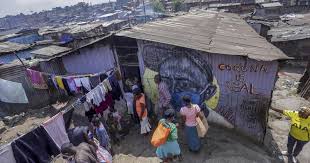
Urban Safety Nets and Poverty Reduction in Slums is a critical and increasingly urgent area of intervention that addresses the unique challenges of poverty, vulnerability, and exclusion faced by populations living in urban informal settlements. Rapid urbanization, coupled with limited access to formal social protection, often leaves slum dwellers highly exposed to economic shocks, health crises, and environmental hazards. This course explores how social protection instruments, such as cash transfers, public works, and social services, can be strategically designed, adapted, and implemented in complex urban environments to build resilience, reduce poverty, and foster greater inclusion for slum residents. It recognizes that effective urban safety nets are essential for promoting equitable urban development and achieving sustainable poverty reduction in a rapidly urbanizing world.
Training Course on Urban Safety Nets and Poverty Reduction in Slums is meticulously designed to equip with the advanced theoretical insights and intensive practical tools necessary to excel in Urban Safety Nets and Poverty Reduction in Slums. We will delve into the foundational concepts of urban poverty and informal settlements, master the intricacies of designing social protection programs tailored to urban contexts, and explore cutting-edge approaches to targeting, digital payments, and linking safety nets with urban services (e.g., housing, water, sanitation, health). A significant focus will be placed on hands-on application, analyzing real-world complex case studies, and developing tailored program designs that foster holistic well-being and greater resilience in urban slums. By integrating industry best practices, analyzing complex case studies, and engaging in intensive practical exercises, attendees will develop the strategic acumen to confidently lead and implement effective urban safety net initiatives, fostering unparalleled urban resilience, poverty reduction, and social inclusion.
Course Objectives
Upon completion of this course, participants will be able to:
- Analyze the fundamental concepts of urban poverty and vulnerability in informal settlements (slums).
- Comprehend the strategic role of urban safety nets in reducing poverty and building resilience in slums.
- Master the design of cash transfer programs adapted to urban contexts and digital payment solutions.
- Develop expertise in leveraging urban public works programs for employment and infrastructure development.
- Formulate strategies for linking urban safety nets with access to basic urban services (water, sanitation, housing).
- Understand the critical role of social registries and targeting mechanisms for urban informal populations.
- Implement robust approaches to providing shock-responsive social protection in urban crises.
- Explore key strategies for multi-sectoral coordination between social protection and urban development sectors.
- Apply methodologies for conducting urban vulnerability and needs assessments in slums.
- Understand and address gender, youth, and migration considerations in urban safety net design.
- Develop preliminary skills in monitoring and evaluating urban safety net outcomes in slum contexts.
- Design a comprehensive urban safety net program addressing poverty and vulnerability in slums.
- Examine global best practices and lessons learned in urban social protection.
Target Audience
This course is essential for professionals involved in urban development, social protection, and humanitarian response:
- Social Protection Policymakers & Program Managers: Designing and overseeing social safety nets.
- Urban Planners & Local Government Officials: Working on urban development and service delivery.
- Humanitarian Actors: Responding to crises in urban settings.
- Economists & Development Practitioners: Focused on urban poverty and inequality.
- Government Officials: From ministries of social welfare, urban development, and housing.
- NGO & International Organization Staff: Implementing programs in urban informal settlements.
- Researchers: Studying urban poverty and social policy.
- Community Development Specialists: Working with slum communities.
Course Duration: 10 Days
Course Modules
Module 1: Foundations of Urban Poverty and Vulnerability in Slums
- Define urban poverty and its unique characteristics (e.g., high cost of living, informal employment, limited social networks).
- Understand the dynamics of urban informal settlements (slums): challenges and opportunities.
- Discuss the multi-dimensional nature of vulnerability in urban contexts (e.g., economic, health, environmental).
- Explore the impacts of rapid urbanization on social protection needs.
- Identify key challenges faced by slum dwellers in accessing social protection.
Module 2: Strategic Role of Urban Safety Nets
- Comprehend the strategic role of urban safety nets in reducing poverty and building resilience in slums.
- Discuss how safety nets address income poverty, food insecurity, and health shocks in urban areas.
- Understand the pathways from urban safety nets to improved living conditions and social inclusion.
- Explore the "urban dividend" of investing in social protection in cities.
- Identify different social protection instruments relevant to urban contexts.
Module 3: Cash Transfer Programs for Urban Contexts
- Master the design of cash transfer programs adapted to urban environments.
- Learn about appropriate transfer values, frequency, and payment modalities for urban costs of living.
- Discuss the role of digital payment solutions (e.g., mobile money) in urban settings.
- Explore strategies for reaching the mobile and often undocumented urban poor.
- Analyze case studies of urban cash transfer programs.
Module 4: Urban Public Works Programs
- Develop expertise in leveraging urban public works programs for employment and infrastructure.
- Understand how urban public works can provide temporary income and build community assets (e.g., drainage, pathways).
- Discuss linking public works participants to skills training and urban labor markets.
- Explore the design of public works to address urban environmental challenges.
- Analyze case studies of urban public works fostering poverty reduction.
Module 5: Linking Urban Safety Nets to Basic Urban Services
- Formulate strategies for linking urban safety nets with access to basic urban services.
- Learn about connecting beneficiaries to water, sanitation, electricity, and waste management.
- Discuss the role of social protection in enabling access to affordable housing.
- Explore conditionalities or incentives linked to service utilization.
- Analyze examples of integrated urban safety net and service delivery programs.
Module 6: Social Registries and Targeting in Urban Informal Settings
- Understand the critical role of social registries and targeting mechanisms for urban informal populations.
- Discuss challenges in identifying and registering the urban poor (e.g., lack of addresses, mobility).
- Learn about proxy means tests, geographic targeting, and community-based targeting in urban areas.
- Explore the use of big data and geospatial information for urban targeting.
- Analyze case studies of urban targeting innovations.
Module 7: Shock-Responsive Social Protection in Urban Crises
- Implement robust approaches to providing shock-responsive social protection in urban crises.
- Learn about adapting safety nets to respond to economic shocks, pandemics, and natural disasters.
- Discuss rapid scaling-up mechanisms and flexible delivery.
- Explore the role of urban safety nets in humanitarian response.
- Analyze case studies of shock-responsive social protection in urban settings.
Module 8: Multi-Sectoral Coordination for Urban Social Protection
- Explore key strategies for multi-sectoral coordination in urban social protection.
- Discuss mechanisms for collaboration between social welfare, urban development, health, and education.
- Learn about harmonizing program objectives, targeting, and data sharing.
- Understand the importance of local government engagement and leadership.
- Analyze successful models of multi-sectoral urban social protection partnerships.
Module 9: Urban Vulnerability and Needs Assessments
- Apply methodologies for conducting urban vulnerability and needs assessments in slums.
- Learn to use participatory tools and rapid assessment methods in urban informal settings.
- Discuss how assessment findings inform program design and adaptation.
- Explore methods for identifying specific deprivations and risks in urban slums.
- Practice designing an urban needs assessment.
Module 10: Gender, Youth, and Migration in Urban Safety Nets
- Understand and address gender, youth, and migration considerations in urban safety net design.
- Discuss how urban safety nets can empower women and youth in informal economies.
- Explore strategies for supporting migrant and displaced populations in urban areas.
- Learn about inclusive approaches to program access and benefits.
- Analyze case studies focusing on gender, youth, and migration in urban social protection.
Module 11: Monitoring and Evaluating Urban Safety Net Outcomes
- Develop preliminary skills in monitoring and evaluating urban safety net outcomes.
- Learn to select appropriate indicators for tracking changes in urban poverty, resilience, and access to services.
- Discuss methods for collecting data in challenging urban informal environments.
- Explore challenges in attribution and long-term impact measurement.
- Practice designing an M&E framework for an urban safety net program.
Module 12: Designing Comprehensive Urban Safety Net Programs
- Design a comprehensive urban safety net program addressing poverty and vulnerability in slums.
- Integrate social protection instruments with complementary urban development interventions.
- Present the integrated program design and rationale.
- Examine global best practices and lessons learned in urban social protection.
- Collaborate on a group project to design an innovative urban safety net program.
Training Methodology
- Interactive Workshops: Facilitated discussions, group exercises, and problem-solving activities.
- Case Studies: Real-world examples to illustrate successful community-based surveillance practices.
- Role-Playing and Simulations: Practice engaging communities in surveillance activities.
- Expert Presentations: Insights from experienced public health professionals and community leaders.
- Group Projects: Collaborative development of community surveillance plans.
- Action Planning: Development of personalized action plans for implementing community-based surveillance.
- Digital Tools and Resources: Utilization of online platforms for collaboration and learning.
- Peer-to-Peer Learning: Sharing experiences and insights on community engagement.
- Post-Training Support: Access to online forums, mentorship, and continued learning resources.
Register as a group from 3 participants for a Discount
Send us an email: info@datastatresearch.org or call +254724527104
Certification
Upon successful completion of this training, participants will be issued with a globally recognized certificate.
Tailor-Made Course
We also offer tailor-made courses based on your needs.
Key Notes
- Participants must be conversant in English.
- Upon completion of training, participants will receive an Authorized Training Certificate.
- The course duration is flexible and can be modified to fit any number of days.
- Course fee includes facilitation, training materials, 2 coffee breaks, buffet lunch, and a Certificate upon successful completion.
- One-year post-training support, consultation, and coaching provided after the course.