Training course on Advanced Culinary Techniques (Modern European)
Training Course on Advanced Culinary Techniques (Modern European) is meticulously designed to equip aspiring and current professional chefs, culinary artists, and serious food enthusiasts with the advanced theoretical insights and intensive practical skills necessary to excel in Advanced Culinary Techniques (Modern European).
Course Overview
Training Course on Advanced Culinary Techniques (Modern European)
Introduction
In the dynamic and evolving world of fine dining, Modern European Cuisine stands as a beacon of innovation, blending traditional culinary mastery with contemporary creativity, scientific precision, and a global pantry. This advanced culinary discipline moves beyond classic recipes, emphasizing cutting-edge techniques, refined presentation, and an innovative approach to flavor profiles. Mastering Advanced Culinary Techniques (Modern European) is essential for chefs and aspiring culinary artists who seek to elevate their craft, create extraordinary dining experiences, and excel in the upper echelons of the gastronomic world. It involves a deep understanding of molecular gastronomy principles, sous-vide precision, artistic plating, and the strategic integration of global ingredients and influences. In an industry driven by constant evolution and discerning palates, a chef's ability to innovate, control complex processes, and consistently deliver exquisite dishes is paramount. Failure to embrace these advanced techniques can lead to stagnation, inability to meet modern guest expectations, and a reactive posture in a culinary landscape that rewards pioneering creativity.
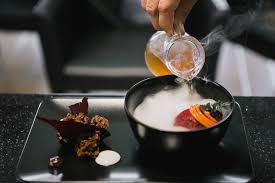
Training Course on Advanced Culinary Techniques (Modern European) is meticulously designed to equip aspiring and current professional chefs, culinary artists, and serious food enthusiasts with the advanced theoretical insights and intensive practical skills necessary to excel in Advanced Culinary Techniques (Modern European). We will delve into sophisticated methodologies for molecular gastronomy, precision cooking with sous-vide and immersion circulators, and the art of modern plating and presentation. A significant focus will be placed on understanding advanced protein cookery, innovative vegetable preparations, and crafting complex sauces and emulsions. Furthermore, the course will cover essential aspects of utilizing specialized equipment, developing creative flavor combinations, and integrating sustainability principles into high-end cuisine. By combining hands-on practice, expert demonstrations, and discussions of cutting-edge culinary trends, attendees will develop the strategic acumen to create visually stunning and exquisitely flavored dishes, foster unparalleled culinary innovation, and position themselves as leaders in the competitive world of Modern European Gastronomy.
Course Objectives
Upon completion of this course, participants will be able to:
- Analyze the philosophy and defining characteristics of Modern European Cuisine.
- Master advanced techniques for protein cookery across various categories (meat, poultry, fish).
- Implement precision cooking methods, including sous-vide and low-temperature cooking.
- Apply principles of molecular gastronomy for innovative textures and presentations.
- Develop highly refined sauces, emulsions, and gels using modern techniques.
- Execute artistic modern plating and presentation skills for fine dining.
- Explore innovative vegetable preparations and plant-based culinary techniques.
- Understand the application of specialized kitchen equipment for advanced techniques.
- Develop creative flavor combinations and pairings inspired by global influences.
- Integrate sustainability and conscious sourcing into modern culinary practice.
- Manage quality control and consistency in advanced food production.
- Design and execute a multi-course tasting menu showcasing Advanced Culinary Techniques.
- Position themselves as innovative and highly skilled culinary professionals in the Modern European style.
Target Audience
This course is designed for culinary professionals and serious enthusiasts seeking to elevate their cooking skills to a high level:
- Professional Chefs (Chef de Partie, Sous Chefs): Aiming to advance their techniques and culinary repertoire.
- Executive Chefs: Seeking to update their knowledge on modern trends and innovations.
- Culinary School Graduates: Looking for specialized training beyond foundational skills.
- Restaurant Owners/Operators: Interested in bringing cutting-edge culinary concepts to their establishments.
- Catering Chefs: Managing high-end event menus.
- Serious Home Cooks/Enthusiasts: With a strong foundational cooking background.
- Food & Beverage Directors: Seeking to understand advanced culinary operations.
- Culinary Instructors: Looking to enhance their teaching curriculum.
Course Duration: 10 Days
Course Modules
Module 1: Foundations of Modern European Cuisine
- Evolution of European Cuisine: From Classical to Contemporary.
- Philosophy of Modern European Cooking: Purity of Flavor, Texture, Presentation.
- Key Ingredients and Their Role in Modern European Dishes.
- Understanding Terroir and Regional Influences.
- The Importance of Seasonality and Product Sourcing.
Module 2: Advanced Protein Cookery: Meats
- Precision Cooking Techniques for Red Meats (Beef, Lamb, Pork): Roasting, Pan-Searing, Braising.
- Reverse Searing, Low-Temperature Roasting, and Confit Methods.
- Perfecting Doneness and Resting Protocols.
- Utilizing Different Cuts and Offal in Modern Applications.
- Flavor Enhancement: Marinating, Brining, Curing.
Module 3: Advanced Protein Cookery: Poultry and Game
- Sous-Vide and Precision Poaching for Poultry.
- Perfecting Crispy Skin and Moist Breast Meat.
- Working with Game Birds (Duck, Quail, Pigeon): Roasting, Confit.
- Fabricating and Utilizing All Parts of the Bird.
- Complementary Flavor Profiles for Poultry and Game.
Module 4: Advanced Protein Cookery: Fish and Seafood
- Low-Temperature Poaching and Confit for Delicate Fish.
- Perfecting Pan-Seared Fish and Crispy Skin.
- Techniques for Cooking Shellfish (Scallops, Prawns, Lobster).
- Curing and Smoking Fish for Modern Applications.
- Ensuring Sustainable Sourcing of Seafood.
Module 5: Precision Cooking Methods: Sous-Vide and Beyond
- In-depth Theory and Practice of Sous-Vide Cooking: Temperature Control, Vacuum Sealing.
- Benefits of Sous-Vide: Consistency, Texture, Infusion.
- Combining Sous-Vide with Other Techniques (e.g., Searing, Smoking).
- Overview of Other Precision Cooking Methods: Immersion Circulators, Combi Ovens.
- Safety and HACCP Considerations for Low-Temperature Cooking.
Module 6: Molecular Gastronomy and Hydrocolloids
- Introduction to Molecular Gastronomy Concepts.
- Understanding Hydrocolloids: Gums, Lecithins, Starches.
- Techniques: Spherification (Basic and Reverse), Gels, Foams, Emulsions, Suspensions.
- Creating Novel Textures and Sensory Experiences.
- Safe Handling and Application of Molecular Ingredients.
Module 7: Advanced Sauce Making and Emulsions
- Building Complex Flavor Foundations for Modern Sauces.
- Refined Stock and Demi-Glace Production.
- Aerated Sauces, Foams, and Espumas.
- Stable Emulsions: Mayonnaise, Vinaigrettes, Butters.
- Infusions and Reductions for Intense Flavors.
Module 8: Innovative Vegetable Preparations and Plant-Based Cuisine
- Elevating Vegetables to Main Course Status.
- Modern Techniques for Preparing Vegetables: Charring, Pickling, Fermenting, Confit.
- Textural Contrasts and Flavor Enhancement in Vegetable Dishes.
- Exploring Plant-Based Proteins and Alternatives.
- Integrating Global Vegetable Preparations into Modern European Style.
Module 9: Modern Plating and Presentation
- Principles of Artistic Plating: Balance, Harmony, Contrast, Flow.
- Utilizing Color, Shape, and Texture for Visual Appeal.
- Tools and Techniques for Precise Plating (Squeeze Bottles, Tweezers).
- The Art of Garnishing and Micro-Greens.
- Developing a Signature Plating Style.
Module 10: Specialized Kitchen Equipment and Techniques
- Mastering Combi Ovens for Multi-Functional Cooking.
- Using Blast Chillers and Vacuum Sealers.
- Pacojet for Frozen Creations (Ice Creams, Sorbets, Foams).
- Immersion Blenders, Centrifuges, and Rotary Evaporators (overview).
- Safety and Maintenance of Advanced Kitchen Equipment.
Module 11: Creative Flavor Combinations and Menu Development
- Developing a Personal Culinary Philosophy and Style.
- Exploring Unusual and Unexpected Flavor Pairings.
- Integrating Global Ingredients and Techniques into European Cuisine.
- Designing a Multi-Course Tasting Menu with a Narrative.
- Managing Creativity within Operational Constraints.
Module 12: Culinary Trends, Sustainability, and the Future of Fine Dining
- Current and Emerging Trends in Modern European Cuisine.
- The Importance of Sustainable Sourcing and Reducing Food Waste.
- Farm-to-Table, Nose-to-Tail, and Root-to-Leaf Philosophies.
- Ethical Sourcing and Animal Welfare Considerations.
- The Future of Fine Dining: Experiential, Responsible, and Personalized.
Training Methodology
- Interactive Workshops: Facilitated discussions, group exercises, and problem-solving activities.
- Case Studies: Real-world examples to illustrate successful community-based surveillance practices.
- Role-Playing and Simulations: Practice engaging communities in surveillance activities.
- Expert Presentations: Insights from experienced public health professionals and community leaders.
- Group Projects: Collaborative development of community surveillance plans.
- Action Planning: Development of personalized action plans for implementing community-based surveillance.
- Digital Tools and Resources: Utilization of online platforms for collaboration and learning.
- Peer-to-Peer Learning: Sharing experiences and insights on community engagement.
- Post-Training Support: Access to online forums, mentorship, and continued learning resources.
Register as a group from 3 participants for a Discount
Send us an email: info@datastatresearch.org or call +254724527104
Certification
Upon successful completion of this training, participants will be issued with a globally recognized certificate.
Tailor-Made Course
We also offer tailor-made courses based on your needs.
Key Notes
- Participants must be conversant in English.
- Upon completion of training, participants will receive an Authorized Training Certificate.
- The course duration is flexible and can be modified to fit any number of days.
- Course fee includes facilitation, training materials, 2 coffee breaks, buffet lunch, and a Certificate upon successful completion.
- One-year post-training support, consultation, and coaching provided after the course.
- Payment should be made at least a week before the training commencement to DATASTAT CONSULTANCY LTD account, as indicated in the invoice, to enable better preparation.