Meat Science and Advanced Meat Processing Training Course
Advanced Thermal Process Calculation for Low-Acid Foods Training Course integrates modern food engineering principles, process optimization tools, and safety protocols to build technical expertise in sterilization, heat transfer, and process validation for low-acid foods.
Skills Covered
Course Overview
Meat Science and Advanced Meat Processing Training Course
Introduction
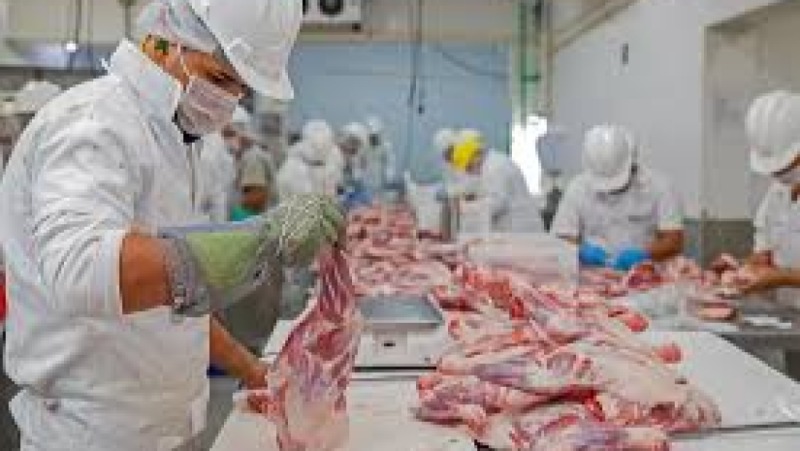
Meat Science and Advanced Meat Processing Training Course is designed to equip professionals with comprehensive knowledge and hands-on skills in meat production, processing, preservation, and quality assurance. This intensive program integrates the latest trends and innovations in meat science, including sustainable processing methods, modern packaging technologies, food safety standards, and advanced processing equipment. Participants will gain the expertise to enhance productivity, ensure product safety, and maintain high-quality meat products aligned with global market demands.
This course emphasizes both theoretical and practical learning, empowering participants to understand the biochemical, microbiological, and technological aspects of meat processing. Through case studies, interactive sessions, and real-world applications, trainees will explore carcass evaluation, meat curing, smoking, refrigeration, and modern processing innovations such as automation and waste reduction techniques. By the end of the training, learners will have developed critical problem-solving skills to improve efficiency and profitability in meat production operations.
Course Objectives
- Understand the fundamentals of meat science and muscle biology.
- Analyze the biochemical and microbiological changes during meat processing.
- Apply food safety and hygiene principles in meat production.
- Explore advanced meat preservation and storage technologies.
- Gain hands-on skills in cutting, deboning, and trimming techniques.
- Learn modern meat curing, smoking, and marination methods.
- Utilize automation and digital technologies in meat processing plants.
- Assess meat quality using scientific and sensory evaluation tools.
- Implement quality control measures for meat and meat products.
- Understand global standards and certification requirements in meat processing.
- Develop strategies for sustainable and eco-friendly meat production.
- Analyze case studies on successful meat processing industries.
- Enhance leadership and management skills for meat processing operations.
Organizational Benefits
ΓÇó Improved operational efficiency and reduced production losses.
ΓÇó Enhanced compliance with international food safety standards.
ΓÇó Strengthened workforce technical capacity in meat processing.
ΓÇó Increased productivity and profitability through process optimization.
ΓÇó Better waste management and sustainability practices.
ΓÇó Improved product quality and consumer satisfaction.
ΓÇó Strengthened brand reputation through adherence to global standards.
ΓÇó Advanced innovation and technology adoption in production.
ΓÇó Streamlined quality assurance and control mechanisms.
ΓÇó Greater competitiveness in the meat processing industry.
Target Audiences
ΓÇó Meat processing plant managers
ΓÇó Quality assurance and food safety officers
ΓÇó Butchers and meat technologists
ΓÇó Livestock production officers
ΓÇó Food processing engineers
ΓÇó Cold storage and packaging specialists
ΓÇó Agricultural extension officers
ΓÇó Research and development personnel
Course Duration: 10 days
Course Modules
Module 1: Introduction to Meat Science
ΓÇó Overview of meat science and its industrial relevance
ΓÇó Composition and structure of muscle tissues
ΓÇó Factors influencing meat quality and yield
ΓÇó Importance of food safety and hygiene in meat production
ΓÇó Practical demonstration on carcass evaluation
ΓÇó Case Study: Understanding meat quality grading in commercial slaughterhouses
Module 2: Meat Microbiology and Food Safety
ΓÇó Microbial spoilage and contamination sources
ΓÇó Pathogen detection and control in meat products
ΓÇó HACCP and GMP applications in meat processing
ΓÇó Sanitation and hygiene management in facilities
ΓÇó Risk assessment and traceability systems
ΓÇó Case Study: Managing microbial outbreaks in processing plants
Module 3: Meat Processing Technologies
ΓÇó Overview of meat processing equipment and tools
ΓÇó Cutting, deboning, and trimming operations
ΓÇó Automation and robotics in meat processing
ΓÇó Meat grinding, emulsifying, and forming methods
ΓÇó Technological innovations for efficiency improvement
ΓÇó Case Study: Implementing automation in a medium-scale meat factory
Module 4: Meat Preservation and Storage
ΓÇó Chilling, freezing, and refrigeration techniques
ΓÇó Modified atmosphere packaging (MAP)
ΓÇó Use of preservatives and natural antioxidants
ΓÇó Cold chain management and temperature monitoring
ΓÇó Shelf-life extension strategies
ΓÇó Case Study: Cold chain optimization in export meat industries
Module 5: Meat Curing and Smoking
ΓÇó Principles of curing and smoking processes
ΓÇó Use of salt, nitrates, and flavor enhancers
ΓÇó Modern smoking technologies and flavor control
ΓÇó Safety and health implications of curing agents
ΓÇó Quality evaluation of cured meats
ΓÇó Case Study: Production of high-quality smoked meats for retail markets
Module 6: Advanced Marination and Tenderization Techniques
ΓÇó Enzymatic and mechanical tenderization
ΓÇó Vacuum tumbling and injection systems
ΓÇó Flavor infusion and texture enhancement
ΓÇó Role of marinades in product differentiation
ΓÇó Optimization of marination processes
ΓÇó Case Study: Development of value-added marinated meat products
Module 7: Meat Quality Evaluation and Control
ΓÇó Sensory, physical, and chemical evaluation of meat
ΓÇó Color, texture, and flavor measurement techniques
ΓÇó Instrumental methods for quality control
ΓÇó Implementation of ISO and Codex standards
ΓÇó Data interpretation for product improvement
ΓÇó Case Study: Quality assurance practices in premium meat production
Module 8: Packaging and Labeling Technologies
ΓÇó Packaging materials and sustainability trends
ΓÇó Smart and active packaging innovations
ΓÇó Labeling regulations and traceability systems
ΓÇó Consumer perception and market preferences
ΓÇó Eco-friendly packaging solutions
ΓÇó Case Study: Redesigning meat packaging for export compliance
Module 9: By-Product Utilization and Waste Management
ΓÇó Value addition from animal by-products
ΓÇó Rendering and processing of secondary products
ΓÇó Environmental management in processing plants
ΓÇó Circular economy and resource efficiency
ΓÇó Waste minimization strategies
ΓÇó Case Study: Sustainable waste management in slaughter facilities
Module 10: Refrigeration and Cold Chain Management
ΓÇó Cold storage design and operation
ΓÇó Temperature and humidity control systems
ΓÇó Monitoring technologies and data logging
ΓÇó Energy-efficient refrigeration practices
ΓÇó Maintenance and troubleshooting techniques
ΓÇó Case Study: Cold chain logistics for meat export supply chains
Module 11: Meat Plant Design and Layout
ΓÇó Principles of efficient plant design
ΓÇó Workflow optimization and equipment arrangement
ΓÇó Hygiene zoning and contamination control
ΓÇó Regulatory compliance in plant construction
ΓÇó Safety and ergonomic considerations
ΓÇó Case Study: Designing a compliant modern meat processing plant
Module 12: Meat Product Innovation and Development
ΓÇó Product design and sensory innovation
ΓÇó New product formulation and testing
ΓÇó Consumer-driven market research
ΓÇó Nutritional improvement of meat products
ΓÇó Launching and scaling new products
ΓÇó Case Study: Developing a new line of healthy meat snacks
Module 13: Regulatory and Certification Standards
ΓÇó Global meat processing standards (ISO, HACCP, FSSC)
ΓÇó National and international certification processes
ΓÇó Regulatory frameworks for meat exports
ΓÇó Labeling, documentation, and audits
ΓÇó Compliance monitoring and renewal processes
ΓÇó Case Study: Achieving HACCP certification in a processing firm
Module 14: Leadership and Team Management in Processing Plants
ΓÇó Communication and leadership in production environments
ΓÇó Team motivation and capacity building
ΓÇó Conflict management and problem-solving
ΓÇó Time management and productivity enhancement
ΓÇó Workplace safety and welfare improvement
ΓÇó Case Study: Transforming team performance in a meat processing unit
Module 15: Practical Training and Industrial Visit
ΓÇó Hands-on training in processing techniques
ΓÇó Application of learned quality control skills
ΓÇó Interaction with industry professionals
ΓÇó Field observation and report preparation
ΓÇó Industrial exposure to best practices
ΓÇó Case Study: Real-life operations in a certified meat processing facility
Training Methodology
ΓÇó Instructor-led classroom sessions with multimedia presentations
ΓÇó Practical demonstrations in meat processing facilities
ΓÇó Group discussions and collaborative workshops
ΓÇó Case studies and problem-based learning exercises
ΓÇó Industrial visits and experiential learning sessions
Register as a group from 3 participants for a Discount
Send us an email: info@datastatresearch.org or call +254724527104
Certification
Upon successful completion of this training, participants will be issued with a globally- recognized certificate.
Tailor-Made Course
We also offer tailor-made courses based on your needs.
Key Notes
a. The participant must be conversant with English.
b. Upon completion of training the participant will be issued with an Authorized Training Certificate
c. Course duration is flexible and the contents can be modified to fit any number of days.
d. The course fee includes facilitation training materials, 2 coffee breaks, buffet lunch and A Certificate upon successful completion of Training.
e. One-year post-training support Consultation and Coaching provided after the course.
f. Payment should be done at least a week before commence of the training, to DATASTAT CONSULTANCY LTD account, as indicated in the invoice so as to enable us prepare better for you.