Urban Displacement in African Cities Training Course
Urban Displacement in African Cities Training Course is designed to equip participants with cutting-edge knowledge, research-based methodologies, and real-world tools to respond effectively to urban displacement challenges.
Course Overview
Urban Displacement in African Cities Training Course
Introduction
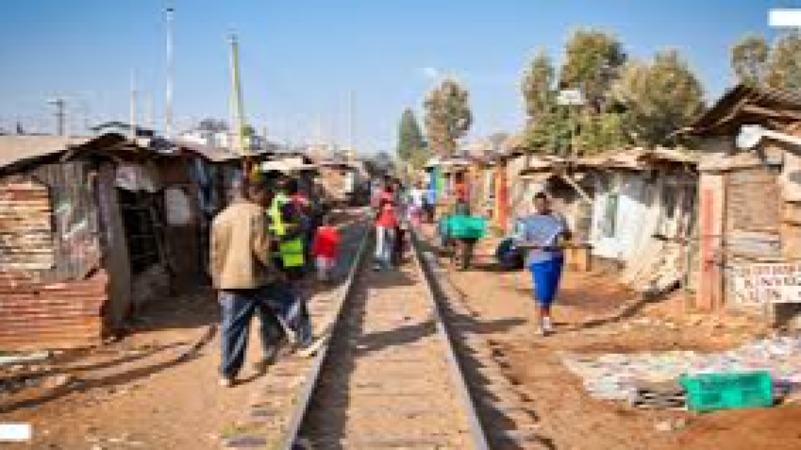
Urban displacement has become one of the most pressing challenges facing African cities in the 21st century. Rapid urbanization, climate change, economic pressures, and conflicts are driving significant population movements within urban areas, often resulting in informal settlements, overcrowded neighborhoods, and socio-economic inequalities. Understanding the dynamics of urban displacement is critical for city planners, policy makers, social workers, and development practitioners who seek to create sustainable, resilient, and inclusive urban environments. This training course provides participants with a comprehensive framework for analyzing, managing, and mitigating the impacts of urban displacement, leveraging practical case studies and actionable strategies.
Urban Displacement in African Cities Training Course is designed to equip participants with cutting-edge knowledge, research-based methodologies, and real-world tools to respond effectively to urban displacement challenges. Participants will explore the legal, social, economic, and environmental dimensions of displacement, while examining the roles of government agencies, civil society organizations, and community stakeholders in fostering urban resilience. By the end of the course, learners will be capable of designing context-specific interventions, implementing data-driven policies, and promoting equitable urban development that safeguards vulnerable populations.
Course Objectives
- Understand the root causes and drivers of urban displacement in African cities.
- Analyze socio-economic impacts of displacement on vulnerable populations.
- Assess legal frameworks and policy interventions addressing urban displacement.
- Identify climate change and environmental factors contributing to displacement.
- Explore urban planning strategies for inclusive city development.
- Examine the role of civil society and community-based organizations.
- Develop data-driven approaches for monitoring displacement patterns.
- Apply risk assessment tools for urban development projects.
- Design sustainable housing solutions for displaced populations.
- Evaluate conflict-sensitive approaches to urban governance.
- Foster public-private partnerships for resilient urban infrastructure.
- Utilize GIS mapping and spatial analysis for urban displacement planning.
- Implement advocacy strategies to promote social equity and policy reform.
Organizational Benefits
- Improved capacity to manage urban displacement issues effectively.
- Enhanced organizational reputation in sustainable urban development.
- Data-driven decision-making for city planning and governance.
- Stronger collaboration with governmental and non-governmental stakeholders.
- Improved resilience against climate-related urban challenges.
- Better identification of vulnerable groups and targeted interventions.
- Enhanced skills in conflict-sensitive urban planning.
- Access to innovative tools for monitoring urban displacement.
- Increased employee knowledge of legal and policy frameworks.
- Strengthened community engagement and participatory planning.
Target Audiences
- Urban planners and city managers
- Policy makers and government officials
- Social development practitioners
- Non-governmental organization (NGO) staff
- Community leaders and activists
- Researchers and academics in urban studies
- Environmental and climate change specialists
- Housing and infrastructure professionals
Course Duration: 5 days
Course Modules
Module 1: Introduction to Urban Displacement
- Overview of urban displacement trends in African cities
- Key drivers: economic, social, political, and environmental
- Historical context and case studies
- Social and cultural impacts of displacement
- Urban resilience and adaptation strategies
- Case Study: Displacement patterns in Lagos, Nigeria
Module 2: Legal and Policy Frameworks
- National and regional legislation on urban displacement
- International conventions and agreements
- Urban governance structures and roles
- Policy gaps and challenges in African cities
- Rights-based approaches to displacement management
- Case Study: Policy interventions in Nairobi, Kenya
Module 3: Socio-Economic Impacts
- Economic vulnerabilities of displaced populations
- Social exclusion and inequality
- Health and education impacts
- Livelihood disruptions and coping strategies
- Poverty alleviation measures
- Case Study: Socio-economic effects in Cape Town, South Africa
Module 4: Climate Change and Environmental Factors
- Climate-induced displacement drivers
- Environmental degradation and urban pressures
- Flooding, droughts, and natural disasters
- Climate adaptation policies for cities
- Urban ecosystem management
- Case Study: Flood displacement in Accra, Ghana
Module 5: Urban Planning and Inclusive Development
- Principles of inclusive urban planning
- Housing policies and urban design solutions
- Infrastructure development for displaced populations
- Land tenure and property rights challenges
- Participatory planning and community engagement
- Case Study: Urban regeneration in Kigali, Rwanda
Module 6: Role of Civil Society and Community Organizations
- Community-based initiatives and advocacy
- Social networks and informal support systems
- NGO interventions and program design
- Capacity-building for community resilience
- Partnership models with local authorities
- Case Study: Civil society interventions in Dar es Salaam, Tanzania
Module 7: Data and Monitoring Tools
- GIS and spatial analysis for displacement mapping
- Surveys, census, and household data collection
- Monitoring and evaluation frameworks
- Data visualization and reporting techniques
- Technology-driven solutions for urban planning
- Case Study: GIS application in Addis Ababa, Ethiopia
Module 8: Designing Interventions and Advocacy Strategies
- Evidence-based intervention planning
- Conflict-sensitive urban governance approaches
- Public-private partnerships for sustainable development
- Advocacy and policy reform strategies
- Program evaluation and impact assessment
- Case Study: Advocacy strategies in Johannesburg, South Africa
Training Methodology
- Interactive lectures and presentations on core concepts
- Group discussions and knowledge-sharing exercises
- Case study analysis from multiple African cities
- Practical exercises and scenario-based learning
- Hands-on use of GIS and data visualization tools
- Role plays and stakeholder engagement simulations
Register as a group from 3 participants for a Discount
Send us an email: info@datastatresearch.org or call +254724527104
Certification
Upon successful completion of this training, participants will be issued with a globally- recognized certificate.
Tailor-Made Course
We also offer tailor-made courses based on your needs.
Key Notes
a. The participant must be conversant with English.
b. Upon completion of training the participant will be issued with an Authorized Training Certificate
c. Course duration is flexible and the contents can be modified to fit any number of days.
d. The course fee includes facilitation training materials, 2 coffee breaks, buffet lunch and A Certificate upon successful completion of Training.
e. One-year post-training support Consultation and Coaching provided after the course.
f. Payment should be done at least a week before commence of the training, to DATASTAT CONSULTANCY LTD account, as indicated in the invoice so as to enable us prepare better for you.