Training Course on Transforming Organizational Culture
Training Course on Transforming Organizational Culture delves into the core principles of organizational culture change, equipping participants with the knowledge and tools to diagnose their current culture, define a desired future state, and implement a strategic roadmap for successful transformation.
Course Overview
Training Course on Transforming Organizational Culture
Introduction
Organizational culture, the bedrock of any thriving enterprise, significantly influences employee engagement, innovation, and overall performance. A positive and adaptive organizational culture fosters a sense of belonging, encourages collaboration, and drives the achievement of strategic goals. In today's rapidly evolving business landscape, cultivating a high-performance organizational culture is not merely an option but a necessity for sustained competitive advantage. This training course provides a comprehensive framework and actionable strategies to effectively transform your organization's culture, leading to enhanced productivity, improved employee retention, and a stronger market position. By understanding the key elements of cultural transformation and implementing proven methodologies, your organization can unlock its full potential and navigate future challenges with resilience and agility.
This intensive training program delves into the core principles of organizational culture change, equipping participants with the knowledge and tools to diagnose their current culture, define a desired future state, and implement a strategic roadmap for successful transformation. Participants will learn to identify cultural barriers to success, leverage leadership alignment for impactful change, and foster a culture of continuous improvement and employee empowerment. Through practical exercises, real-world case studies, and interactive discussions, attendees will gain the confidence and expertise to champion cultural transformation initiatives within their organizations, ultimately creating a more engaged, innovative, and high-performing workforce.
Course Duration
10 days
Course Objectives:
- Define Organizational Culture: Understand the fundamental concepts and various dimensions of organizational culture and its impact on business outcomes.
- Diagnose Current Culture: Learn effective methods for cultural assessment and identifying the strengths and weaknesses of your organization's existing culture.
- Identify Cultural Archetypes: Recognize different organizational culture types and their implications for organizational effectiveness.
- Establish a Desired Future Culture: Define a clear and compelling vision for the target organizational culture aligned with strategic objectives.
- Develop a Cultural Transformation Strategy: Create a practical and actionable culture change management plan with key milestones and responsibilities.
- Foster Leadership Alignment: Understand the critical role of leadership in culture change and strategies for engaging and aligning leaders.
- Communicate the Vision Effectively: Learn effective internal communication strategies to articulate the need for change and the desired future culture.
- Engage Employees in the Process: Implement techniques for employee involvement and participation in the cultural transformation journey.
- Address Cultural Resistance: Identify potential sources of resistance to change and develop strategies to mitigate their impact.
- Implement Cultural Change Initiatives: Learn practical tools and frameworks for implementing specific culture change programs and interventions.
- Measure and Evaluate Progress: Establish key metrics for measuring cultural change and tracking the effectiveness of transformation efforts.
- Sustain the New Culture: Develop strategies for embedding the desired culture into organizational processes and ensuring long-term cultural sustainability.
- Promote a Culture of Continuous Improvement: Foster a mindset of ongoing cultural evolution and adaptation to future challenges.
Organizational Benefits
- Increased employee engagement and motivation
- Improved collaboration and teamwork
- Enhanced innovation and creativity
- Higher levels of customer satisfaction
- Reduced employee turnover and improved retention
- Stronger organizational agility and adaptability
- Enhanced brand reputation and employer branding
- Improved financial performance and profitability
- Greater efficiency and productivity
- More effective communication across all levels
- Stronger ethical values and corporate social responsibility
- Improved problem-solving and decision-making
- Enhanced organizational learning and knowledge sharing
Target Audience:
- Senior Leaders (CEOs, Presidents, VPs): Responsible for setting the strategic direction and championing cultural change initiatives.
- Human Resources Professionals (HR Directors, HR Managers): Leading the development and implementation of culture-related programs.
- Change Management Practitioners: Professionals focused on facilitating organizational transitions and transformations.
- Department Heads and Managers: Accountable for fostering the desired culture within their respective teams.
- Organizational Development Specialists: Experts in improving organizational effectiveness and culture.
- Team Leaders and Supervisors: Playing a crucial role in modeling and reinforcing the desired cultural norms.
- Project Managers: Leading initiatives that require cross-functional collaboration and cultural alignment.
- Internal Consultants: Providing expertise and support for organizational change efforts.
Course Outline:
Module 1: Understanding the Fundamentals of Organizational Culture
- Defining organizational culture and its key components (values, beliefs, norms, assumptions).
- Exploring different levels of culture (artifacts, espoused values, basic underlying assumptions).
- Analyzing the impact of culture on organizational performance and success metrics.
- Identifying the forces that shape and influence organizational culture (history, leadership, industry).
- Understanding the relationship between organizational culture and employee behavior.
Module 2: Assessing and Diagnosing Your Current Organizational Culture
- Introduction to various cultural assessment frameworks and models (e.g., Competing Values Framework).
- Utilizing qualitative data collection methods (interviews, focus groups, observations).
- Employing quantitative data collection methods (surveys, questionnaires).
- Analyzing and interpreting cultural assessment data to identify key insights.
- Identifying cultural strengths, weaknesses, and potential areas for improvement.
Module 3: Defining the Desired Future State and Setting Cultural Goals
- Articulating a clear and compelling vision for the desired organizational culture.
- Aligning the desired culture with the organization's strategic objectives and values.
- Setting specific, measurable, achievable, relevant, and time-bound (SMART) cultural goals.
- Involving key stakeholders in the process of defining the future culture.
- Communicating the vision and goals effectively across the organization.
Module 4: Developing a Strategic Roadmap for Cultural Transformation
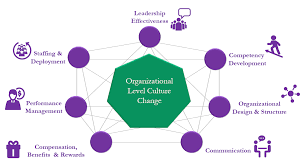
- Identifying key levers for cultural change (leadership, communication, structure, processes, rewards).
- Developing a phased approach to cultural transformation with clear milestones.
- Assigning roles and responsibilities for driving cultural change initiatives.
- Allocating resources and budget for the cultural transformation process.
- Establishing a communication plan to keep stakeholders informed and engaged.
Module 5: The Critical Role of Leadership in Driving Cultural Change
- Understanding different leadership styles and their impact on organizational culture.
- The importance of visible leadership commitment and role modeling.
- Strategies for aligning leadership behaviors with the desired culture.
- Developing leadership capabilities to champion and sustain cultural change.
- Addressing leadership resistance and fostering a unified leadership front.
Module 6: Effective Communication Strategies for Cultural Transformation
- Developing a comprehensive internal communication plan for cultural change.
- Utilizing various communication channels to reach different employee groups.
- Crafting clear, consistent, and compelling messages about the cultural vision.
- Actively listening to employee feedback and addressing concerns.
- Celebrating successes and recognizing individuals who embody the desired culture.
Module 7: Engaging Employees and Building Buy-in for Cultural Change
- Strategies for fostering employee involvement and participation in the transformation process.
- Creating opportunities for dialogue and feedback on cultural change initiatives.
- Empowering employees to become cultural ambassadors and champions.
- Addressing employee concerns and managing expectations during the transition.
- Recognizing and rewarding behaviors that align with the desired culture.
Module 8: Identifying and Overcoming Resistance to Cultural Change
- Understanding the common reasons for resistance to organizational change.
- Identifying potential sources of resistance within the organization.
- Developing strategies for addressing and mitigating resistance effectively.
- Communicating the benefits of the new culture and addressing employee fears.
- Involving resisters in the process to gain their understanding and support.
Module 9: Implementing Key Cultural Change Initiatives and Interventions
- Designing and implementing specific programs to reinforce the desired culture (e.g., training, mentoring).
- Modifying organizational structures and processes to align with the new culture.
- Revising reward and recognition systems to incentivize desired behaviors.
- Leveraging technology and digital tools to support cultural transformation.
- Creating opportunities for cross-functional collaboration and team building.
Module 10: Measuring Progress and Evaluating the Impact of Cultural Change
- Identifying key performance indicators (KPIs) to track the progress of cultural transformation.
- Utilizing various methods for measuring cultural change (surveys, focus groups, performance data).
- Analyzing data to assess the effectiveness of cultural change initiatives.
- Reporting on progress and making necessary adjustments to the transformation plan.
- Celebrating milestones and demonstrating the tangible benefits of the new culture.
Module 11: Embedding and Sustaining the New Organizational Culture
- Integrating the desired culture into core organizational processes and practices.
- Ensuring that new employee onboarding reinforces the desired cultural norms.
- Developing ongoing communication and reinforcement strategies.
- Establishing mechanisms for continuous monitoring and adaptation of the culture.
- Creating a culture of accountability for upholding the desired cultural values.
Module 12: Fostering a Culture of Innovation and Continuous Improvement
- Understanding the link between organizational culture and innovation.
- Creating an environment that encourages experimentation and risk-taking.
- Implementing processes for capturing and implementing new ideas.
- Promoting a mindset of continuous learning and adaptation.
- Building a culture that embraces feedback and strives for ongoing improvement.
Module 13: Navigating Cultural Differences and Promoting Inclusion
- Understanding the importance of diversity and inclusion in a thriving organizational culture.
- Identifying and addressing potential cultural biases and barriers.
- Developing strategies for promoting cross-cultural understanding and collaboration.
- Creating an inclusive environment where all employees feel valued and respected.
- Leveraging the strengths of a diverse workforce to enhance organizational performance.
Module 14: The Role of Technology in Supporting Cultural Transformation
- Utilizing communication and collaboration platforms to foster connection.
- Leveraging learning management systems for culture-related training and development.
- Employing data analytics to track cultural indicators and employee sentiment.
- Using digital tools to facilitate feedback and recognition programs.
- Ensuring that technology implementation aligns with the desired cultural values.
Module 15: Leading with Cultural Intelligence and Adaptability
- Understanding the concept of cultural intelligence (CQ) and its importance for leaders.
- Developing self-awareness of one's own cultural biases and assumptions.
- Learning strategies for adapting leadership style to different cultural contexts.
- Building cross-cultural communication and relationship-building skills.
- Fostering a global mindset and promoting cultural agility within the organization.
Training Methodology:
This training course will employ a blended learning approach incorporating:
- Interactive Lectures: Providing foundational knowledge and key concepts.
- Group Discussions: Facilitating peer learning and sharing of experiences.
- Case Studies: Analyzing real-world examples of successful and unsuccessful cultural transformations.
- Practical Exercises: Applying learned concepts through individual and group activities.
- Role-Playing: Simulating real-life scenarios to practice communication and change management skills.
- Self-Assessment Tools: Enabling participants to reflect on their own leadership style and cultural impact.
- Action Planning: Developing personalized plans for implementing cultural change within their organizations.
- Guest Speaker Sessions (Optional): Featuring insights from experienced culture transformation leaders.
Register as a group from 3 participants for a Discount
Send us an email: info@datastatresearch.org