Training course on The Role of Parliaments in Social Protection Legislation
Training Course on The Role of Parliaments in Social Protection Legislation will equip with the expert knowledge and practical methodologies to understand, enhance, and strategically engage with the parliamentary process to strengthen social protection legislation and oversight.
Course Overview
Training Course on The Role of Parliaments in Social Protection Legislation
Introduction:
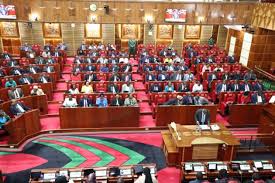
In a democratic governance framework, Parliament serves as the primary legislative body, the voice of the people, and a crucial oversight mechanism for the Executive. Training Course on The Role of Parliaments in Social Protection Legislation will equip with the expert knowledge and practical methodologies to understand, enhance, and strategically engage with the parliamentary process to strengthen social protection legislation and oversight. The program focuses on the legislative process for social protection, parliamentary oversight mechanisms, budget scrutiny, public participation, the role of parliamentary committees, and advocacy strategies for influencing social protection policy, blending rigorous analytical frameworks with practical, hands-on application, global case studies (with a strong emphasis on Kenya's parliamentary practices), and interactive bill drafting and committee hearing simulations. Participants will gain the strategic foresight and technical expertise to confidently navigate and influence the parliamentary landscape, fostering unparalleled transparency, accountability, and responsiveness in national social protection systems, thereby securing their position as indispensable leaders in shaping effective social protection for their constituents.
This comprehensive 5-day program delves into nuanced methodologies for analyzing social protection bills for human rights compliance and fiscal feasibility, mastering sophisticated techniques for conducting effective public hearings to gather diverse stakeholder input, and exploring cutting-edge approaches to leveraging parliamentary questions and motions for oversight, utilizing parliamentary budget offices for independent analysis of social protection spending, engaging with civil society organizations for evidence-based advocacy, and building cross-party consensus on social protection priorities. A significant focus will be placed on understanding the interplay of parliamentary functions with the Executive's role in social protection, the specific challenges of balancing political interests with long-term social welfare objectives (as often observed in Kenya's legislative debates), and the practical application of constitutional provisions for public participation in law-making.
Course Objectives:
Upon completion of this course, participants will be able to:
- Analyze core concepts and strategic responsibilities of Parliament in the social protection policy and legislative cycle.
- Master sophisticated techniques for understanding the legislative process for enacting and amending social protection laws.
- Develop robust methodologies for conducting effective parliamentary oversight of social protection programs and policies.
- Implement effective strategies for scrutinizing national budgets to ensure adequate allocation and utilization of funds for social protection.
- Manage complex considerations for facilitating meaningful public participation in social protection legislative processes.
- Apply robust strategies for leveraging the role of parliamentary committees (e.g., Labour and Social Welfare Committees in Kenya) in social protection.
- Understand the deep integration of human rights principles and international standards in social protection legislation.
- Leverage knowledge of global best practices and lessons learned from parliamentary engagement on social protection in diverse country contexts, particularly in Kenya.
- Optimize strategies for promoting transparency and accountability in social protection governance through parliamentary action.
- Formulate specialized recommendations for building parliamentary capacity to engage effectively on complex social protection issues.
- Conduct comprehensive assessments of existing social protection legislation for gaps, inconsistencies, and areas for reform.
- Navigate challenging situations such as political influence, technical complexities, executive dominance, and resource limitations in parliamentary work.
- Develop a holistic, strategic, and rights-based approach to the role of Parliaments in Social Protection Legislation, ensuring laws are robust, responsive, and contribute to equitable development.
Target Audience:
This course is designed for professionals interested in The Role of Parliaments in Social Protection Legislation:
- Parliamentarians (MPs/Senators): Members of national assemblies and senates, particularly those on relevant committees.3
- Parliamentary Staff: Researchers, legal advisors, committee clerks, and policy analysts supporting parliamentarians.4
- Social Protection Policymakers: From Executive ministries responsible for social protection (to understand the parliamentary interface).
- Legal Drafters: Involved in formulating social protection bills and statutory instruments.
- Civil Society Organization (CSO) Advocates: Working on social justice, human rights, and social protection issues.
- Media Professionals: Specializing in parliamentary reporting and social development.
- Development Partners & UN Agencies: Supporting parliamentary development and social protection reforms.
- Academics & Researchers: Studying legislative processes, social policy, and governance.
Course Duration: 5 Days
Course Modules:
- Module 1: Foundations of Parliamentary Engagement in Social Protection
- The Mandate of Parliament: Legislative, oversight, and representation functions in a democracy.
- Social Protection as a Human Right: Constitutional and international legal frameworks (e.g., Kenya's Constitution 2010, international conventions).5
- The Social Protection Policy Cycle: Identifying entry points for parliamentary influence.
- Relationship between Parliament and the Executive: Checks and balances in social protection governance.
- Benefits of Strong Parliamentary Involvement: Enhanced legitimacy, responsiveness, and accountability.
- Module 2: The Legislative Process for Social Protection Laws
- Bill Initiation: Executive-initiated bills vs. private members' bills (relevant to Kenya's Social Protection Bill, 2025).
- Stages of a Bill: First reading, second reading (debate on principles), committee stage (detailed scrutiny), report stage, third reading (final approval).
- Role of Parliamentary Counsel/Legal Drafters: Ensuring legal soundness and consistency.
- Public Participation in Law-Making: Constitutional requirements and practical mechanisms (e.g., public hearings, memoranda).
- Presidential Assent and Publication: Final steps in the legislative journey.
- Module 3: Parliamentary Oversight of Social Protection Programs
- Tools of Oversight: Parliamentary questions, motions, debates, petitions, censure motions.
- Role of Departmental/Standing Committees: Specialized scrutiny of social protection policies and implementation.
- Budgetary Oversight: Examining financial allocations, expenditure, and audit reports for social protection.
- Monitoring Program Performance: Utilizing M&E reports from the Executive and independent sources.
- Accountability Mechanisms: Holding government officials accountable for program outcomes and integrity.
- Module 4: Budget Scrutiny and Resource Allocation for Social Protection
- The National Budget Cycle: Understanding the stages of budget formulation, approval, and execution.
- Parliamentary Role in Budget Approval: Approving social protection appropriations and allocations.
- Analyzing Social Protection Budgets: Assessing adequacy, equity, and efficiency of spending.
- Role of Parliamentary Budget Offices (PBOs): Independent analysis and advice on fiscal implications.6
- Gender-Responsive Budgeting (GRB): Ensuring social protection budgets address specific needs of women and girls.
- Module 5: The Role of Parliamentary Committees in Social Protection
- Mandate of Key Committees: Focusing on committees like Labour and Social Welfare, Budget and Appropriations, Health, Education, etc. in Kenya.
- Committee Inquiries and Hearings: Gathering evidence from experts, CSOs, and beneficiaries.
- Report Writing and Recommendations: Influencing policy and legislative changes based on findings.
- Committee Outreach and Public Engagement: Bringing parliamentary work closer to the citizens.
- Cross-Committee Collaboration: Addressing multi-sectoral nature of social protection.
- Module 6: Public Participation and Stakeholder Engagement
- Constitutional Basis for Public Participation: Importance in democratic governance (e.g., Article 118 of Kenya's Constitution).
- Methods of Public Participation: Written submissions, public forums, virtual platforms, petitions.
- Engaging Vulnerable Groups: Ensuring voices of beneficiaries, PWDs, women, and youth are heard.
- Role of Civil Society Organizations (CSOs): Facilitating public input and advocating for specific issues.
- Feedback Mechanisms: How public views are considered and influence legislative outcomes.
- Module 7: Advocacy Strategies for Influencing Social Protection Policy
- Mapping Key Parliamentary Actors: Identifying champions and influencers on social protection.
- Evidence-Based Advocacy: Presenting compelling data and research to parliamentarians.
- Building Alliances and Coalitions: Working with other CSOs, think tanks, and media.
- Communication and Media Engagement: Raising public awareness and shaping public opinion.
- Track II Diplomacy and Back-Channel Engagement: Informal discussions to build consensus.
- Module 8: Case Studies and Developing a Parliamentary Action Plan
- Analyzing Successful Parliamentary Interventions: Examining cases where parliamentary action led to significant social protection gains (e.g., recent Kenyan legislative debates on social protection).
- Challenges and Bottlenecks: Discussing common obstacles faced by parliaments in social protection (e.g., executive dominance, capacity gaps).
- Mock Committee Hearing: Participants engage in a simulated committee session to debate a social protection bill.
- Developing a Parliamentary Action Plan: Participants outline strategic steps for their respective parliaments/organizations to enhance engagement in social protection legislation and oversight.
- Leveraging Technology: The role of digital tools in parliamentary work (e.g., e-petitions, online debates).
Training Methodology
- Interactive Workshops: Facilitated discussions, group exercises, and problem-solving activities.
- Case Studies: Real-world examples to illustrate successful community-based surveillance practices.
- Role-Playing and Simulations: Practice engaging communities in surveillance activities.
- Expert Presentations: Insights from experienced public health professionals and community leaders.
- Group Projects: Collaborative development of community surveillance plans.
- Action Planning: Development of personalized action plans for implementing community-based surveillance.
- Digital Tools and Resources: Utilization of online platforms for collaboration and learning.
- Peer-to-Peer Learning: Sharing experiences and insights on community engagement.
- Post-Training Support: Access to online forums, mentorship, and continued learning resources.
Register as a group from 3 participants for a Discount
Send us an email: info@datastatresearch.org or call +254724527104
Certification
Upon successful completion of this training, participants will be issued with a globally recognized certificate.
Tailor-Made Course
We also offer tailor-made courses based on your needs.
Key Notes
- Participants must be conversant in English.