Training Course on Systematic Review and Meta-Analysis Support
Training Course on Systematic Review and Meta-Analysis Support is designed to equip researchers, clinicians, policymakers, and students with the expertise to navigate the complexities of evidence synthesis
Skills Covered
Course Overview
Training Course on Systematic Review and Meta-Analysis Support
Introduction
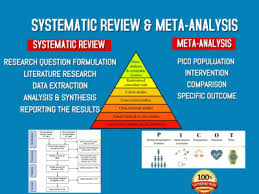
In today's evidence-based decision-making landscape, the ability to synthesize and interpret vast amounts of research is paramount. Systematic reviews and meta-analyses stand at the pinnacle of the evidence hierarchy, offering the most rigorous and unbiased approach to consolidating findings from multiple studies. This intensive training course provides participants with the essential methodological foundations and practical skills to conduct high-quality systematic reviews and meta-analyses, enabling them to contribute meaningfully to knowledge synthesis, policy formulation, and clinical practice guidelines.
Training Course on Systematic Review and Meta-Analysis Support is designed to equip researchers, clinicians, policymakers, and students with the expertise to navigate the complexities of evidence synthesis. From formulating clear research questions to performing robust statistical analyses and effectively reporting findings, this course covers every critical step. By mastering these advanced research methodologies, participants will enhance their research rigor, minimize bias, and generate actionable insights that drive impactful advancements across various disciplines.
Course Duration
5 days
Course Objectives
Upon completion of this course, participants will be able to:
- Formulate precise research questions using frameworks like PICO, ensuring clarity and scope for evidence synthesis.
- Develop comprehensive and reproducible search strategies across diverse academic databases and grey literature sources.
- Master efficient study selection and data extraction techniques, including the use of systematic review software for streamlined workflows.
- Critically appraise the risk of bias and methodological quality of individual studies using established tools (e.g., Cochrane RoB, GRADE).
- Understand the statistical principles underlying meta-analysis, including fixed-effects and random-effects models.
- Perform meta-analytic computations and interpret forest plots, funnel plots, and other effect measures with confidence.
- Address heterogeneity and publication bias in meta-analysis, applying appropriate statistical methods and sensitivity analyses.
- Synthesize both quantitative and qualitative evidence effectively, exploring advanced methods like mixed-methods systematic reviews.
- Develop a robust systematic review protocol and ensure its PROSPERO registration for transparency and accountability.
- Effectively report systematic review findings according to PRISMA guidelines, ensuring clarity, completeness, and impact.
- Apply evidence-based practice principles to their respective fields, translating research into practical recommendations.
- Utilize emerging AI tools and machine learning applications to enhance efficiency in systematic review processes.
- Stay abreast of current trends and innovations in evidence synthesis methodology, fostering continuous learning and development.
Organizational Benefits
- A team equipped to conduct high-quality, impactful evidence synthesis projects.
- Access to rigorously synthesized evidence for strategic planning, policy development, and clinical guideline formulation.
- Streamlined processes and expertise in systematic reviews leading to more efficient research output.
- Minimized risk of flawed conclusions through adherence to rigorous methodology and quality appraisal.
- A workforce capable of producing high-impact publications and contributing to leading evidence-based initiatives.
- Informed decisions based on comprehensive evidence, leading to more effective use of resources.
- Bridging the gap between research and practice, facilitating the adoption of best practices.
Target Audience
- Researchers and Academics.
- Healthcare Professionals.
- Policy Makers and Analysts
- Librarians and Information Specialists
- Biostatisticians and Methodologists
- Pharmaceutical and Biotechnology Professionals
- Graduate Students.
- Grant Writers and Research Consultants.
Course Outline
Module 1: Foundations of Systematic Review & Meta-Analysis
- Define systematic review, meta-analysis, and their position in the evidence hierarchy.
- Differentiate systematic reviews from traditional literature reviews and scoping reviews.
- Understand the importance of transparency and reproducibility in evidence synthesis.
- Explore the ethical considerations and potential pitfalls in systematic review conduct.
- Case Study: Analyzing a published systematic review to identify key characteristics and components.
Module 2: Formulating Research Questions and Developing Protocols
- Master the PICO (Population, Intervention, Comparator, Outcome) framework for question formulation.
- Learn to define clear and specific inclusion and exclusion criteria.
- Develop a comprehensive systematic review protocol, including search strategy and data extraction plan.
- Understand the process and benefits of PROSPERO registration.
- Case Study: Crafting a PICO question and developing a hypothetical protocol for a clinical intervention.
Module 3: Comprehensive Literature Searching
- Identify key academic databases (e.g., PubMed, Embase, Web of Science, Cochrane Library).
- Develop advanced search strategies using Boolean operators, truncation, and subject headings.
- Explore methods for identifying grey literature and unpublished studies to minimize publication bias.
- Learn effective citation management and deduplication techniques using reference software.
- Case Study: Conducting a live, hands-on search across multiple databases for a specific research question.
Module 4: Study Selection and Data Extraction
- Implement systematic screening processes for titles, abstracts, and full texts.
- Understand inter-rater reliability and strategies for resolving discrepancies in study selection.
- Design and pilot robust data extraction forms for relevant study characteristics and outcomes.
- Utilize systematic review software (e.g., Covidence, Rayyan) to streamline screening and extraction.
- Case Study: Practicing data extraction from a sample of included studies using a structured form.
Module 5: Quality Appraisal and Risk of Bias Assessment
- Differentiate between study quality, methodological rigor, and risk of bias.
- Apply commonly used risk of bias tools for different study designs (e.g., Cochrane RoB 2.0 for RCTs, ROBINS-I for non-randomized studies).
- Understand the implications of bias for interpreting systematic review findings.
- Learn how to summarize and present risk of bias assessments.
- Case Study: Assessing the risk of bias for several pre-selected studies relevant to a systematic review topic.
Module 6: Introduction to Meta-Analysis and Effect Measures
- Understand the rationale and benefits of conducting a meta-analysis.
- Differentiate between fixed-effects and random-effects models and their appropriate use.
- Interpret various effect measures (e.g., odds ratio, relative risk, mean difference, standardized mean difference).
- Learn how to visually represent meta-analytic results using forest plots.
- Case Study: Interpreting published forest plots and understanding the meaning of pooled effect estimates.
Module 7: Advanced Meta-Analysis: Heterogeneity and Publication Bias
- Identify and quantify heterogeneity using statistical tests (I2) and explore its sources.
- Employ subgroup analysis and meta-regression to investigate heterogeneity.
- Recognize and assess publication bias using funnel plots and statistical tests (e.g., Egger's test).
- Understand strategies for addressing and minimizing the impact of publication bias.
- Case Study: Performing a meta-analysis using statistical software (e.g., RevMan, R, Stata) and exploring heterogeneity.
Module 8: Reporting, Dissemination, and Future Directions
- Adhere to PRISMA (Preferred Reporting Items for Systematic Reviews and Meta-Analyses) guidelines for transparent reporting.
- Understand the process of writing and publishing a systematic review manuscript.
- Explore methods for disseminating systematic review findings to diverse audiences.
- Discuss emerging trends in evidence synthesis, including living systematic reviews and the role of Artificial Intelligence.
- Case Study: Critiquing a published systematic review report for adherence to PRISMA guidelines and identifying areas for improvement.
Training Methodology
This training course employs a highly interactive and practical methodology, combining:
- Interactive Lectures: Concise presentations of theoretical concepts and methodological principles.
- Hands-on Software Tutorials: Practical sessions using specialized systematic review and meta-analysis software (e.g., Covidence, RevMan, R/Stata scripts for basic functions).
- Case Studies and Group Exercises: Real-world examples and collaborative activities to apply learned skills.
- Live Demonstrations: Step-by-step guidance on conducting search strategies, data extraction, and meta-analysis.
- Q&A Sessions and Peer Discussion: Opportunities for participants to ask questions, share insights, and engage with instructors and peers.
- Practical Assignments: Short assignments after each module to reinforce learning and provide feedback.
- Expert-Led Feedback: Personalized guidance and feedback from experienced systematic review methodologists.
Register as a group from 3 participants for a Discount
Send us an email: info@datastatresearch.org or call +254724527104
Certification
Upon successful completion of this training, participants will be issued with a globally- recognized certificate.
Tailor-Made Course
We also offer tailor-made courses based on your needs.
Key Notes
a. The participant must be conversant with English.
b. Upon completion of training the participant will be issued with an Authorized Training Certificate
c. Course duration is flexible and the contents can be modified to fit any number of days.
d. The course fee includes facilitation training materials, 2 coffee breaks, buffet lunch and A Certificate upon successful completion of Training.
e. One-year post-training support Consultation and Coaching provided after the course.
f. Payment should be done at least a week before commence of the training, to DATASTAT CONSULTANCY LTD account, as indicated in the invoice so as to enable us prepare better for you.