Training Course on Strategies for Operational Excellence
Training Course on Strategies for Operational Excellence delves into critical areas such as lean management, six sigma principles, value stream mapping, and performance management systems, providing a holistic approach to optimizing organizational performance and achieving sustainable competitive advantage
Course Overview
Training Course on Strategies for Operational Excellence
Introduction
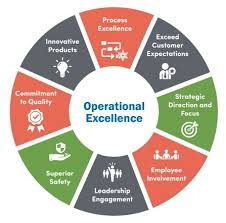
This intensive training course is designed to equip individuals and organizations with the essential knowledge and practical skills to achieve operational excellence. By focusing on proven methodologies and cutting-edge strategies, participants will learn how to streamline processes, eliminate waste, enhance efficiency, and foster a culture of continuous improvement. The curriculum delves into critical areas such as lean management, six sigma principles, value stream mapping, and performance management systems, providing a holistic approach to optimizing organizational performance and achieving sustainable competitive advantage.
Through a blend of theoretical frameworks and practical application, this program empowers participants to identify areas for improvement within their operations, implement effective solutions, and drive tangible results. By mastering the tools and techniques of process optimization, quality management, and change management, graduates will be able to lead initiatives that enhance productivity, reduce costs, improve customer satisfaction, and ultimately contribute to the overall success of their organizations. This course is an investment in building a high-performing team and establishing a foundation for long-term organizational growth and efficiency.
Course Duration
10 days
Course Objectives:
- Understand the fundamental principles of operational excellence and its strategic importance.
- Master the core concepts and tools of lean manufacturing and their application in various industries.
- Apply Six Sigma methodologies (DMAIC) to identify and solve process-related problems effectively.
- Conduct comprehensive value stream mapping to visualize and analyze process flows for improvement.
- Implement effective performance management systems to track progress and drive accountability.
- Utilize process optimization techniques to eliminate bottlenecks and enhance efficiency.
- Integrate quality management principles to ensure consistent and high-quality outputs.
- Apply change management strategies to effectively lead and navigate organizational transformations.
- Leverage data analytics to identify trends, measure performance, and make informed decisions.
- Foster a culture of continuous improvement and employee engagement within the organization.
- Implement risk management frameworks to proactively identify and mitigate potential operational disruptions.
- Understand the role of technology and automation in achieving operational excellence.
- Develop practical action plans to implement sustainable improvement initiatives within their respective roles.
Organizational Benefits:
- Increased efficiency and productivity across all operational areas.
- Reduced waste and operational costs through streamlined processes.
- Improved quality of products and services, leading to higher customer satisfaction.
- Enhanced profitability and return on investment through optimized resource utilization.
- Stronger competitive advantage through superior operational capabilities.
- Greater agility and responsiveness to market changes and customer demands.
- Improved employee engagement and a culture of continuous improvement.
- Enhanced risk management and operational resilience.
- Better decision-making based on data-driven insights.
- Sustainable organizational growth and long-term success.
Target Audience:
- Operations Managers and Supervisors
- Process Improvement Specialists
- Quality Assurance Professionals
- Supply Chain Managers
- Manufacturing Engineers
- Business Analysts
- Project Managers
- Leaders and Executives seeking operational improvements
Course Outline:
Module 1: Foundations of Operational Excellence
- Defining Operational Excellence and its key dimensions.
- The strategic importance of operational excellence for organizational success.
- Understanding the principles of value creation and waste elimination.
- Historical evolution and key figures in operational excellence.
- Establishing a framework for your operational excellence journey.
Module 2: Lean Thinking and Principles
- Introduction to Lean principles: Value, Value Stream, Flow, Pull, Perfection.
- Identifying and categorizing the eight wastes (TIM WOODS).
- Implementing 5S methodology for workplace organization.
- Understanding and applying Kaizen for continuous incremental improvement.
- Introduction to Just-in-Time (JIT) and its impact on inventory management.
Module 3: Six Sigma Methodology (DMAIC)
- Overview of Six Sigma and its focus on reducing variation.
- The Define phase: Project charter, Voice of the Customer (VOC), SIPOC diagram.
- The Measure phase: Data collection, measurement systems analysis (MSA).
- The Analyze phase: Statistical tools for data analysis and root cause identification.
- The Improve phase: Developing and implementing solutions, pilot testing.
Module 4: Value Stream Mapping (VSM)
- Understanding the purpose and benefits of value stream mapping.
- Identifying product/service families and defining the scope of the map.
- Drawing the current state map: Symbols, data collection, and analysis.
- Analyzing the current state map to identify areas for improvement.
- Developing the future state map and creating an implementation plan.
Module 5: Performance Management Systems
- Establishing Key Performance Indicators (KPIs) aligned with strategic goals.
- Designing effective performance measurement frameworks.
- Implementing balanced scorecards and other performance management tools.
- Utilizing data visualization techniques for performance monitoring.
- Conducting performance reviews and providing feedback for continuous improvement.
Module 6: Process Optimization Techniques
- Identifying and analyzing process bottlenecks and constraints.
- Applying techniques such as process re-engineering and simplification.
- Utilizing flowcharts and process mapping for analysis and design.
- Implementing automation and technology to enhance efficiency.
- Measuring and monitoring the impact of process optimization initiatives.
Module 7: Quality Management Principles and Tools
- Understanding the core principles of quality management (ISO 9001).
- Implementing statistical process control (SPC) for monitoring process variation.
- Utilizing quality tools such as Pareto charts, fishbone diagrams, and control charts.
- Conducting root cause analysis for quality issues.
- Implementing preventative and corrective actions for continuous quality improvement.
Module 8: Change Management in Operations
- Understanding the human element of change and resistance factors.
- Applying change management models (e.g., Kotter's 8-Step Model).
- Developing communication strategies for effective change implementation.
- Engaging stakeholders and building support for change initiatives.
- Sustaining change and embedding new processes into the organizational culture.
Module 9: Data Analytics for Operational Excellence
- Understanding the role of data in driving operational improvements.
- Identifying relevant data sources and collection methods.
- Utilizing statistical analysis and visualization tools for data interpretation.
- Applying predictive analytics for forecasting and proactive problem solving.
- Making data-driven decisions to optimize operational performance.
Module 10: Fostering a Culture of Continuous Improvement
- Understanding the principles of a learning organization.
- Implementing employee involvement programs and suggestion systems.
- Promoting teamwork and collaboration for problem-solving.
- Recognizing and rewarding improvement efforts.
- Embedding continuous improvement into the organizational DNA.
Module 11: Risk Management in Operations
- Identifying potential operational risks and their impact.
- Implementing risk assessment and mitigation strategies.
- Developing contingency plans for potential disruptions.
- Utilizing tools such as Failure Mode and Effects Analysis (FMEA).
- Building a resilient and proactive operational environment.
Module 12: Technology and Automation in Operational Excellence
- Exploring the role of automation in improving efficiency and reducing errors.
- Understanding different types of automation (e.g., RPA, robotics).
- Evaluating the feasibility and benefits of technology adoption.
- Integrating technology solutions into existing operational processes.
- Considering the human impact of automation and managing the transition.
Module 13: Supply Chain Optimization
- Understanding the principles of efficient supply chain management.
- Identifying opportunities for optimization in sourcing, logistics, and inventory.
- Applying lean principles to the supply chain.
- Utilizing technology for supply chain visibility and collaboration.
- Building resilient and agile supply chain networks.
Module 14: Implementing Sustainable Improvement Initiatives
- Developing a roadmap for implementing operational excellence projects.
- Prioritizing improvement opportunities based on impact and feasibility.
- Managing project timelines and resources effectively.
- Measuring and reporting on the success of improvement initiatives.
- Ensuring the sustainability of implemented changes and continuous monitoring.
Module 15: Leading and Sustaining Operational Excellence
- Developing leadership skills for driving a culture of excellence.
- Communicating the vision and benefits of operational excellence.
- Empowering teams and individuals to take ownership of improvement.
- Establishing governance structures for ongoing operational excellence efforts.
- Continuously learning and adapting to evolving best practices in operational excellence.
Training Methodology:
This course employs a blended learning approach incorporating:
- Interactive lectures and presentations with real-world case studies.
- Group discussions and collaborative problem-solving exercises.
- Practical workshops utilizing tools and templates for immediate application.
- Individual and team-based assignments to reinforce learning.
- Case study analysis of successful operational excellence implementations.
Register as a group from 3 participants for a Discount
Send us an email: info@datastatresearch.org or call +254724527104
Certification
Upon successful completion of this training, participants will be issued with a globally- recognized certificate.
Tailor-Made Course
We also offer tailor-made courses based on your needs.
Key Notes
a. The participant must be conversant with English.
b. Upon completion of training the participant will be issued with an Authorized Training Certificate
c. Course duration is flexible and the contents can be modified to fit any number of days.
d. The course fee includes facilitation training materials, 2 coffee breaks, buffet lunch and A Certificate upon successful completion of Training.
e. One-year post-training support Consultation and Coaching provided after the course.
f. Payment should be done at least a week before commence of the training, to DATASTAT CONSULTANCY LTD account, as indicated in the invoice so as to enable us prepare better for you.