Training Course on Strategic Planning and Execution
Training Course on Strategic Planning and Execution equips participants with the essential knowledge and practical skills to develop robust strategic plans that align with organizational vision and goals.
Skills Covered
Course Overview
Training Course on Strategic Planning and Execution
Introduction
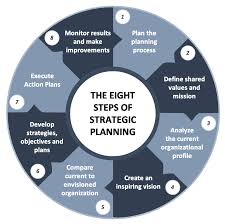
In today's dynamic and competitive landscape, strategic planning is no longer a luxury but a necessity for sustained organizational growth and survival. Training Course on Strategic Planning and Execution equips participants with the essential knowledge and practical skills to develop robust strategic plans that align with organizational vision and goals. Furthermore, it delves into the critical aspect of strategy execution, providing frameworks and tools to translate plans into tangible results. By mastering both strategic formulation and effective implementation, organizations can enhance their competitive advantage, optimize resource allocation, and foster a culture of accountability and high performance. This program emphasizes the importance of stakeholder alignment, risk management, and continuous performance monitoring to ensure strategic initiatives are successfully delivered and contribute to long-term organizational success.
This comprehensive course offers a deep dive into the strategic management process, from environmental scanning and SWOT analysis to the development of strategic objectives and action plans. Participants will learn how to define clear key performance indicators (KPIs) and establish effective performance management systems to track progress and measure the impact of strategic initiatives. The program also addresses the challenges of change management and provides strategies for leading and engaging teams throughout the execution phase. Through interactive sessions, real-world case studies, and practical exercises, participants will gain the confidence and competence to contribute significantly to their organization's strategic success, driving innovation and achieving sustainable outcomes in a rapidly evolving business environment.
Course Duration
5 days
Course Objectives
- Master the fundamentals of strategic planning and its importance in achieving organizational goals.
- Conduct comprehensive environmental analysis to identify opportunities and threats.
- Perform effective SWOT analysis to understand internal strengths and weaknesses.
- Develop clear and measurable strategic objectives aligned with the organizational vision.
- Formulate effective strategic initiatives and action plans with clear timelines and responsibilities.
- Understand various strategy execution frameworks and their practical application.
- Establish and utilize key performance indicators (KPIs) to track strategic progress.
- Implement robust performance management systems to monitor and evaluate outcomes.
- Navigate the complexities of change management during strategy implementation.
- Foster stakeholder alignment and communication throughout the strategic process.
- Integrate risk management into strategic planning and execution.
- Utilize data-driven insights for strategic decision-making and adaptation.
- Cultivate a culture of strategic thinking and accountability within the organization.
Organizational Benefits
- Enhanced competitive advantage through well-defined and executed strategies.
- Improved resource allocation and operational efficiency.
- Increased employee engagement and alignment with organizational goals.
- Better decision-making based on strategic priorities and data analysis.
- Stronger organizational resilience and adaptability to market changes.
- Enhanced communication and collaboration across departments.
- Improved performance management and accountability at all levels.
- Sustainable long-term growth and profitability.
Target Participants
- Senior Leaders and Executives
- Middle Management Professionals
- Department Heads and Team Leaders
- Strategy and Planning Managers
- Business Development Managers
- Project Managers
- Management Consultants
- Individuals seeking to enhance their strategic thinking skills
Course Outline
Module 1: Foundations of Strategic Planning
- Understanding the strategic planning process and its importance.
- Defining organizational vision, mission, and values.
- Exploring different levels of strategy (corporate, business, functional).
- Identifying key stakeholders and their influence.
- Case Study: Analyzing the strategic planning process of a successful multinational corporation.
Module 2: Environmental Analysis and SWOT
- Conducting external environmental analysis (PESTEL framework).
- Analyzing industry dynamics and competitive forces (Porter's Five Forces).
- Performing internal resource and capability analysis.
- Developing a comprehensive SWOT matrix.
- Case Study: Examining how a company used SWOT analysis to identify new market opportunities.
Module 3: Setting Strategic Objectives and Goals
- Defining SMART (Specific, Measurable, Achievable, Relevant, Time-bound) objectives.
- Developing a strategic framework and cascading goals across the organization.
- Aligning strategic objectives with the organizational vision.
- Prioritizing strategic objectives based on impact and feasibility.
- Case Study: Reviewing the objective-setting process of a high-growth startup.
Module 4: Formulating Strategic Initiatives and Action Plans
- Brainstorming and evaluating potential strategic initiatives.
- Developing detailed action plans with timelines, responsibilities, and resources.
- Integrating strategic initiatives across different functional areas.
- Managing dependencies and potential roadblocks.
- Case Study: Analyzing the action plan of a successful product launch strategy.
Module 5: Strategy Execution Frameworks
- Exploring different strategy execution models (e.g., Balanced Scorecard).
- Establishing clear roles and responsibilities for execution.
- Developing communication and collaboration strategies for implementation.
- Managing resources effectively during execution.
- Case Study: Examining the implementation of the Balanced Scorecard in a service-based organization.
Module 6: Performance Management and Measurement
- Identifying and defining Key Performance Indicators (KPIs).
- Establishing performance targets and measurement systems.
- Monitoring and tracking progress against strategic objectives.
- Using data and analytics for performance evaluation.
- Case Study: Analyzing how a company used KPIs to track the success of a strategic initiative.
Module 7: Leading and Managing Strategic Change
- Understanding the principles of change management.
- Identifying and addressing resistance to change.
- Communicating the strategic vision and the need for change effectively.
- Engaging and empowering employees during the change process.
- Case Study: Reviewing the change management strategy of a company undergoing a major digital transformation.
Module 8: Continuous Improvement and Strategic Agility
- Establishing mechanisms for regular strategic review and adaptation.
- Fostering a culture of continuous improvement and learning.
- Building organizational agility to respond to market changes.
- Integrating feedback and lessons learned into future strategic cycles.
- Case Study: Examining how a company adapted its strategy in response to a significant market disruption.
Training Methodology
This training course will employ a highly interactive and engaging methodology, including:
- Interactive lectures and presentations
- Group discussions and brainstorming sessions
- Practical exercises and individual assignments
- Real-world case study analysis
- Role-playing and simulations
- Q&A sessions and feedback opportunities
- Action planning for immediate application
Register as a group from 3 participants for a Discount
Send us an email: info@datastatresearch.org or call +254724527104
Certification
Upon successful completion of this training, participants will be issued with a globally- recognized certificate.
Tailor-Made Course
We also offer tailor-made courses based on your needs.
Key Notes
a. The participant must be conversant with English.
b. Upon completion of training the participant will be issued with an Authorized Training Certificate
c. Course duration is flexible and the contents can be modified to fit any number of days.
d. The course fee includes facilitation training materials, 2 coffee breaks, buffet lunch and A Certificate upon successful completion of Training.
e. One-year post-training support Consultation and Coaching provided after the course.
f. Payment should be done at least a week before commence of the training, to DATASTAT CONSULTANCY LTD account, as indicated in the invoice so as to enable us prepare better for you.