Training course on Strategic Management of Intangible Assets
Training course on Strategic Management of Intangible Assets course provides essential frameworks and practical methodologies to identify, value, protect, and strategically leverage your organization's most vital hidden assets.
Course Overview
Training course on Strategic Management of Intangible Assets
Introduction
In today's knowledge economy, intangible assets have emerged as the paramount drivers of sustainable competitive advantage and organizational value creation. From intellectual property and brand equity to human capital and digital assets, these non-physical resources increasingly represent the majority of a company's market capitalization. Effective strategic management of intangible assets is no longer a niche concern but a critical imperative for business growth, innovation, and long-term resilience in a rapidly evolving global landscape Training course on Strategic Management of Intangible Assets course provides essential frameworks and practical methodologies to identify, value, protect, and strategically leverage your organization's most vital hidden assets.
This program delves into the intricate world of intangible asset optimization, equipping participants with the advanced skills to transform abstract concepts into tangible business results. We will explore cutting-edge strategies for IP commercialization, brand reputation management, data governance, and fostering a culture of innovation and knowledge sharing. Through real-world case studies and interactive exercises, you will learn to develop robust intangible asset portfolios, mitigate associated risks, and unlock new avenues for revenue generation and market leadership. Embrace the future of business by mastering the strategic management of your organization's most powerful, yet often overlooked, assets.
Course Duration
5 days
Course Objectives
- Master the systematic identification and categorization of all critical intangible assets, including intellectual property (IP), brand equity, human capital, customer relationships, data assets, and organizational culture.
- Develop proficiency in valuing intangible assets using advanced methodologies such as the income approach, market approach, and cost approach, aligning valuation with business strategy and financial reporting.
- Formulate robust intellectual property strategies covering patent protection, trademark registration, copyright management, and trade secret safeguarding for sustained innovation advantage.
- Implement effective strategies for building, maintaining, and enhancing brand value and corporate reputation, including digital reputation management and crisis communication.
- Design and integrate human capital strategies that foster talent retention, knowledge sharing, skill development, and cultivate a high-performance organizational culture.
- Establish comprehensive data governance frameworks for data quality, data privacy, cybersecurity, and explore innovative approaches to data monetization and analytics.
- Cultivate and manage an innovation ecosystem that drives the creation and protection of new intangible assets, leveraging R&D investment and open innovation.
- Identify, assess, and mitigate risks associated with intangible assets, including cyber threats, IP infringement, brand dilution, and loss of key talent.
- Develop and manage an optimized intangible asset portfolio that aligns with overarching corporate strategy and maximizes return on investment (ROI).
- Understand the evolving legal and regulatory landscape surrounding intangible assets, ensuring compliance with local and international laws and standards.
- Conduct thorough intangible asset due diligence in M&A activities to accurately assess value, identify synergies, and mitigate integration risks.
- Leverage digital transformation and AI technologies to enhance the management, protection, and utilization of digital intangible assets.
- Integrate ESG (Environmental, Social, Governance) principles into intangible asset management for long-term sustainability and stakeholder value.
Organizational Benefits
- Directly contributes to increased market capitalization and investor confidence by showcasing the hidden value of intangible assets.
- Builds formidable barriers to entry and unique market positioning through protected intellectual property and strong brand recognition.
- Fosters a culture of continuous innovation, leading to new products, services, and expanded market opportunities.
- Reduces exposure to legal disputes, cyberattacks, and reputational damage through proactive intangible asset protection.
- Enables more informed strategic decisions by accurately valuing and prioritizing investments in critical intangible assets.
- Unlocks new monetization opportunities through licensing, partnerships, and strategic deployment of intellectual property.
- Enhances organizational attractiveness and reduces employee turnover by investing in human capital development and a positive work environment.
- Builds adaptability and long-term sustainability in a dynamic business environment by securing core knowledge and relationships.
Target Audience
- C-Suite Executives & Senior Leaders.
- Intellectual Property Professionals.
- Finance & Valuation Specialists.
- Innovation & R&D Managers
- Marketing & Brand Managers
- Human Resources & Talent Management Leaders
- Legal & Compliance Officers.
- Business Owners & Entrepreneurs.
Course Outline
Module 1: The Strategic Imperative of Intangible Assets
- Defining Intangible Assets: Beyond the Balance Sheet - Understanding the diverse forms and economic impact of non-physical assets.
- The Knowledge Economy Shift: Why Intangibles Drive Modern Business Value - Exploring the paradigm shift from tangible to intangible value creation.
- Competitive Advantage & Intangible Assets: Building Sustainable Moats - How unique intangibles create market differentiation and sustained profitability.
- Risk & Opportunity: Navigating the Intangible Landscape - Identifying threats and leveraging opportunities inherent in intangible asset management.
- Case Study: Examining the rise of a tech giant like Google or Apple, focusing on how their brand, patents, software, and user data, rather than physical assets, drive their immense market capitalization.
Module 2: Identifying & Categorizing Your Intangible Assets
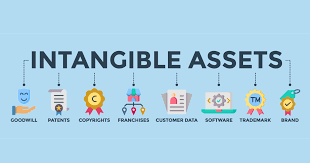
- Types of Intangible Assets: IP, Brand, Human Capital, Data, Relationships - A deep dive into the various classifications of intangible assets.
- Mapping Your Intangible Asset Portfolio: Tools and Techniques - Practical methods for inventorying and visualizing an organization's intangible wealth.
- Hidden Gems: Uncovering Overlooked Intangibles - Strategies for identifying unrecognized or undervalued assets within the organization.
- Measuring Intangible Asset Performance: Key Metrics & Indicators - Developing quantifiable measures for tracking the effectiveness of intangible assets.
- Case Study: A traditional manufacturing company undertakes an internal audit to identify its previously unacknowledged intangible assets, such as proprietary manufacturing processes, long-standing supplier relationships, and employee expertise, leading to new strategic initiatives.
Module 3: Intellectual Property (IP) Strategy & Protection
- Patents: Protecting Innovations & Technologies - Understanding patentability, application processes, and strategic patent portfolio development.
- Trademarks & Brand Identity: Safeguarding Your Brand's Image - Registration, enforcement, and international protection of trademarks.
- Copyright & Content Creation: Protecting Creative Works - Managing copyrights for software, artistic works, and digital content.
- Trade Secrets: The Power of Confidential Information - Strategies for identifying, protecting, and enforcing trade secrets.
- Case Study: A pharmaceutical company defends its core drug patent against a generic competitor, showcasing the legal strategies and financial implications of IP protection and infringement.
Module 4: Valuation & Financial Reporting of Intangible Assets
- Valuation Methodologies: Cost, Market, and Income Approaches in Detail - Applying various valuation techniques to different types of intangible assets.
- Fair Value Measurement & Reporting Standards (e.g., IFRS, GAAP) - Navigating the complexities of accounting standards for intangible assets.
- Intangible Assets in M&A: Due Diligence & Purchase Price Allocation - Assessing and valuing intangibles during mergers, acquisitions, and divestitures.
- Monetization Strategies: Licensing, Royalties, & Strategic Partnerships - Exploring avenues to generate revenue from intangible assets.
- Case Study: A company acquires a startup primarily for its cutting-edge AI technology and customer database. The case focuses on the valuation challenges of these unique intangible assets during the acquisition process.
Module 5: Human Capital & Organizational Culture as Intangible Assets
- Talent as Capital: Investing in Employee Skills & Knowledge - Strategies for developing, retaining, and leveraging human capital.
- Knowledge Management Systems: Facilitating Information Flow & Learning - Implementing systems to capture, share, and utilize organizational knowledge.
- Culture of Innovation: Fostering Creativity & Adaptability - Building an organizational environment that encourages innovation and new idea generation.
- Succession Planning & Leadership Development: Securing Future Expertise - Ensuring the continuity of critical human capital through strategic planning.
- Case Study: A consulting firm faces high employee turnover. The case explores how they developed a comprehensive human capital strategy, including mentorship programs and internal knowledge-sharing platforms, to reduce attrition and enhance their collective intellectual capital.
Module 6: Data, Digital Assets & Cybersecurity
- Data as a Strategic Asset: Collection, Curation, and Analytics - Understanding the value and strategic importance of organizational data.
- Digital Assets & Their Management: Software, Websites, Online Platforms - Managing and leveraging digital infrastructure as intangible assets.
- Cybersecurity for Intangibles: Protecting Against Digital Threats - Implementing robust cybersecurity measures to safeguard valuable digital assets and intellectual property.
- Ethical Data Use & Privacy Regulations (e.g., GDPR, CCPA) - Navigating the ethical considerations and legal requirements for data privacy.
- Case Study: A global e-commerce company experiences a data breach, highlighting the critical importance of robust cybersecurity measures and data governance to protect customer data and maintain brand trust.
Module 7: Strategic Planning & Implementation for Intangibles
- Integrating Intangible Assets into Corporate Strategy - Aligning intangible asset management with overall business objectives.
- Developing an Intangible Asset Roadmap: Goals, Metrics, and Initiatives - Creating a clear plan for managing and leveraging intangible assets.
- Cross-Functional Collaboration: Breaking Down Silos for Intangibles - Fostering cooperation across departments for effective intangible asset management.
- Performance Measurement & Reporting: Demonstrating ROI of Intangibles - Proving the value and impact of intangible asset investments.
- Case Study: A media conglomerate develops a new strategic plan to leverage its extensive content library and audience data, transforming its business model and expanding into new digital platforms.
Module 8: Future Trends & Emerging Intangible Asset Frontiers
- Artificial Intelligence (AI) & Machine Learning (ML) as Intangible Assets - Exploring the value of AI models, algorithms, and training data.
- Blockchain & NFTs: New Paradigms for Digital Asset Ownership - Understanding the implications of blockchain technology for intellectual property and digital collectibles.
- ESG & Sustainable Intangible Assets: Reputation and Social Capital - The growing importance of environmental, social, and governance factors in intangible asset valuation.
- The Metaverse & Virtual Assets: Opportunities and Challenges - Preparing for the future of digital economies and virtual intangible assets.
- Case Study: A fashion brand explores the potential of NFTs and virtual fashion lines to create new digital intangible assets and engage with a younger, tech-savvy audience, analyzing the risks and rewards of this emerging market.
Training Methodology
This training course will employ a highly interactive and practical methodology designed to maximize learning and retention. The approach will include:
- Interactive Presentations: Engaging lectures with visual aids and real-world examples.
- Case Studies: In-depth analysis of diverse organizational scenarios to apply theoretical concepts and foster critical thinking.
- Group Discussions: Facilitated peer-to-peer learning and sharing of experiences and best practices.
- Practical Exercises & Workshops: Hands-on activities and problem-solving sessions to reinforce understanding.
- Q&A Sessions: Dedicated time for clarification and addressing specific participant queries.
- Role-Playing & Simulations: Experiential learning opportunities to practice strategic decision-making in a safe environment.
- Expert Guest Speakers: Insights from industry leaders and specialists in intangible asset management.
Register as a group from 3 participants for a Discount
Send us an email: info@datastatresearch.org or call +254724527104
Certification
Upon successful completion of this training, participants will be issued with a globally- recognized certificate.
Tailor-Made Course
We also offer tailor-made courses based on your needs.
Key Notes
a. The participant must be conversant with English.
b. Upon completion of training the participant will be issued with an Authorized Training Certificate
c. Course duration is flexible and the contents can be modified to fit any number of days.
d. The course fee includes facilitation training materials, 2 coffee breaks, buffet lunch and A Certificate upon successful completion of Training.
e. One-year post-training support Consultation and Coaching provided after the course.
f. Payment should be done at least a week before commence of the training, to DATASTAT CONSULTANCY LTD account, as indicated in the invoice so as to enable us prepare better for you.