Training Course on Social Impact Measurement and Reporting (S-KPIs)
Training Course on Social Impact Measurement and Reporting (S-KPIs) provides participants with the essential frameworks, methodologies, and practical tools to effectively measure, analyze, and communicate their social value.
Skills Covered
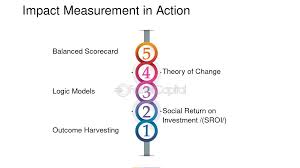
Course Overview
Training Course on Social Impact Measurement and Reporting (S-KPIs)
Introduction
In today's rapidly evolving global landscape, organizations across all sectors are increasingly recognizing the imperative of demonstrating their positive societal contributions. Training Course on Social Impact Measurement and Reporting (S-KPIs) provides participants with the essential frameworks, methodologies, and practical tools to effectively measure, analyze, and communicate their social value. By moving beyond traditional financial metrics, this program empowers professionals to articulate meaningful outcomes, foster accountability, and drive sustainable development, aligning their initiatives with global agendas like the Sustainable Development Goals (SDGs) and Environmental, Social, and Governance (ESG) principles.
The ability to accurately quantify and transparently report on social impact is no longer a niche skill but a fundamental requirement for organizational credibility, stakeholder engagement, and securing impact investment. This course delves into cutting-edge approaches to impact assessment, data-driven decision-making, and compelling impact storytelling. Participants will gain hands-on experience in designing robust Social Key Performance Indicators (S-KPIs), implementing ethical data collection strategies, and crafting impactful reports that resonate with diverse audiences, ultimately enhancing their organization's capacity for strategic philanthropy, corporate social responsibility (CSR), and social innovation.
Course Duration
10 days
Course Objectives
Upon completion of this training, participants will be able to:
- Understand the fundamental principles and evolving landscape of social impact measurement and its critical relevance.
- Define and differentiate between inputs, outputs, outcomes, and long-term impacts in social initiatives.
- Develop robust Social Key Performance Indicators (S-KPIs) that are specific, measurable, achievable, relevant, and time-bound (SMART).
- Design and implement effective impact measurement frameworks, including Theory of Change and Logic Models.
- Identify and apply leading global impact reporting standards and guidelines (e.g., GRI, IRIS+, SROI).
- Master diverse data collection methodologies, both qualitative and quantitative, for social impact data.
- Utilize practical tools and techniques for social data analysis and interpretation.
- Construct compelling social impact reports tailored for various stakeholders (funders, beneficiaries, boards).
- Employ effective impact storytelling techniques to communicate social value authentically.
- Integrate ESG factors and SDG alignment into organizational impact strategies and reporting.
- Leverage technology and digital platforms for efficient impact data management and visualization.
- Address common challenges and ethical considerations in social impact evaluation.
- Apply insights from impact measurement to inform strategic decision-making and program optimization.
Organizational Benefits
- Enhanced credibility and transparency in their social and environmental efforts.
- Improved ability to attract impact investment and secure funding.
- Strengthened stakeholder engagement and trust.
- More effective resource allocation and program design.
- Clearer demonstration of return on social investment (ROSI).
- Better alignment with global sustainability goals and ESG compliance.
- Increased capacity for data-driven decision-making and adaptive management.
- Boosted brand reputation and public perception.
- Fostered culture of accountability and continuous improvement.
- Empowered teams with actionable insights for social good.
Target Audience
- NGO Program Managers and M&E Specialists
- Social Enterprise Leaders and Staff
- Corporate Social Responsibility (CSR) Professionals
- Impact Investors and Philanthropic Organizations
- Government Officials involved in social development initiatives
- Consultants in the social impact sector
- Foundations and Grant-making Organizations
- Academics and Researchers interested in social impact.
Course Outline
Module 1: Foundations of Social Impact Measurement
- Defining Social Impact: Beyond outputs to transformative change.
- Historical Evolution and Global Trends in Impact Measurement.
- Key Concepts: Inputs, Activities, Outputs, Outcomes, and Impact.
- The Business Case for Social Impact Measurement.
- Ethical Considerations in Impact Measurement.
- Case Study: The rise of impact investing and its demand for robust measurement.
Module 2: Theory of Change and Logic Models
- Understanding and Developing a Theory of Change.
- Constructing Effective Logic Models for Program Design.
- Mapping Pathways to Social Change.
- Identifying Assumptions and Risks in Impact Pathways.
- Iterative Process: Refining your Theory of Change.
- Case Study: A community health program's Theory of Change linking activities to improved health outcomes.
Module 3: Developing Social Key Performance Indicators (S-KPIs)
- Characteristics of SMART S-KPIs.
- Quantitative vs. Qualitative S-KPIs: Balancing perspectives.
- Establishing Baselines and Setting Targets.
- Attribution, Contribution, and Counterfactuals in S-KPI Development.
- Aligning S-KPIs with Organizational Mission and Vision.
- Case Study: Developing S-KPIs for an education initiative focused on literacy rates and student well-being.
Module 4: Global Impact Measurement Frameworks and Standards
- Overview of Global Reporting Initiative (GRI) Standards.
- Introduction to IRIS+ (Impact Reporting and Investment Standards).
- Understanding Social Return on Investment (SROI) Methodology.
- Alignment with the Sustainable Development Goals (SDGs).
- Exploring Other Relevant Frameworks (e.g., B Impact Assessment).
- Case Study: A multinational corporation adapting GRI standards for its annual CSR report.
Module 5: Data Collection Methodologies for Social Impact
- Designing Data Collection Plans and Tools.
- Quantitative Methods: Surveys, Databases, Administrative Data.
- Qualitative Methods: Interviews, Focus Group Discussions, Case Studies.
- Leveraging Technology for Data Collection
- Ensuring Data Quality, Validity, and Reliability.
- Case Study: A microfinance organization using mobile surveys to collect beneficiary feedback and impact data.
Module 6: Social Data Analysis and Interpretation
- Fundamentals of Quantitative Data Analysis
- Techniques for Qualitative Data Analysis
- Identifying Patterns, Trends, and Anomalies in Social Data.
- Visualizing Data for Clear and Compelling Insights.
- Avoiding Bias and Misinterpretation in Analysis.
- Case Study: Analyzing survey data and interview transcripts to understand the social impact of a youth empowerment program.
Module 7: Crafting Effective Social Impact Reports
- Key Components of a High-Quality Impact Report.
- Tailoring Reports for Different Stakeholder Audiences.
- Structuring Narratives to Maximize Engagement.
- Integrating Visuals and Infographics Effectively.
- Ensuring Transparency and Accountability in Reporting.
- Case Study: A non-profit developing a donor-specific impact report highlighting key successes and financial transparency.
Module 8: The Art of Impact Storytelling
- Principles of Powerful Storytelling for Social Impact.
- Collecting and Curating Compelling Testimonials and Narratives.
- Using Data to Enhance Storytelling.
- Choosing the Right Medium for Your Impact Story.
- Ethical Storytelling and Protecting Beneficiary Privacy.
- Case Study: An environmental conservation group creating a video series featuring personal stories of community members impacted by their work.
Module 9: Integrating ESG and SDG Alignment
- Understanding the Intersections of Social Impact, ESG, and SDGs.
- Mapping Organizational Activities to Specific SDGs.
- Developing ESG Metrics Relevant to Social Performance.
- Reporting on SDG Contributions and ESG Performance.
- Leveraging ESG ratings for increased investment.
- Case Study: A company integrating human rights and labor practices into their ESG reporting, aligning with SDG 8 (Decent Work and Economic Growth).
Module 10: Technology for Social Impact Measurement
- Overview of Impact Measurement Software and Platforms.
- Data Management Systems and Dashboards.
- Utilizing AI and Machine Learning for Deeper Insight
- Geospatial Analysis for Mapping Social Impact.
- Best Practices for Data Security and Privacy.
- Case Study: An international development agency using a cloud-based platform to track real-time impact data across multiple projects.
Module 11: Challenges and Ethical Considerations
- Addressing Resource Constraints in Impact Measurement.
- Managing Data Quality and Reliability Issues.
- Navigating Attribution vs. Contribution Debates.
- Ethical Data Handling and Informed Consent.
- Dealing with Unintended Consequences and Negative Impacts.
- Case Study: Discussing the ethical dilemmas of collecting sensitive data from vulnerable populations.
Module 12: Strategic Decision-Making through Impact Data
- Using Impact Data for Program Refinement and Innovation.
- Informing Strategic Planning and Resource Allocation.
- Identifying Areas for Improvement and Course Correction.
- Communicating Insights to Leadership and Boards.
- Fostering a Culture of Learning and Adaptive Management.
- Case Study: A social enterprise using impact data to pivot its business model to address a newly identified community need.
Module 13: Advanced Topics in Social Impact Measurement
- Introduction to Quasi-Experimental Designs in Evaluation.
- Cost-Benefit Analysis and Social Cost-Benefit Analysis.
- Participatory Impact Assessment Methodologies.
- Collective Impact and Measuring Systemic Change.
- Blockchain and Emerging Technologies in Impact Verification.
- Case Study: Exploring a randomized controlled trial (RCT) in evaluating a poverty reduction program.
Module 14: Building an Impact Measurement Culture
- Internal Communication and Buy-in for Impact Measurement.
- Training and Capacity Building for Staff.
- Establishing Clear Roles and Responsibilities.
- Integrating Impact Measurement into Organizational Workflows.
- Celebrating Successes and Learning from Failures.
- Case Study: A large NGO successfully integrating impact measurement into the daily routines of all its program teams.
Module 15: Future Trends in Social Impact Measurement and Reporting
- The Growing Importance of Integrated Reporting.
- Emerging Technologies: Blockchain for Transparency, AI for Prediction.
- The Role of Big Data in Social Impact.
- Personalized Impact Reporting and Engagement.
- Policy and Regulatory Developments in Impact Reporting.
- Case Study: Analyzing the potential of blockchain technology for verifiable impact bonds.
Training Methodology
Our training methodology is highly interactive, practical, and participatory, designed to facilitate deep learning and immediate application. We blend:
- Expert-led presentations and theoretical foundations.
- Interactive workshops and group discussions.
- Hands-on exercises using real-world scenarios and datasets.