Training course on Smart Grids and Renewable Energy Management
Training Course on Smart Grids & Renewable Energy Management is designed to equip energy professionals with the knowledge and skills necessary to leverage advanced grid technologies for optimizing the integration and management of renewable energy sources.
Skills Covered
Course Overview
Training Course on Smart Grids & Renewable Energy Management
Introduction
As the global energy landscape evolves, the integration of smart grid technologies and renewable energy management has become essential for achieving sustainability goals. Training Course on Smart Grids & Renewable Energy Management is designed to equip energy professionals with the knowledge and skills necessary to leverage advanced grid technologies for optimizing the integration and management of renewable energy sources. With the increasing penetration of solar, wind, and other renewables, understanding the dynamics of smart grids is crucial for enhancing grid reliability, efficiency, and sustainability.
The course focuses on key aspects of smart grid technology, including communication networks, data analytics, and energy management systems. Participants will engage in real-world case studies and practical exercises to develop a comprehensive understanding of how smart grids facilitate the effective management of renewable energy resources. By the end of the course, attendees will be well-prepared to tackle the challenges of integrating smart grid solutions into existing energy systems, ensuring a seamless transition to a sustainable energy future.
Course Objectives
- Understand the fundamentals of smart grid technologies and their role in renewable energy management.
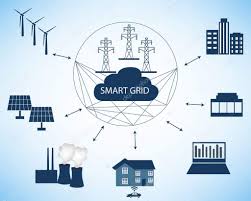
- Analyze the components and architecture of smart grids.
- Evaluate the benefits and challenges of integrating renewable energy into smart grids.
- Explore energy management systems and their applications in optimizing renewable resources.
- Assess the importance of data analytics and communication technologies in smart grids.
- Identify regulatory frameworks and policies governing smart grid implementation.
- Discuss the economic aspects of smart grid investments and renewable energy projects.
- Examine best practices for stakeholder engagement in smart grid initiatives.
- Investigate the environmental impacts of smart grid technologies.
- Explore future trends and innovations in smart grid and renewable energy integration.
- Develop strategies for overcoming barriers to smart grid adoption.
- Create actionable plans for implementing smart grid solutions in various contexts.
- Foster collaboration among stakeholders to enhance smart grid deployment.
Target Audience
- Energy professionals and engineers
- Project managers in renewable energy
- Policy makers and regulators
- Utility and grid operators
- Environmental scientists and researchers
- Graduate students in energy or environmental studies
- Corporate sustainability officers
- Non-profit organization leaders focused on renewable energy
Course Duration: 5 Days
Course Modules
Module 1: Introduction to Smart Grids
- Overview of smart grid concepts and technologies.
- Importance of smart grids in renewable energy integration.
- Key terminology and definitions in smart grid management.
- Challenges and opportunities in current energy systems.
- Case studies on successful smart grid implementations.
Module 2: Smart Grid Architecture and Components
- Understanding the structure of smart grid systems.
- Key components: sensors, advanced metering, and communication networks.
- Role of distributed energy resources (DER) in smart grids.
- Evaluating grid reliability and resilience.
- Case studies on innovative smart grid designs
Module 3: Energy Management Systems (EMS)
- Overview of energy management systems and their functionalities.
- Applications of EMS in optimizing renewable energy use.
- Real-time monitoring and control of energy flows.
- Impact of EMS on energy efficiency and cost savings.
- Case studies on effective EMS implementations.
Module 4: Data Analytics and Communication Technologies
- Importance of data analytics in smart grid operations.
- Overview of communication technologies used in smart grids.
- Analyzing data for predictive maintenance and performance optimization.
- Cybersecurity considerations in smart grid data management.
- Case studies on successful data analytics applications.
Module 5: Regulatory Frameworks and Policies
- Overview of policies supporting smart grid development.
- Understanding regulatory requirements for smart grid projects.
- Evaluating compliance with local and national standards.
- Role of government in promoting smart grid technologies.
- Case studies on regulatory challenges and solutions.
Module 6: Economic Aspects of Smart Grids
- Analyzing the economics of smart grid technologies.
- Understanding financing options for smart grid projects.
- Evaluating cost-benefit analyses of smart grid investments.
- Exploring incentives and subsidies for renewable energy integration.
- Case studies on financial models for smart grid projects.
Module 7: Stakeholder Engagement in Smart Grid Initiatives
- Importance of stakeholder engagement in smart grid development.
- Techniques for effective communication with stakeholders.
- Building partnerships for successful project implementation.
- Addressing community concerns and expectations.
- Case studies on successful stakeholder engagement strategies.
Module 8: Future Trends and Innovations in Smart Grids
- Exploring innovations in smart grid technologies and practices.
- Impact of digitalization and IoT on energy management.
- Predictions for the future of smart grids and renewable energy markets.
- Discussion of sustainability in smart grid development.
- Case studies on cutting-edge advancements in smart grid technology.
Training Methodology
- Interactive Workshops: Facilitated discussions, group exercises, and problem-solving activities.
- Case Studies: Real-world examples to illustrate successful community-based surveillance practices.
- Role-Playing and Simulations: Practice engaging communities in surveillance activities.
- Expert Presentations: Insights from experienced public health professionals and community leaders.
- Group Projects: Collaborative development of community surveillance plans.
- Action Planning: Development of personalized action plans for implementing community-based surveillance.
- Digital Tools and Resources: Utilization of online platforms for collaboration and learning.
- Peer-to-Peer Learning: Sharing experiences and insights on community engagement.
- Post-Training Support: Access to online forums, mentorship, and continued learning resources.
Register as a group from 3 participants for a Discount
Send us an email: info@datastatresearch.org or call +254724527104
Certification
Upon successful completion of this training, participants will be issued with a globally recognized certificate.
Tailor-Made Course
We also offer tailor-made courses based on your needs.
Key Notes
- Participants must be conversant in English.
- Upon completion of training, participants will receive an Authorized Training Certificate.
- The course duration is flexible and can be modified to fit any number of days.
- Course fee includes facilitation, training materials, 2 coffee breaks, buffet lunch, and a Certificate upon successful completion.
- One-year post-training support, consultation, and coaching provided after the course.
- Payment should be made at least a week before the training commencement to DATASTAT CONSULTANCY LTD account, as indicated in the invoice, to enable better preparation.