Training Course on Project Governance and Stage Gate Management
Training Course on Project Governance and Stage Gate Management participants with the knowledge and practical skills to design, implement, and optimize project governance structures and stage gate processes within their organizations
Course Overview
Training Course on Project Governance and Stage Gate Management
Introduction
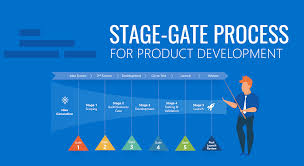
In today's dynamic business landscape, project success hinges on robust frameworks that ensure alignment with strategic objectives and efficient resource utilization. This training course delves into the critical disciplines of Project Governance and Stage Gate Management, providing a comprehensive understanding of how these methodologies work in tandem to steer projects towards successful outcomes. Project Governance establishes the decision-making framework, defining roles, responsibilities, and processes to guide project execution and ensure accountability. Stage Gate Management, a complementary approach, divides projects into distinct phases, each followed by a "gate" where progress is rigorously evaluated against predefined criteria, enabling informed Go/No-Go decisions. Mastering these interconnected disciplines empowers organizations to mitigate risks, optimize investments, and consistently deliver value through their project portfolios.
This intensive training program equips participants with the knowledge and practical skills to design, implement, and optimize project governance structures and stage gate processes within their organizations. By understanding the core principles and practical application of these methodologies, attendees will be able to enhance project selection, improve resource allocation, foster stakeholder engagement, and ultimately increase the likelihood of achieving strategic goals. The course emphasizes the importance of tailoring these frameworks to specific organizational contexts and project types, ensuring a flexible and effective approach to project delivery. Through interactive sessions, case studies, and practical exercises, participants will gain the confidence to champion and implement best practices in project governance and stage gate management, driving significant improvements in project performance and organizational success.
Course Duration
10 days
Course Objectives
Upon completion of this training course, participants will be able to:
- Gain a comprehensive understanding of various project governance models and their applicability.
- Learn to establish clear roles, responsibilities, and decision-making processes within projects.
- Develop the skills to design and implement stage gate processes tailored to different project lifecycles.
- Define and utilize effective criteria for evaluating project progress at each stage gate.
- Utilize governance and stage gate principles for more informed project prioritization and selection.
- Integrate risk assessment and mitigation strategies within the stage gate framework.
- Employ stage gate reviews to make data-driven decisions regarding resource allocation throughout the project lifecycle.
- Develop strategies for effective communication and engagement with stakeholders throughout the project.
- Utilize governance structures and stage gates to control scope creep and maintain project focus.
- Establish clear lines of accountability through well-defined governance roles and responsibilities.
- Align project objectives and outcomes with overarching organizational strategic goals.
- Leverage stage gate reviews and performance data for informed project decisions.
- Customize and scale governance and stage gate processes to suit diverse project needs and organizational contexts.
Organizational Benefits
- Improved Project Success Rates.
- Enhanced Resource Efficiency.
- Reduced Project Risks
- Better Alignment with Strategic Goals
- Increased Stakeholder Satisfaction.
- Faster Time-to-Market for Successful Products/Services.
- Enhanced Decision-Making Capabilities
- Improved Project Portfolio Management
- Greater Accountability and Transparency.
- Continuous Improvement in Project Delivery.
Target Audience
- Project Managers
- Program Managers
- Portfolio Managers
- PMO (Project Management Office) Staff.
- Project Sponsors
- Business Analysts.
- Team Leaders:
- Senior Management
Course Outline
Module 1: Introduction to Project Governance
- Defining Project Governance: Concepts, principles, and importance.
- The Relationship Between Project Governance and Organizational Governance.
- Key Elements of an Effective Project Governance Framework.
- Different Models and Frameworks for Project Governance.
- The Role of Project Governance in Achieving Strategic Objectives.
Module 2: Establishing Governance Structures and Roles
- Identifying Key Stakeholders and Their Roles in Project Governance.
- Defining Roles and Responsibilities: RACI Matrix and other tools.
- Setting up Governance Committees and Steering Committees.
- The Role and Responsibilities of the Project Sponsor.
- Establishing Effective Communication and Reporting Structures.
Module 3: Introduction to Stage Gate Management
- Understanding the Stage Gate Process: Concepts and benefits.
- The Typical Stages and Gates in a Stage Gate Model.
- Customizing the Stage Gate Process for Different Project Types.
- The Importance of Gate Reviews and Decision Points.
- Integrating Stage Gate Management with Project Governance.
Module 4: Stage 1: Idea Generation and Screening
- Techniques for Generating Project Ideas and Opportunities.
- Establishing Initial Screening Criteria for New Ideas.
- Conducting Preliminary Feasibility Assessments.
- Developing a Basic Project Proposal or Concept Document.
- The Go/No-Go Decision at the First Gate.
Module 5: Stage 2: Preliminary Investigation and Scoping
- Conducting Market Research and Analysis.
- Defining the Project Scope and Objectives in Detail.
- Identifying Key Deliverables and Milestones.
- Developing an Initial Project Plan and Timeline.
- Preparing a Preliminary Business Case.
Module 6: Stage 3: Business Case Development
- Developing a Comprehensive Business Case: Financial analysis, ROI, benefits.
- Assessing Technical and Operational Feasibility.
- Identifying and Analyzing Potential Risks and Mitigation Strategies.
- Developing a Detailed Project Budget and Resource Plan.
- Securing Approval at the Critical Business Case Gate.
Module 7: Stage 4: Development and Execution
- Managing Project Execution According to the Project Plan.
- Implementing Quality Assurance Processes.
- Monitoring Progress and Performance Against Key Metrics.
- Managing Changes and Issues Effectively.
- Regular Reporting and Communication to Stakeholders.
Module 8: Stage 5: Testing and Validation
- Planning and Conducting Thorough Testing and Validation.
- Gathering User Feedback and Making Necessary Adjustments.
- Ensuring the Project Meets Defined Requirements and Standards.
- Preparing for Final Deployment or Launch.
- The Final Gate Review Before Implementation.
Module 9: Stage 6: Implementation and Launch
- Executing the Project Implementation or Product Launch Plan.
- Managing the Transition and Cutover Processes.
- Providing Necessary Training and Support to End-Users.
- Monitoring Initial Performance and Addressing any Issues.
- Formal Project Closure and Stakeholder Sign-off.
Module 10: Gate Reviews: Decision Making and Criteria
- Defining Clear and Measurable Criteria for Gate Reviews.
- Establishing the Gate Review Team and Their Responsibilities.
- Conducting Effective Gate Review Meetings.
- Documenting Gate Review Outcomes and Decisions.
- Handling Different Outcomes: Go, No-Go, Hold, Recycle.
Module 11: Risk Management within Governance and Stage Gates
- Identifying and Assessing Project Risks at Each Stage.
- Developing Risk Mitigation and Contingency Plans.
- Integrating Risk Management into Gate Review Criteria.
- Monitoring and Controlling Risks Throughout the Project Lifecycle.
- Escalating Critical Risks Through the Governance Structure.
Module 12: Stakeholder Engagement and Communication
- Identifying and Analyzing Project Stakeholders.
- Developing a Stakeholder Communication Plan.
- Engaging Stakeholders Effectively at Each Stage Gate.
- Managing Stakeholder Expectations and Concerns.
- Utilizing Governance Structures for Stakeholder Communication.
Module 13: Adapting and Scaling Governance and Stage Gates
- Tailoring Governance and Stage Gate Processes to Different Project Sizes and Types.
- Implementing Agile Principles within a Stage Gate Framework.
- Scaling Governance for Large and Complex Projects.
- Overcoming Common Challenges in Implementing Governance and Stage Gates.
- Continuous Improvement of Governance and Stage Gate Processes.
Module 14: Tools and Technologies for Project Governance and Stage Gates
- Overview of Project Management Software and Tools.
- Utilizing Collaboration Platforms for Communication and Documentation.
- Data Analytics and Reporting Tools for Project Performance.
- Tools for Risk Management and Issue Tracking.
- Leveraging Technology to Enhance Governance and Stage Gate Efficiency.
Module 15: Case Studies and Best Practices
- Analyzing Real-World Case Studies of Successful Project Governance and Stage Gate Implementation.
- Identifying Common Pitfalls and Lessons Learned.
- Exploring Industry Best Practices in Project Governance and Stage Gate Management.
- Applying Course Concepts to Participants' Own Organizational Contexts.
- Developing Action Plans for Implementing Improvements.
Training Methodology
This training course will utilize a blended learning approach incorporating:
- Interactive Lectures: Engaging presentations covering key concepts and principles.
- Group Discussions: Facilitating the exchange of ideas and experiences among participants.
- Case Study Analysis: Applying learned concepts to real-world scenarios and challenges.
- Practical Exercises: Hands-on activities to reinforce understanding and develop skills.
- Templates and Tools: Providing participants with practical resources for immediate application.
- Q&A Sessions: Opportunities for participants to address specific questions and concerns.
- Best Practice Sharing: Encouraging participants to share their own experiences and insights.
- Role-Playing: Simulating gate review meetings and governance discussions.
Register as a group from 3 participants for a Discount
Send us an email: info@datastatresearch.org or call +254724527104
Certification
Upon successful completion of this training, participants will be issued with a globally- recognized certificate.
Tailor-Made Course
We also offer tailor-made courses based on your needs.
Key Notes
a. The participant must be conversant with English.
b. Upon completion of training the participant will be issued with an Authorized Training Certificate
c. Course duration is flexible and the contents can be modified to fit any number of days.
d. The course fee includes facilitation training materials, 2 coffee breaks, buffet lunch and A Certificate upon successful completion of Training.
e. One-year post-training support Consultation and Coaching provided after the course.
f. Payment should be done at least a week before commence of the training, to DATASTAT CONSULTANCY LTD account, as indicated in the invoice so as to enable us prepare better for you.