Training course on Process Evaluations and Implementation Fidelity in Social Protection
Training Course on Process Evaluations and Implementation Fidelity in Social Protection is meticulously designed to equip with the advanced theoretical insights and intensive practical tools
Skills Covered
Course Overview
Training Course on Process Evaluations and Implementation Fidelity in Social Protection
Introduction
Process Evaluations and Implementation Fidelity in Social Protection is a critical and often overlooked area of Monitoring and Evaluation (M&E) that focuses on understanding how social protection programs are delivered and whether they are implemented as intended. While impact evaluations assess whether a program works, process evaluations delve into the "black box" of implementation, providing crucial insights into program operations, challenges, and the quality of delivery. Implementation fidelity, a core component of process evaluation, specifically measures the extent to which a program adheres to its design, ensuring that observed outcomes (or lack thereof) can be accurately attributed. This specialized field is essential for identifying bottlenecks, optimizing program efficiency, and ensuring that social protection interventions are delivered effectively to reach their intended beneficiaries.
Training Course on Process Evaluations and Implementation Fidelity in Social Protection is meticulously designed to equip with the advanced theoretical insights and intensive practical tools necessary to excel in Process Evaluations and Implementation Fidelity in Social Protection. We will delve into the foundational concepts of process evaluation, master the intricacies of designing robust methodologies for assessing implementation, and explore cutting-edge approaches to data collection, analysis, and linking findings to program improvement. A significant focus will be placed on hands-on application, analyzing real-world complex social protection programs, and developing tailored process evaluation plans. By integrating industry best practices, analyzing complex case studies, and engaging in intensive practical exercises, attendees will develop the strategic acumen to confidently champion and implement rigorous process evaluations, fostering unparalleled program quality, efficiency, and accountability.
Course Objectives
Upon completion of this course, participants will be able to:
- Analyze the fundamental concepts of process evaluation and its strategic importance in social protection.
- Comprehend the definition and dimensions of implementation fidelity in program delivery.
- Master the key components of a comprehensive process evaluation framework.
- Develop expertise in designing process evaluation research questions and methodologies.
- Formulate strategies for collecting qualitative and quantitative data for process evaluations.
- Understand the critical role of document review and observation in assessing implementation.
- Implement robust approaches to analyzing process evaluation data and identifying patterns.
- Explore key strategies for linking process evaluation findings to program improvement and adaptive management.
- Apply methodologies for assessing program reach, dose, and participant responsiveness.
- Understand and address ethical considerations in conducting process evaluations.
- Develop preliminary skills in reporting and communicating process evaluation insights.
- Design a tailored process evaluation plan for a social protection program.
- Examine global best practices and lessons learned in process evaluations for social protection.
Target Audience
This course is essential for professionals involved in the delivery and oversight of social protection programs:
- Social Protection Program Managers: Responsible for overseeing program operations.
- M&E Specialists & Officers: Designing and conducting monitoring and evaluation activities.
- Field Staff & Implementers: Directly involved in program delivery.
- Government Officials: From ministries responsible for program implementation.
- Development Practitioners: From NGOs and international organizations.
- Internal Auditors: Assessing program efficiency and compliance.
- Researchers: Studying program implementation and effectiveness.
- Consultants: Providing evaluation services.
Course Duration: 5 Days
Course Modules
Module 1: Foundations of Process Evaluation
- Define process evaluation and its core purpose.
- Differentiate process evaluation from impact and outcome evaluations.
- Discuss why process evaluation is crucial for social protection programs.
- Understand the role of process evaluation in the program cycle.
- Identify key questions process evaluations aim to answer.
Module 2: Understanding Implementation Fidelity
- Comprehend the definition of implementation fidelity.
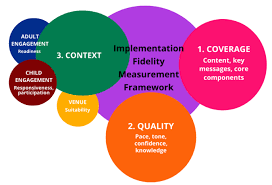
- Explore the key dimensions of fidelity: adherence, dose, reach, quality, and participant responsiveness.
- Discuss why fidelity is essential for attributing program outcomes.
- Understand the challenges in achieving high implementation fidelity.
- Analyze frameworks for assessing implementation fidelity.
Module 3: Key Components of Process Evaluation
- Master the core components of a comprehensive process evaluation.
- Learn to develop a process evaluation framework linked to a Theory of Change.
- Identify relevant process indicators (e.g., timeliness, coverage, quality of interaction).
- Understand how context influences program implementation.
- Discuss the interplay between program mechanisms and outcomes.
Module 4: Designing Process Evaluations
- Develop expertise in formulating clear process evaluation questions.
- Learn to select appropriate process evaluation designs (e.g., case studies, comparative studies).
- Understand how to define the scope and boundaries of a process evaluation.
- Plan for the resources and timeline required for a process evaluation.
- Practice designing a process evaluation plan for a social protection program
Module 5: Data Collection for Process Evaluations
- Formulate strategies for collecting diverse data for process evaluations.
- Learn to conduct Key Informant Interviews (KIIs) with program staff and beneficiaries.
- Master facilitation techniques for Focus Group Discussions (FGDs).
- Understand the value of direct observation of program activities.
- Explore the systematic review and analysis of program documents and administrative data.
Module 6: Analyzing Process Evaluation Data
- Implement robust approaches to analyzing qualitative process data (thematic analysis, content analysis).
- Learn to analyze quantitative process data (descriptive statistics, trends).
- Discuss methods for triangulating findings from multiple data sources.
- Identify patterns, bottlenecks, and facilitators in program implementation.
- Practice synthesizing findings to answer process evaluation questions.
Module 7: Linking Process Evaluation to Program Improvement
- Explore key strategies for using process evaluation findings for adaptive management.
- Learn to identify specific areas for program improvement and optimization.
- Discuss how to develop actionable recommendations from process insights.
- Understand the feedback loop from evaluation to program adjustments.
- Analyze case studies of process evaluations leading to program enhancements.
Module 8: Process Evaluation and Impact Evaluation Linkages
- Understand how process evaluation complements impact evaluation.
- Discuss how process findings can explain observed impacts (or lack thereof).
- Explore the use of process evaluation to strengthen future impact evaluations.
- Learn to integrate process and impact findings for a holistic understanding.
- Analyze examples where process evaluation clarified impact results.
Training Methodology
- Interactive Workshops: Facilitated discussions, group exercises, and problem-solving activities.
- Case Studies: Real-world examples to illustrate successful community-based surveillance practices.
- Role-Playing and Simulations: Practice engaging communities in surveillance activities.
- Expert Presentations: Insights from experienced public health professionals and community leaders.
- Group Projects: Collaborative development of community surveillance plans.
- Action Planning: Development of personalized action plans for implementing community-based surveillance.
- Digital Tools and Resources: Utilization of online platforms for collaboration and learning.
- Peer-to-Peer Learning: Sharing experiences and insights on community engagement.
- Post-Training Support: Access to online forums, mentorship, and continued learning resources.
Register as a group from 3 participants for a Discount
Send us an email: info@datastatresearch.org or call +254724527104
Certification
Upon successful completion of this training, participants will be issued with a globally recognized certificate.
Tailor-Made Course
We also offer tailor-made courses based on your needs.
Key Notes
- Participants must be conversant in English.
- Upon completion of training, participants will receive an Authorized Training Certificate.
- The course duration is flexible and can be modified to fit any number of days.
- Course fee includes facilitation, training materials, 2 coffee breaks, buffet lunch, and a Certificate upon successful completion.
- One-year post-training support, consultation, and coaching provided after the course.
- Payment should be made at least a week before the training commencement to DATASTAT CONSULTANCY LTD account, as indicated in the invoice, to enable better preparation.