Training Course on Principles of Data Minimization and Purpose Limitation
Training Course on Principles of Data Minimization and Purpose Limitation is designed to equip data professionals, privacy officers, and IT stakeholders with in-depth knowledge and practical tools to apply data minimization and purpose limitation in their daily operations.
Skills Covered
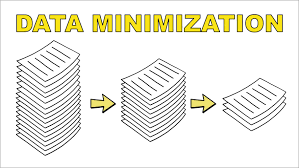
Course Overview
Training Course on Principles of Data Minimization and Purpose Limitation
Introduction
In today’s data-driven world, the principles of data minimization and purpose limitation are fundamental pillars of data protection and privacy compliance. With increasing global concerns around data security, GDPR enforcement, and cyber threats, organizations must adopt responsible data handling practices. Training Course on Principles of Data Minimization and Purpose Limitation is designed to equip data professionals, privacy officers, and IT stakeholders with in-depth knowledge and practical tools to apply data minimization and purpose limitation in their daily operations.
Participants will explore real-world case studies, learn how to integrate privacy by design, and ensure legal compliance in the collection, processing, and storage of personal data. This course provides a solid foundation for organizations looking to strengthen their data governance, mitigate legal risks, and build consumer trust by aligning data handling practices with ethical and regulatory standards.
Course Objectives
- Understand the core principles of data minimization under GDPR and other global regulations.
- Learn how to define and enforce purpose limitation policies across data operations.
- Identify risks of data over-collection and mitigate using strategic controls.
- Integrate privacy by design and default into business processes.
- Create effective data retention and deletion policies.
- Understand legal implications of non-compliance with purpose limitation.
- Build compliant data inventories and processing registers.
- Analyze real-world data breaches and their connection to minimization failures.
- Apply AI and machine learning responsibly within the bounds of purpose limitation.
- Develop and implement data access controls to prevent misuse.
- Conduct data protection impact assessments (DPIAs) with a focus on purpose.
- Collaborate across teams for cross-functional data compliance.
- Promote a privacy-first culture across the organization.
Target Audience
- Data Protection Officers (DPOs)
- Compliance Managers
- Privacy Consultants
- Legal Advisors
- IT Managers
- HR & Marketing Executives
- Risk & Audit Professionals
- Data Scientists & Analysts
Course Duration: 5 days
Course Modules
Module 1: Foundations of Data Minimization
- Definition and legal basis under GDPR
- Why less is more: impact on security and compliance
- Case study: Facebook’s data scandal and regulatory repercussions
- Techniques for minimizing data at collection
- Documentation and justification for data needs
- Risk of over-collection and regulatory audits
Module 2: Purpose Limitation Principles
- Understanding legitimate purposes
- Linking purpose to consent and legal bases
- Case study: Google Street View and purpose creep
- Managing purpose shifts over time
- Communicating purposes to data subjects
- Tools for aligning processing activities
Module 3: Embedding Privacy by Design
- Seven principles of privacy by design
- Integrating design thinking in data workflows
- Case study: Apple’s privacy-first product design
- Designing forms and APIs for minimization
- Aligning tech architecture with privacy goals
- Privacy by default implementation
Module 4: Data Mapping and Inventories
- Creating data flow diagrams
- Categorizing data based on sensitivity and use
- Case study: British Airways data breach analysis
- Inventory tools and compliance documentation
- Gap analysis and remediation planning
- Data minimization through mapping
Module 5: Retention & Deletion Best Practices
- Legal and regulatory retention timelines
- Developing automated deletion workflows
- Case study: Uber’s GDPR fine and retention policy failure
- Data lifecycle management techniques
- Creating a defensible deletion protocol
- Employee training on data expiration
Module 6: DPIAs and Risk Assessment
- When and how to conduct a DPIA
- Linking risk assessment to purpose limitation
- Case study: NHS COVID app and DPIA success
- Templates and DPIA documentation
- Assessing third-party processors
- Mitigating risks with minimal data
Module 7: AI, Analytics, and Data Minimization
- Ethical data use in AI models
- Case study: Amazon’s AI hiring bias incident
- Balancing data utility and privacy
- Anonymization and pseudonymization techniques
- Responsible algorithm design
- Data sampling over full access
Module 8: Building a Privacy-First Culture
- Role of leadership in privacy advocacy
- Embedding privacy in company values
- Case study: Microsoft’s global privacy program
- Training staff across departments
- Creating internal privacy champions
- Continuous improvement in privacy practices
Training Methodology
- Interactive lectures and expert-led discussions
- Live case study reviews and legal analysis
- Hands-on exercises with tools and templates
- Group projects to simulate data governance scenarios
- Quizzes and knowledge checks after each module
- Access to downloadable policy frameworks and guides
Register as a group from 3 participants for a Discount
Send us an email: info@datastatresearch.org or call +254724527104
Certification
Upon successful completion of this training, participants will be issued with a globally- recognized certificate.
Tailor-Made Course
We also offer tailor-made courses based on your needs.
Key Notes
a. The participant must be conversant with English.
b. Upon completion of training the participant will be issued with an Authorized Training Certificate
c. Course duration is flexible and the contents can be modified to fit any number of days.
d. The course fee includes facilitation training materials, 2 coffee breaks, buffet lunch and A Certificate upon successful completion of Training.
e. One-year post-training support Consultation and Coaching provided after the course.
f. Payment should be done at least a week before commence of the training, to DATASTAT CONSULTANCY LTD account, as indicated in the invoice so as to enable us prepare better for you.