Training Course on Marketing Strategy and Planning
This training course on Marketing Strategy & Planning delves into the critical components of developing effective marketing strategies that align with organizational goals.
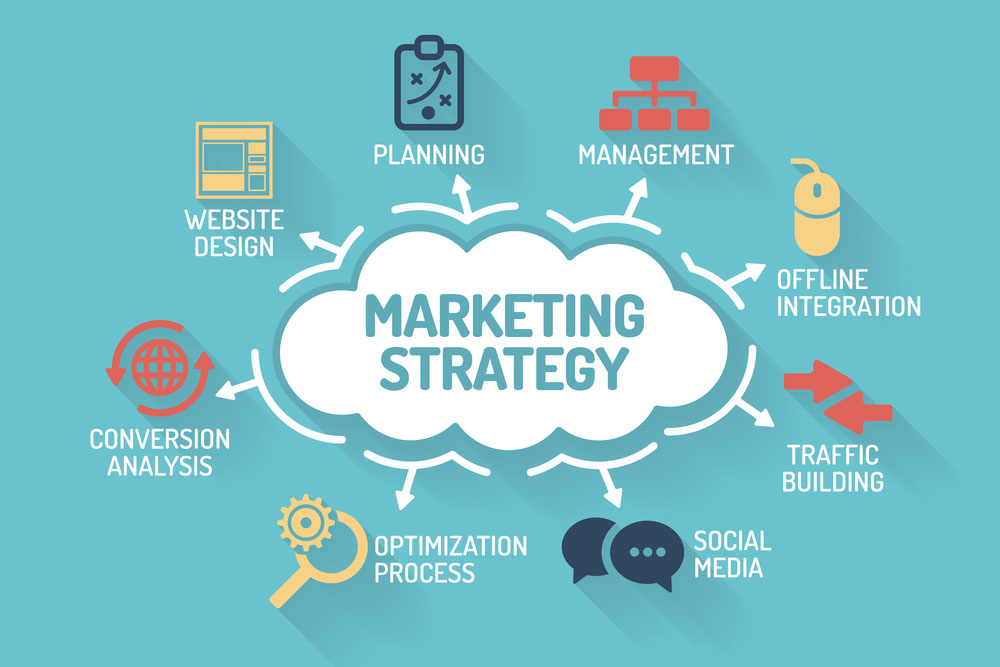
Course Overview
Training Course on Marketing Strategy & Planning
Introduction
In today's dynamic business environment, having a well-defined marketing strategy is essential for success. This training course on Marketing Strategy & Planning delves into the critical components of developing effective marketing strategies that align with organizational goals. Participants will learn how to conduct comprehensive market analyses, set measurable objectives, and create budgets that support their marketing initiatives. A robust marketing strategy serves as a roadmap for navigating competitive landscapes, understanding consumer behavior, and identifying opportunities for growth. By mastering strategic planning techniques, marketers can ensure that their efforts are focused and effective, maximizing ROI and enhancing brand visibility. This course empowers participants to think strategically, make informed decisions, and align their marketing activities with broader business objectives.
Through a combination of theoretical insights and practical applications, participants will gain the skills necessary to craft marketing strategies that drive results. From analyzing market trends to setting achievable goals and budgeting effectively, this course provides a comprehensive framework for successful marketing planning. Ultimately, participants will leave with the tools and knowledge needed to develop and implement strategies that not only meet but exceed their organization's marketing ambitions.
Course Objectives
- Understand the fundamentals of marketing strategy and its importance in business.
- Conduct thorough market analysis to identify opportunities and threats.
- Develop skills in setting SMART goals for marketing initiatives.
- Create effective marketing budgets that align with strategic objectives.
- Analyze competitive landscapes to inform strategic decisions.
- Leverage consumer insights to enhance marketing strategies.
- Explore various marketing channels and their strategic implications.
- Measure the effectiveness of marketing strategies and adjust as needed.
- Foster collaboration across departments for integrated marketing planning.
- Stay updated on emerging trends in marketing strategy and planning.
- Create a comprehensive marketing strategy document.
- Engage stakeholders in the strategy development process.
Target Audience
- Marketing Professionals
- Business Development Managers
- Brand Managers
- Product Managers
- Entrepreneurs and Startups
- Marketing Strategists
- Students in Marketing and Business
- Non-Profit Organization Leaders
Course Duration: 5 Days
Course Modules
Module 1: Introduction to Marketing Strategy
- Overview of marketing strategy and its significance.
- Key components of a successful marketing strategy.
- Differences between strategic planning and tactical execution.
- The role of marketing strategy in achieving business objectives.
- Case studies of effective marketing strategies.
Module 2: Conducting Market Analysis
- Techniques for gathering market data and insights.
- Understanding market segmentation and targeting.
- Analyzing industry trends and competitive landscapes.
- Tools for conducting SWOT (Strengths, Weaknesses, Opportunities, Threats) analysis.
- Practical exercises in market analysis.
Module 3: Setting SMART Goals
- Understanding the importance of goal setting in marketing.
- Techniques for creating Specific, Measurable, Achievable, Relevant, and Time-bound (SMART) goals.
- Aligning marketing goals with overall business objectives.
- Strategies for prioritizing marketing initiatives based on goals.
- Case studies of successful goal-setting in marketing.
Module 4: Budgeting for Marketing Initiatives
- Importance of budgeting in marketing strategy.
- Techniques for creating and managing marketing budgets.
- Allocating resources effectively across marketing channels.
- Understanding ROI and cost-per-acquisition metrics.
- Tools for tracking and reporting on marketing expenses.
Module 5: Analyzing Competitive Landscapes
- Techniques for identifying and analyzing competitors.
- Understanding competitive positioning and differentiation.
- Utilizing Porter's Five Forces model for competitive analysis.
- Strategies for responding to competitive threats.
- Case studies of brands navigating competitive challenges.
Module 6: Leveraging Consumer Insights
- Importance of understanding consumer behavior in strategy development.
- Techniques for gathering and analyzing consumer insights.
- Creating consumer personas to inform marketing strategies.
- Utilizing feedback loops for continuous improvement.
- Examples of data-driven decision-making in marketing.
Module 7: Exploring Marketing Channels
- Overview of various marketing channels (digital, traditional, etc.).
- Understanding the strategic implications of each channel.
- Techniques for integrating multi-channel marketing efforts.
- Case studies of successful multi-channel campaigns.
- Best practices for channel selection based on target audience.
Training Methodology
- Interactive Workshops: Engaging discussions and hands-on activities.
- Practical Demonstrations: Real-world applications of marketing strategy tools.
- Group Projects: Collaborative problem-solving and strategy development.
- Expert Presentations: Insights from industry leaders and practitioners.
- Case Studies: Analyzing successful marketing strategies.
This course is designed to equip participants with the skills necessary to develop effective marketing strategies and plans, ensuring align