Training Course on Marine Engineering
Training Course on Marine Engineering is meticulously designed to equip individuals with the fundamental and advanced knowledge and practical skills essential for a successful career in this dynamic sector.
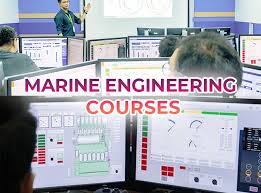
Course Overview
Training Course on Marine Engineering
Introduction
The maritime industry is a cornerstone of global trade and transportation, demanding highly skilled professionals in the critical field of Marine Engineering. This comprehensive training program is meticulously designed to equip individuals with the fundamental and advanced knowledge and practical skills essential for a successful career in this dynamic sector. By focusing on core principles of naval architecture, marine propulsion systems, and shipboard machinery, the course ensures participants gain a thorough understanding of the operational and maintenance aspects of modern vessels. Furthermore, the curriculum integrates crucial elements of maritime safety regulations, environmental compliance, and the latest technological advancements in ship automation and digitalization. This program addresses the growing demand for qualified marine engineers worldwide, offering a pathway to professional growth and specialization within the maritime domain.
This intensive training goes beyond theoretical knowledge by emphasizing hands-on experience and practical application. Participants will engage in realistic simulations, case studies, and potentially shipyard visits to bridge the gap between classroom learning and real-world scenarios. The course structure promotes a deep understanding of marine engineering principles, fostering critical thinking and problem-solving abilities vital for troubleshooting complex technical issues onboard vessels. By covering topics ranging from fluid mechanics and thermodynamics to electrical systems and control engineering, the program provides a holistic view of ship operations. Graduates will be well-prepared to contribute effectively to the safety, efficiency, and sustainability of maritime operations, making them highly sought-after professionals in the global maritime industry.
Course Duration
10 days
Course Objectives
This Marine Engineering training course aims to equip participants with the following key skills and knowledge:
- Understanding Marine Propulsion Systems: Comprehend the operational principles and maintenance of various marine engines, including diesel, gas turbine, and hybrid systems.
- Mastering Naval Architecture Fundamentals: Gain a solid understanding of ship hull design, stability, and hydrodynamics.
- Operating Shipboard Machinery: Develop proficiency in the operation and maintenance of auxiliary machinery such as pumps, compressors, and heat exchangers.
- Applying Maritime Safety Regulations: Learn and apply international and national maritime safety standards and procedures.
- Ensuring Environmental Compliance: Understand and implement regulations related to marine environmental protection and pollution prevention.
- Troubleshooting Marine Electrical Systems: Develop skills in diagnosing and resolving issues in shipboard electrical power generation and distribution systems.
- Implementing Automation and Control Systems: Understand the principles and application of ship automation technologies and control systems.
- Managing Marine Engineering Maintenance: Learn effective strategies for planned maintenance, condition monitoring, and repair procedures.
- Applying Fluid Mechanics and Thermodynamics: Utilize principles of fluid mechanics and thermodynamics in marine engineering applications.
- Understanding Materials Science in Marine Environments: Gain knowledge of the properties and corrosion prevention of materials used in shipbuilding.
- Utilizing Digitalization in Maritime Operations: Understand the role and application of digital technologies in modern shipping.
- Comprehending Shipyard Practices: Gain insights into the processes involved in ship construction and repair in shipyards.
- Developing Problem-Solving Skills: Enhance analytical and technical problem-solving abilities in a marine engineering context.
Organizational Benefits
Organizations that invest in this Marine Engineering training program will experience several key benefits:
- Enhanced Operational Efficiency: Well-trained engineers ensure smoother operations and reduced downtime.
- Improved Safety Record: Comprehensive safety training leads to fewer accidents and incidents.
- Reduced Maintenance Costs: Proactive maintenance skills minimize major repairs and prolong equipment life.
- Compliance with Regulations: Trained personnel ensure adherence to evolving maritime regulations.
- Increased Employee Competence and Confidence: Equipping staff with the necessary skills boosts morale and productivity.
- Better Asset Management: Skilled engineers contribute to the effective management and maintenance of valuable ship assets.
- Attraction and Retention of Talent: Investing in employee development makes the organization more attractive to skilled professionals.
- Innovation and Adaptability: A knowledgeable workforce is better equipped to adopt new technologies and practices.
Target Audience
- Aspiring Marine Engineers
- Junior Marine Engineers
- Engine Cadets and Trainees
- Shore-Based Technical Staff in Shipping Companies
- Naval Personnel transitioning to civilian roles
- Superintendents and Technical Managers
- Individuals seeking a career change into the maritime sector
- Professionals in related industries (e.g., offshore oil & gas)
Course Outline
Module 1: Fundamentals of Marine Engineering
- Introduction to the maritime industry and ship types.
- Basic principles of naval architecture and ship stability.
- Overview of shipboard systems and machinery.
- Safety regulations and emergency procedures at sea.
- Units of measurement and basic calculations in marine engineering.
Module 2: Marine Diesel Engines
- Principles of operation of two-stroke and four-stroke diesel engines.
- Components and systems of marine diesel engines (fuel, lubrication, cooling, exhaust).
- Performance characteristics and efficiency of diesel engines.
- Maintenance and troubleshooting of diesel engines.
- Latest advancements in diesel engine technology.
Module 3: Marine Steam Turbines and Gas Turbines
- Principles of operation of steam turbines and gas turbines.
- Components and systems of marine steam and gas turbine plants.
- Performance characteristics and applications in marine propulsion.
- Maintenance and operational considerations for turbines.
- Comparison of steam and gas turbine propulsion.
Module 4: Ship Propulsion Systems
- Types of propellers and their characteristics.
- Shafting arrangements and power transmission systems.
- Steering gear and maneuvering systems.
- Alternative propulsion methods (e.g., podded drives, waterjets).
- Efficiency and environmental considerations in propulsion.
Module 5: Shipboard Auxiliary Machinery
- Operation and maintenance of pumps and pumping systems.
- Air compressors and compressed air systems.
- Heat exchangers and cooling systems.
- Refrigeration and air conditioning systems.
- Deck machinery (winches, cranes, mooring equipment).
Module 6: Marine Electrical Systems
- Principles of electricity and magnetism in a marine context.
- Shipboard power generation and distribution systems.
- Electrical motors and control systems.
- Lighting systems and safety devices.
- Troubleshooting common electrical faults on ships.
Module 7: Automation and Control Engineering
- Fundamentals of control systems and instrumentation.
- Automated monitoring and control of shipboard machinery.
- Programmable Logic Controllers (PLCs) in marine applications.
- Integrated bridge systems and navigation aids.
- Cybersecurity considerations in marine automation.
Module 8: Marine Hydraulics and Pneumatics
- Principles of hydraulic and pneumatic systems.
- Hydraulic power units and actuators.
- Pneumatic control systems and components.
- Applications of hydraulics and pneumatics on ships.
- Maintenance and safety aspects of hydraulic and pneumatic systems.
Module 9: Marine Materials and Corrosion
- Properties of materials commonly used in shipbuilding.
- Types of corrosion and their effects on marine structures.
- Methods of corrosion prevention and control (coatings, cathodic protection).
- Welding and fabrication techniques in shipbuilding.
- Non-destructive testing methods for marine structures.
Module 10: Maritime Safety and Emergency Procedures
- International Maritime Organization (IMO) regulations and conventions (SOLAS, MARPOL).
- Life-saving appliances and fire-fighting equipment.
- Emergency response plans and procedures.
- Personal safety and occupational health on board ships.
- Risk assessment and management in maritime operations.
Module 11: Marine Environmental Protection
- International and national regulations for marine pollution prevention.
- Management of oil, sewage, and garbage on board ships.
- Ballast water management and invasive species.
- Air emissions from ships and control technologies.
- Sustainable practices in the maritime industry.
Module 12: Ship Construction and Repair
- Shipyard layout and organization.
- Stages of ship construction and assembly.
- Dry-docking procedures and hull maintenance.
- Repair techniques for ship structures and machinery.
- Quality control and inspection in shipbuilding and repair.
Module 13: Marine Engineering Management and Legislation
- Principles of marine engineering management.
- International and national maritime legislation and regulations.
- Survey and certification of ships and machinery.
- Crew management and training requirements.
- Legal aspects of marine incidents and ?? ??.
Module 14: Digitalization and Future Trends in Marine Engineering
- Introduction to digital technologies in the maritime industry.
- Big data analytics and predictive maintenance.
- Autonomous shipping and remote monitoring.
- Use of simulation and virtual reality in training.
- Future fuels and sustainable energy sources for ships.
Module 15: Practical Applications and Case Studies
- Real-world case studies of marine engineering challenges and solutions.
- Practical exercises in troubleshooting and maintenance.
- Simulation of shipboard operations and emergency scenarios.
- Guest lectures from industry professionals.
- Potential for shipyard visits or onboard training (subject to availability).
Training Methodology
- Classroom Sessions: Lectures and discussions led by industry experts.
- Practical Workshops: Hands-on training using real-world marine equipment and simulation software.
- Case Studies: In-depth analysis of real-world maritime issues.
- Assessments: Periodic quizzes and assignments to track progress.
- Site Visits: Exposure to working ships and maritime facilities.
Register as a group from 3 participants for a Discount
Send us an email: info@datastatresearch.org or call +254724527104
Certification
Upon successful completion of this training, participants will be issued with a globally- recognized certificate.
Tailor-Made Course
We also offer tailor-made courses based on your needs.
Key Notes
a. The participant must be conversant with English.
b. Upon completion of training the participant will be issued with an Authorized Training Certificate
c. Course duration is flexible and the contents can be modified to fit any number of days.
d. The course fee includes facilitation training materials, 2 coffee breaks, buffet lunch and A Certificate upon successful completion of Training.
e. One-year post-training support Consultation and Coaching provided after the course.
f. Payment should be done at least a week before commence of the training, to DATASTAT CONSULTANCY LTD account, as indicated in the invoice so as to enable us prepare better for you.