Training Course on Marine Conservation
Training Course on Marine Conservation is designed to cultivate a new generation of marine conservation professionals and advocates. Participants will gain in-depth knowledge of oceanography, marine biology, and the impacts of climate change on oceans.
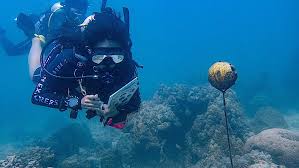
Course Overview
Training Course on Marine Conservation
Introduction
The escalating threats to our ocean ecosystems, including marine pollution, overfishing, and coral reef degradation, necessitate urgent and effective conservation action. This comprehensive Marine Conservation Training Course equips participants with critical knowledge and practical skills to address these challenges. By focusing on marine biodiversity, sustainable fisheries, and the establishment of marine protected areas (MPAs), this program empowers individuals to become active stewards of our planet's vital marine resources. Strong emphasis is placed on understanding the interconnectedness of coastal communities and the ocean environment, promoting solutions that are both ecologically sound and socially responsible.
This intensive training program is designed to cultivate a new generation of marine conservation professionals and advocates. Participants will gain in-depth knowledge of oceanography, marine biology, and the impacts of climate change on oceans. The course explores various conservation strategies, including habitat restoration, species protection, and marine resource management. Through a blend of theoretical learning and practical application, attendees will develop the expertise needed to contribute meaningfully to the preservation of our precious marine ecosystems for future generations.
Course Duration
10 days
Course Objectives
- Understand the fundamental principles of marine ecology and ocean biodiversity.
- Identify and analyze the key threats to ocean health, including plastic pollution in oceans and ocean acidification.
- Develop practical skills in marine habitat restoration techniques, such as coral reef restoration and mangrove conservation.
- Learn effective strategies for sustainable fisheries management and combating illegal, unreported, and unregulated (IUU) fishing.
- Gain expertise in the planning and management of marine protected areas (MPAs) and ocean sanctuaries.
- Understand the impacts of climate change on marine ecosystems, including sea-level rise and ocean warming.
- Develop skills in marine wildlife conservation, focusing on endangered marine species and marine animal welfare.
- Learn about the role of coastal communities in marine conservation and promote community-based conservation.
- Acquire knowledge of marine conservation law and international regulations governing ocean governance.
- Master techniques for marine data collection and oceanographic research.
- Develop effective communication and advocacy skills for ocean conservation awareness.
- Explore innovative solutions for marine debris removal and the reduction of ocean plastic.
- Understand the principles of sustainable ocean economy and blue economy initiatives.
Organizational Benefits
- Enhanced Reputation: Demonstrates a commitment to environmental sustainability and corporate social responsibility, improving public image and stakeholder trust.
- Risk Mitigation: Provides employees with the knowledge to identify and mitigate potential environmental risks associated with marine environments.
- Compliance: Ensures adherence to environmental regulations and promotes best practices in marine-related activities.
- Innovation: Fosters a culture of environmental awareness, potentially leading to innovative solutions for sustainable practices.
- Employee Engagement: Attracts and retains environmentally conscious employees who are passionate about making a difference.
- Partnership Opportunities: Opens doors for collaboration with environmental organizations and government agencies on conservation projects.
- Long-Term Sustainability: Contributes to the health of marine ecosystems, which are vital for various industries such as tourism and fisheries.
- Cost Savings: Implementing sustainable practices learned in the training can lead to reduced waste and resource consumption.
- Competitive Advantage: Positions the organization as an environmentally responsible leader in its sector.
- Improved Decision-Making: Equips employees with the knowledge to make informed decisions that consider environmental impacts.
Target Participants
- Environmental Scientists and Researchers specializing in marine biology and oceanography.
- Conservation Officers and Managers working in marine protected areas and coastal zone management.
- Policy Makers and Government Officials involved in marine resource management and ocean policy.
- Professionals in the fisheries industry seeking to implement sustainable fishing practices.
- Tourism Operators and Businesses aiming for eco-tourism certification and responsible marine tourism.
- Educators and Outreach Specialists developing marine conservation education programs.
- Students and Recent Graduates in environmental science, marine biology, and related fields pursuing careers in ocean conservation.
- Citizen Scientists and Volunteers actively involved in marine conservation initiatives and coastal cleanup efforts.
Course Outline
Module 1: Introduction to Marine Ecosystems
- Overview of global ocean biomes and their unique characteristics.
- Exploring the diversity of marine habitats, from coral reefs to deep-sea environments.
- Understanding the fundamental principles of marine food webs and energy flow.
- Introduction to key marine organisms and their ecological roles.
- The importance of ocean health for the planet and human well-being.
Module 2: Oceanography and Marine Processes
- Physical properties of seawater: salinity, temperature, and density.
- Understanding ocean currents and their influence on marine life.
- Exploring tidal patterns and their ecological significance in coastal areas.
- Introduction to wave dynamics and their impact on shorelines.
- The role of ocean circulation in global climate regulation.
Module 3: Marine Biodiversity and Conservation
- Assessing the current state of global marine biodiversity.
- Identifying keystone species and their importance in ecosystem stability.
- Understanding the concept of endemism and biodiversity hotspots in marine environments.
- The role of genetics in marine conservation efforts.
- Strategies for the conservation of marine genetic resources.
Module 4: Threats to Marine Environments - Pollution
- Sources and types of marine pollution: plastic, chemical, noise.
- The impact of plastic pollution on marine life and ecosystems.
- Understanding the effects of oil spills and other chemical contaminants.
- The consequences of noise pollution on marine animals.
- Strategies for marine pollution prevention and mitigation.
Module 5: Threats to Marine Environments - Overexploitation
- The impacts of overfishing on fish stocks and marine ecosystems.
- Understanding different fishing gear and their environmental effects.
- The problem of bycatch and its consequences for non-target species.
- The role of aquaculture in meeting seafood demand and its sustainability challenges.
- Strategies for promoting sustainable seafood consumption.
Module 6: Climate Change and the Oceans
- The science behind ocean warming and its effects on marine life.
- Understanding ocean acidification and its impact on shell-forming organisms.
- The consequences of sea-level rise for coastal habitats and communities.
- Changes in ocean currents and their ecological implications.
- Strategies for climate change adaptation and mitigation in marine contexts.
Module 7: Marine Protected Areas (MPAs)
- The concept and objectives of marine protected areas.
- Different types and levels of protection within MPAs.
- The process of MPA planning, design, and implementation.
- Effective management strategies for MPA governance and enforcement.
- The role of MPAs in biodiversity conservation and fisheries management.
Module 8: Coral Reef Ecology and Conservation
- The biology and ecology of coral reefs and their importance.
- Threats to coral reefs: bleaching, pollution, physical damage.
- Techniques for coral reef monitoring and assessment.
- Strategies for coral reef restoration and rehabilitation.
- The role of marine tourism in coral reef conservation.
Module 9: Mangrove and Seagrass Ecosystems
- The ecological importance of mangrove forests and seagrass beds.
- Threats to mangrove and seagrass ecosystems.
- Techniques for mangrove restoration and seagrass meadow conservation.
- The role of these ecosystems in coastal protection and carbon sequestration.
- Sustainable management practices for mangrove and seagrass resources.
Module 10: Marine Wildlife Conservation
- Conservation challenges facing marine mammals, sea turtles, and seabirds.
- Understanding marine animal behavior and ecology for effective conservation.
- Addressing threats such as entanglement, ship strikes, and habitat loss.
- Strategies for marine wildlife monitoring and population assessment.
- The role of wildlife rehabilitation and rescue efforts.
Module 11: Coastal Community Engagement in Conservation
- The importance of local knowledge and participation in marine conservation.
- Strategies for building community-based conservation initiatives.
- Addressing socio-economic factors in conservation planning.
- Promoting sustainable livelihoods linked to marine resources.
- Conflict resolution and stakeholder engagement in coastal management.
Module 12: Marine Conservation Law and Policy
- Overview of international ocean governance frameworks (e.g., UNCLOS).
- National marine conservation legislation and regulations.
- The role of international agreements in species protection and pollution control.
- Understanding environmental impact assessments for marine development.
- Advocacy and policy engagement for marine conservation.
Module 13: Marine Conservation Research and Monitoring
- Introduction to marine research methodologies and techniques.
- Principles of scientific data collection and analysis in marine environments.
- The use of remote sensing and GIS in ocean monitoring.
- Citizen science initiatives for marine data collection.
- Applying research findings to inform conservation management.
Module 14: Sustainable Ocean Economy and Blue Growth
- The concept of sustainable ocean economy and its principles.
- Exploring opportunities in sustainable fisheries, aquaculture, and marine tourism.
- The role of renewable energy (e.g., offshore wind) in the blue economy.
- Sustainable development of marine resources and biotechnology.
- Balancing economic development with ocean conservation goals.
Module 15: Marine Conservation Action and Advocacy
- Developing effective marine conservation action plans.
- Strategies for raising awareness and public engagement in ocean issues.
- Utilizing communication tools and social media for conservation advocacy.
- Building partnerships and collaborations for marine conservation projects.
- Exploring career pathways and opportunities in the field of marine conservation.
Training Methodology
This Marine Conservation Training Course will employ a blended learning approach, combining theoretical knowledge with practical application. The methodology will include:
- Interactive Lectures: Engaging presentations incorporating multimedia, case studies, and real-world examples to convey key concepts.
- Group Discussions: Facilitated sessions encouraging participants to share experiences, perspectives, and critically analyze conservation challenges.
- Practical Fieldwork: Hands-on activities such as coastal habitat assessments, water quality monitoring, and species identification exercises (location dependent).
- Case Study Analysis: In-depth examination of successful and unsuccessful marine conservation projects to extract valuable lessons.
- Role-Playing and Simulations: Interactive exercises to develop skills in stakeholder engagement, conflict resolution, and MPA management.
- Guest Speaker Sessions: Presentations by leading marine conservation experts, researchers, and practitioners.
- Project-Based Learning: Participants will work on a marine conservation project from planning to presentation, applying the knowledge and skills gained.
- Use of Technology: Online resources, interactive tools, and data analysis software will be integrated into the learning process.
- Visual Learning: Extensive use of videos, documentaries, and photographic evidence to illustrate marine ecosystems and conservation issues.
- Collaborative Learning: Encouraging peer-to-peer learning through group assignments and discussions.
- Reflective Practice: Activities designed to encourage participants to reflect on their learning and its application to their professional roles.
- Action Planning: Guidance on developing personal and organizational action plans for implementing marine conservation strategies.
- Assessment: A combination of quizzes, assignments, project presentations, and participation to evaluate learning outcomes.
Register as a group from 3 participants for a Discount
Send us an email: info@datastatresearch.org or call +254724527104
Certification
Upon successful completion of this training, participants will be issued with a globally- recognized certificate.
Tailor-Made Course
We also offer tailor-made courses based on your needs.
Key Notes
a. The participant must be conversant with English.
b. Upon completion of training the participant will be issued with an Authorized Training Certificate