Training Course on Leadership and Team Management in Construction
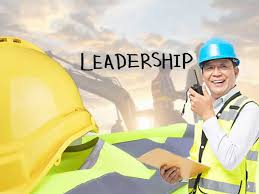
Training Course on Leadership and Team Management in Construction is meticulously designed to equip individuals with the essential tools and techniques to excel as construction leaders and foster high-performing construction teams.
Skills Covered
Course Overview
Training Course on Leadership and Team Management in Construction
Introduction
In the dynamic and demanding construction industry, effective leadership skills and robust team management strategies are paramount for project success. Training Course on Leadership and Team Management in Construction is meticulously designed to equip individuals with the essential tools and techniques to excel as construction leaders and foster high-performing construction teams. Participants will gain invaluable insights into communication strategies, conflict resolution, and motivational techniques specifically tailored to the unique challenges of the construction environment. By focusing on practical application and real-world scenarios, this course aims to cultivate a new generation of proactive and influential leaders within the built environment.
This program goes beyond theoretical concepts, delving into the practical aspects of team building in construction, performance management, and stakeholder engagement. Through interactive sessions and relevant case studies, learners will develop the ability to navigate complex project dynamics, drive project efficiency, and cultivate a culture of collaboration and accountability. Mastering delegation techniques, understanding diverse team roles, and implementing effective decision-making processes are key takeaways that will empower participants to lead with confidence and achieve exceptional results in their construction projects.
Course Duration
10 days
Course Objectives
Here are 13 objectives for your training course, incorporating trending keywords:
- Understand the fundamental principles of construction leadership and its impact on project outcomes.
- Develop effective communication strategies for construction teams and stakeholders.
- Master techniques for conflict resolution in construction projects to maintain productivity.
- Implement proven methods for motivating construction teams and enhancing job satisfaction.
- Learn practical approaches to team building activities for construction to foster cohesion.
- Apply effective delegation skills in construction management to optimize workload.
- Understand and navigate diverse team roles in construction projects for better collaboration.
- Implement structured performance management in construction to drive accountability.
- Develop strategies for effective stakeholder engagement in construction projects.
- Utilize decision-making frameworks in construction leadership for timely and informed choices.
- Apply risk management principles through proactive leadership in construction safety.
- Foster a culture of continuous improvement in construction teams through feedback and development.
- Leverage digital tools for construction team collaboration and communication efficiency.
Organizational Benefits
- Strong leadership and well-managed teams lead to better coordination, reduced errors, and faster project completion times.
- Equipping leaders with effective communication skills minimizes misunderstandings and fosters clearer information flow across project teams.
- Training in conflict resolution provides leaders with the skills to address issues proactively, minimizing costly delays and negative impacts.
- Motivated and well-led teams experience higher job satisfaction, leading to reduced turnover and a more stable workforce.
- Understanding team roles and dynamics fosters a more collaborative environment, leading to improved problem-solving and innovation.
- Effective leadership ensures adherence to quality standards and promotes a culture of excellence within project teams.
- Leaders trained in stakeholder engagement can build trust and manage expectations effectively, leading to smoother project delivery.
- Leadership focused on safety protocols and communication contributes to a safer work environment and reduces accidents.
- Investing in leadership training cultivates a pipeline of skilled individuals ready to take on greater responsibilities.
- Ultimately, improved efficiency, reduced errors, and better team performance contribute to healthier project margins and overall profitability.
Target Audience
- Project Managers.
- Construction Superintendents.
- Foremen and Crew Leaders.
- Engineers (Civil, Structural, Mechanical, Electrical).
- Architects.
- Construction Business Owners and Executives.
- Emerging Leaders.
- Safety Managers.
Course Outline
Module 1: Foundations of Leadership in Construction
- Defining leadership vs. management in the construction context.
- Exploring different leadership styles and their effectiveness in construction.
- Understanding the key traits and competencies of successful construction leaders.
- The importance of ethical leadership and integrity in the built environment.
- Developing a personal leadership philosophy for the construction industry.
- Case Study: Analysis of a successful construction project attributed to strong leadership.
Module 2: Effective Communication Strategies for Construction Teams
- Mastering active listening and clear articulation in a construction setting.
- Utilizing various communication channels effectively (meetings, emails, site briefings).
- Delivering constructive feedback and managing difficult conversations.
- Understanding non-verbal communication cues on a construction site.
- Strategies for communicating effectively with diverse stakeholders.
- Case Study: Examination of a project where miscommunication led to significant delays or errors.
Module 3: Building High-Performing Construction Teams
- Understanding team dynamics and the stages of team development.
- Defining clear roles and responsibilities within construction teams.
- Fostering trust and psychological safety among team members.
- Strategies for running effective team meetings and site briefings.
- Techniques for motivating and engaging team members on challenging projects.
- Case Study: A project where a newly formed team overcame initial challenges to achieve exceptional results.
Module 4: Conflict Resolution and Negotiation in Construction
- Identifying common sources of conflict on construction projects.
- Understanding different conflict resolution styles and their application.
- Developing effective negotiation strategies for various situations.
- Using mediation and facilitation techniques to resolve disputes.
- Building a culture of constructive conflict management within teams.
- Case Study: Analysis of a significant dispute on a construction site and how it was (or could have been) resolved.
Module 5: Performance Management and Accountability in Construction
- Setting clear performance expectations and goals for construction teams.
- Implementing effective performance appraisal processes.
- Providing regular feedback and coaching for improvement.
- Addressing performance issues and implementing corrective actions.
- Recognizing and rewarding high-performing individuals and teams.
- Case Study: Implementation of a new performance management system on a construction project and its impact.
Module 6: Delegation and Empowerment in Construction Management
- Understanding the benefits of effective delegation in construction.
- Identifying tasks suitable for delegation and selecting the right individuals.
- Providing clear instructions and necessary resources for delegated tasks.
- Monitoring progress and providing support without micromanaging.
- Empowering team members to take ownership and contribute their expertise.
- Case Study: A project where effective delegation significantly improved efficiency and team morale.
Module 7: Leading Diverse Teams in the Construction Industry
- Understanding the importance of diversity and inclusion in construction.
- Strategies for effectively managing teams with diverse backgrounds and experiences.
- Addressing potential biases and promoting equitable treatment.
- Leveraging the strengths and perspectives of a diverse workforce.
- Creating an inclusive and respectful work environment on construction sites.
- Case Study: A project that successfully integrated a diverse team, leading to innovative solutions.
Module 8: Stakeholder Engagement and Relationship Management
- Identifying key stakeholders in construction projects (clients, subcontractors, etc.).
- Understanding stakeholder needs and expectations.
- Developing effective communication strategies for different stakeholder groups.
- Managing stakeholder conflicts and building strong relationships.
- The role of leadership in fostering positive stakeholder engagement.
- Case Study: A project where proactive stakeholder engagement was crucial for its success despite challenges.
Module 9: Decision-Making and Problem-Solving in Construction Leadership
- Understanding different decision-making models and their application in construction.
- Developing critical thinking and analytical skills for problem-solving.
- Facilitating effective group decision-making processes.
- Making timely and informed decisions under pressure.
- Learning from past decisions and implementing continuous improvement.
- Case Study: A critical decision made during a complex construction project and its consequences.
Module 10: Leading for Safety in the Construction Environment
- The leader's role in creating a strong safety culture.
- Communicating safety expectations and promoting safe work practices.
- Implementing effective safety protocols and procedures.
- Investigating incidents and learning from safety failures.
- Empowering team members to take responsibility for their own safety and the safety of others.
- Case Study: A construction company with an exemplary safety record attributed to strong leadership commitment.
Module 11: Time Management and Prioritization for Construction Leaders
- Effective techniques for managing personal and team workloads.
- Prioritizing tasks and managing competing deadlines in a fast-paced environment.
- Utilizing time management tools and technologies.
- Strategies for minimizing distractions and improving focus on construction sites.
- Leading by example in effective time management practices.
- Case Study: A project manager who successfully navigated a tight schedule through effective time management.
Module 12: Leading Change and Innovation in Construction
- Understanding the drivers of change in the construction industry (technology, sustainability).
- Leading teams through periods of change and uncertainty.
- Fostering a culture of innovation and continuous improvement.
- Implementing new technologies and processes effectively.
- Overcoming resistance to change within construction teams.
- Case Study: The implementation of a new Building Information Modeling (BIM) process within a construction company.
Module 13: Developing Emotional Intelligence for Construction Leaders
- Understanding the five components of emotional intelligence (self-awareness, self-regulation, motivation, empathy, social skills).
- Developing self-awareness of one's own strengths and weaknesses.
- Managing emotions effectively under pressure in a construction setting.
- Building empathy and understanding the perspectives of team members.
- Utilizing strong social skills to build rapport and influence others.
- Case Study: A construction leader who successfully navigated a challenging interpersonal situation using emotional intelligence.
Module 14: Strategic Thinking and Planning for Construction Projects
- Understanding the importance of strategic thinking in construction leadership.
- Developing a clear vision and goals for construction projects.
- Analyzing project risks and opportunities from a leadership perspective.
- Developing strategic plans and aligning team efforts towards project objectives.
- Communicating the strategic vision effectively to the team and stakeholders.
- Case Study: A construction company that successfully expanded its market share through strategic leadership and planning.
Module 15: The Future of Leadership and Team Management in Construction
- Exploring emerging trends in construction technology and their impact on leadership.
- The role of data analytics and artificial intelligence in future construction management.
- Developing adaptive leadership skills for a rapidly evolving industry.
- The importance of sustainability and ethical considerations in future construction leadership.
- Continuous professional development for construction leaders and team managers.
- Case Study: Discussion of how a forward-thinking construction company is preparing its leaders for future challenges and opportunities.
Training Methodology
- Interactive Lectures and Discussions: Engaging participants through thought-provoking questions and open discussions to share experiences and insights.
- Group Activities and Exercises: Collaborative tasks designed to reinforce concepts and develop teamwork skills in a simulated environment.
- Case Study Analysis: In-depth examination of real-world construction projects to analyze leadership decisions and team dynamics.
- Role-Playing Scenarios: Practicing communication, conflict resolution, and delegation skills in realistic construction scenarios.