Training Course on Improving Interpersonal Relations at Work
Training Course on Improving Interpersonal Relations at Work is strategically designed to help professionals enhance interpersonal relationships, drive performance, and reduce workplace stress through evidence-based communication techniques and emotional intelligence strategies.
Course Overview
Training Course on Improving Interpersonal Relations at Work
Introduction
In today’s fast-paced corporate environment, effective interpersonal communication is more than just a soft skill—it’s a key factor in workplace productivity, collaboration, and employee satisfaction. The ability to build trust, manage conflicts, and foster team cohesion is essential for creating a healthy and thriving organizational culture. Training Course on Improving Interpersonal Relations at Work is strategically designed to help professionals enhance interpersonal relationships, drive performance, and reduce workplace stress through evidence-based communication techniques and emotional intelligence strategies.
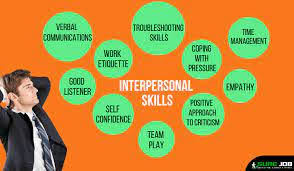
Through engaging lessons, real-life scenarios, and interactive activities, participants will gain a deeper understanding of non-verbal cues, active listening, empathy, and constructive feedback mechanisms. Whether you're a team leader, HR professional, or employee striving to improve your workplace relationships, this course offers tools and techniques to transform your interpersonal approach and foster collaborative excellence.
Course Objectives
- Master effective workplace communication techniques.
- Enhance emotional intelligence (EQ) to understand and respond better to colleagues.
- Improve active listening skills for more productive interactions.
- Learn to give and receive constructive feedback.
- Develop conflict resolution strategies for common workplace challenges.
- Strengthen team collaboration and team-building dynamics.
- Identify and overcome barriers to communication.
- Cultivate a positive workplace culture through empathy and trust.
- Understand body language and non-verbal cues in professional settings.
- Build cross-functional communication with diverse teams.
- Apply assertive communication techniques for clarity and respect.
- Promote inclusive communication that supports diversity and equity.
- Utilize digital communication etiquette in virtual workspaces.
Target Audience
- HR Professionals
- Team Leaders and Managers
- New Employees
- Remote/Hybrid Workers
- Project Coordinators
- Customer Service Representatives
- Department Heads
- Professionals Seeking Career Advancement
Course Duration:
10 days
Course Modules
Module 1: Introduction to Interpersonal Relations
- Defining interpersonal skills
- Importance of workplace communication
- Key components of effective interactions
- Building rapport
- Self-assessment quiz
Module 2: Understanding Emotional Intelligence (EQ)
- Emotional self-awareness
- Recognizing others' emotions
- Emotional regulation strategies
- Empathy in leadership
- EQ in conflict resolution
Module 3: Active Listening and Feedback
- Stages of active listening
- Reflective listening techniques
- Feedback models (e.g., SBI, BOOST)
- Giving vs. receiving feedback
- Avoiding defensive communication
Module 4: Conflict Resolution Strategies
- Identifying conflict types
- Conflict resolution styles (Thomas-Kilmann)
- De-escalation techniques
- Mediation role-play
- Communication during disagreements
Module 5: Team Collaboration Techniques
- Building high-performing teams
- Encouraging participation
- Shared goals and accountability
- Trust-building exercises
- Recognizing team dynamics
Module 6: Building Trust and Credibility
- Transparency and honesty
- Follow-through on commitments
- Role of trust in productivity
- Micro-behaviors that build/destroy trust
- Psychological safety
Module 7: Verbal and Non-Verbal Communication
- Tone, volume, and clarity
- Body language decoding
- Cultural influences on gestures
- Eye contact and posture
- Reading emotional cues
Module 8: Overcoming Communication Barriers
- Types of barriers (physical, semantic, psychological)
- Strategies to overcome each
- Bias and assumptions
- Language and jargon issues
- Accessibility considerations
Module 9: Assertiveness Without Aggression
- Passive vs. aggressive vs. assertive
- Saying “no” respectfully
- Using “I” statements
- Boundaries in communication
- Practice through scenarios
Module 10: Inclusive Communication
- Cultural sensitivity
- Language inclusivity
- Addressing microaggressions
- Supporting neurodiverse communication
- Inclusive workplace practices
Module 11: Managing Virtual and Remote Communication
- Zoom and virtual etiquette
- Managing misinterpretations
- Maintaining team cohesion online
- Video call dos and don’ts
- Async communication best practices
Module 12: Feedback-Driven Culture
- Embedding feedback into daily work
- Role of leadership in feedback
- Peer-to-peer feedback strategies
- Feedback surveys
- Encouraging feedback uptake
Module 13: Dealing with Difficult People
- Personality clashes
- Strategies for staying calm
- Difficult conversation frameworks
- Emotional distancing techniques
- Understanding triggers
Module 14: Communicating Across Generations
- Communication preferences by generation
- Bridging generational gaps
- Intergenerational empathy
- Age-related communication myths
- Inclusive training for all ages
Module 15: Creating Your Communication Action Plan
- Personal development goals
- Habit tracking tools
- Long-term improvement strategies
- SMART goal setting
- Accountability partners
Training Methodology
This course employs an interactive, experiential learning model designed to ensure participants gain real-world interpersonal skills through:
- Facilitator-led sessions with practical frameworks and real-world examples
- Group role-plays and simulations to practice realistic workplace scenarios
- Peer discussions and feedback loops to encourage reflection and collaboration
- Self-assessments and diagnostics for personal insight and awareness
- Case studies and multimedia to enhance concept retention and relatability
Register as a group from 3 participants for a Discount
Send us an email: info@datastatresearch.org or call +254724527104
Certification
Upon successful completion of this training, participants will be issued with a globally- recognized certificate.
Tailor-Made Course
We also offer tailor-made courses based on your needs.
Key Notes
a. The participant must be conversant with English.
b. Upon completion of training the participant will be issued with an Authorized Training Certificate
c. Course duration is flexible and the contents can be modified to fit any number of days.
d. The course fee includes facilitation training materials, 2 coffee breaks, buffet lunch and A Certificate upon successful completion of Training.
e. One-year post-training support Consultation and Coaching provided after the course.
f. Payment should be done at least a week before commence of the training, to DATASTAT CONSULTANCY LTD account, as indicated in the invoice so as to enable us prepare better for you.