Training Course on IMO Model Training Course on OPRC Level 3
Training Course on IMO Model Training Course on OPRC Level 3 is meticulously designed to equip senior leaders with the strategic knowledge and decision-making capabilities essential for effective oil pollution preparedness, response, and co-operation.
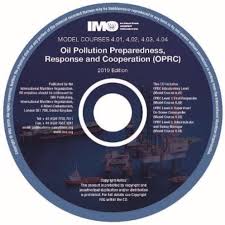
Course Overview
Training Course on IMO Model Training Course on OPRC Level 3 - Senior Managers and Administrators
Introduction
This intensive IMO Model Training Course on OPRC: Level 3 is meticulously designed to equip senior leaders with the strategic knowledge and decision-making capabilities essential for effective oil pollution preparedness, response, and co-operation. Focusing on the critical aspects of incident management, international legal frameworks, and stakeholder engagement, this course empowers participants to develop robust contingency plans and lead successful responses to oil spill incidents. Through a blend of theoretical learning and practical exercises, attendees will gain a comprehensive understanding of the complexities involved in managing oil spills, mitigating environmental and socio-economic impacts, and ensuring organizational resilience. Strong incident management, oil spill response planning, and stakeholder communication are central themes throughout the program, ensuring participants are well-prepared to navigate the multifaceted challenges of oil pollution emergencies.
The curriculum delves into the intricacies of risk assessment, resource allocation, media management, and the financial and legal ramifications of oil spills. Participants will explore various response strategies, understand the limitations and effectiveness of different technologies, and learn best practices for incident termination and post-incident debriefing. Emphasis is placed on fostering effective inter-agency co-operation, understanding the roles and responsibilities of different stakeholders, and navigating the political and public pressures associated with oil spill incidents. By mastering the principles of strategic leadership and emergency preparedness, senior managers and administrators will be able to enhance their organization's capacity to protect the environment, safeguard their reputation, and ensure compliance with international regulations.
Course Duration
10 days
Course Objectives
- Develop strategic oil spill contingency plans aligned with international standards.
- Understand the legal framework for oil pollution preparedness and response.
- Enhance senior management's role in oil spill incident command.
- Improve inter-agency co-operation in marine pollution response.
- Master effective communication strategies during oil spill emergencies.
- Evaluate the environmental and socio-economic impacts of oil spills.
- Optimize resource allocation for oil spill response operations.
- Apply risk assessment methodologies to oil pollution incidents.
- Understand oil spill behavior and fate for effective response planning.
- Navigate media and public relations during environmental crises.
- Implement best practices for oil spill waste management.
- Determine criteria for effective termination of oil spill response.
- Conduct thorough post-incident analysis and lessons learned.
Organizational Benefits
- Enhanced Preparedness: Equips senior managers to develop and implement robust oil spill contingency plans, minimizing potential damage and liabilities.
- Improved Response Capabilities: Develops leadership skills for effective management and co-ordination during oil spill incidents, leading to faster and more efficient responses.
- Regulatory Compliance: Ensures the organization adheres to international and national regulations related to oil pollution preparedness and response, avoiding potential penalties.
- Reputation Protection: Demonstrates a commitment to environmental stewardship and responsible operations, safeguarding the organization's image and stakeholder trust.
- Reduced Financial Risks: Effective preparedness and response can minimize the financial impact of oil spills, including cleanup costs, compensation claims, and legal fees.
- Stronger Stakeholder Relations: Fosters better communication and co-operation with regulatory bodies, industry partners, and the public during and after an incident.
- Increased Operational Efficiency: Streamlined response processes and well-defined roles and responsibilities lead to more efficient resource utilization.
- Improved Decision-Making: Provides senior managers with the knowledge and tools to make informed and strategic decisions during critical phases of an oil spill incident.
Target Audience
- Senior Managers with responsibility for environmental safety and compliance.
- Administrators involved in emergency planning and response.
- Executives in the maritime, oil and gas industries.
- Government officials responsible for marine pollution control.
- Port authority senior personnel involved in emergency preparedness.
- Senior representatives from environmental agencies and NGOs.
- Insurance and legal professionals dealing with oil spill liabilities.
- Senior advisors and consultants in environmental risk management.
Course Outline
Module 1: Introduction to Oil Pollution and its Impacts
- Overview of major oil spill incidents and their consequences.
- Understanding the different types and sources of marine oil pollution.
- Examining the physical and chemical properties of oil in the marine environment.
- Analyzing the short-term and long-term ecological impacts of oil spills.
- Considering the socio-economic consequences for coastal communities and industries.
Module 2: International Legal Framework for Oil Pollution
- Detailed review of the International Convention on Oil Pollution Preparedness, Response and Co-operation (OPRC) 1990.
- Understanding the roles and responsibilities of signatory states under the OPRC Convention.
- Exploring the Protocol on Preparedness, Response and Co-operation to Pollution Incidents by Hazardous and Noxious Substances (OPRC-HNS Protocol).
- Analyzing relevant regional and national legislation and regulations.
- Examining liability and compensation regimes for oil pollution damage (CLC, Fund Convention).
Module 3: Oil Spill Contingency Planning: Strategic Level
- Developing a comprehensive framework for oil spill contingency planning at the strategic level.
- Defining organizational roles, responsibilities, and communication pathways within the plan.
- Establishing risk assessment methodologies to identify potential spill scenarios and vulnerabilities.
- Integrating environmental sensitivity mapping and resource protection priorities into the plan.
- Ensuring alignment of the contingency plan with international and national regulations.
Module 4: Incident Command System (ICS) for Oil Spill Response
- Understanding the principles and structure of the Incident Command System in oil spill response.
- Defining key ICS roles and responsibilities for senior managers and administrators.
- Establishing effective communication and information flow within the ICS structure.
- Managing inter-agency co-ordination and collaboration through the ICS framework.
- Adapting the ICS structure to different scales and complexities of oil spill incidents.
Module 5: Oil Spill Behavior, Fate, and Trajectory Modeling
- Understanding the processes of weathering, spreading, emulsification, and dispersion of spilled oil.
- Analyzing the influence of environmental factors (wind, currents, temperature) on oil movement.
- Utilizing oil spill trajectory modeling tools for prediction and response planning.
- Interpreting model outputs to inform strategic decision-making.
- Considering the limitations and uncertainties associated with oil spill modeling.
Module 6: Assessment of Oil Spill Risks and Vulnerabilities
- Identifying potential sources of oil spills within the organization's operational area.
- Evaluating the likelihood and potential impact of different spill scenarios.
- Assessing the vulnerability of sensitive environmental and socio-economic receptors.
- Implementing risk mitigation measures to reduce the probability and severity of spills.
- Regularly reviewing and updating risk assessments based on operational changes and lessons learned.
Module 7: Oil Spill Response Strategies and Tactics
- Overview of various oil spill response options: containment, recovery, dispersion, in-situ burning, shoreline cleanup.
- Evaluating the effectiveness and limitations of different response technologies and equipment.
- Developing strategic decision-making processes for selecting appropriate response strategies.
- Considering environmental trade-offs and potential secondary impacts of response actions.
- Understanding the importance of a tiered response approach based on spill ??.
Module 8: Resource Management and Logistics in Oil Spill Response
- Identifying and mobilizing necessary personnel, equipment, and resources for oil spill response.
- Establishing efficient logistical support systems for deployment and maintenance of resources.
- Managing procurement, transportation, and storage of response materials.
- Ensuring the safety and well-being of response personnel.
- Developing strategies for resource sharing and mutual aid with other organizations.
Module 9: Stakeholder Communication and Public Relations
- Developing a comprehensive communication strategy for oil spill incidents.
- Identifying key stakeholders: regulatory agencies, media, public, local communities.
- Establishing protocols for timely and transparent information dissemination.
- Managing media inquiries and public perceptions effectively.
- Building trust and maintaining positive relationships with stakeholders throughout the response.
Module 10: Environmental Considerations in Oil Spill Response
- Understanding the ecological sensitivities of the affected environment.
- Implementing strategies to minimize environmental damage during response operations.
- Monitoring environmental impacts and assessing the effectiveness of cleanup efforts.
- Considering long-term ecological recovery and restoration measures.
- Adhering to environmental regulations and best practices during all phases of the response.
Module 11: Financial and Economic Aspects of Oil Spills
- Understanding the direct and indirect costs associated with oil spill incidents.
- Navigating insurance coverage and liability frameworks.
- Managing financial resources and budget allocation during a response.
- Assessing economic impacts on affected industries and communities.
- Understanding compensation mechanisms and claims processes.
Module 12: Legal and Regulatory Compliance in Oil Spill Response
- Ensuring full compliance with all applicable international, national, and local regulations.
- Understanding reporting requirements and notification procedures.
- Maintaining accurate documentation and records of response activities.
- Liaising effectively with legal counsel and regulatory authorities.
- Understanding potential legal liabilities and defense strategies.
Module 13: Termination of Response and Post-Incident Management
- Establishing clear criteria and processes for terminating oil spill response operations.
- Conducting thorough post-incident assessments and environmental monitoring.
- Implementing long-term site remediation and restoration plans.
- Conducting post-incident debriefings and lessons learned exercises.
- Updating contingency plans and procedures based on incident experience.
Module 14: Leadership and Decision-Making in Oil Spill Emergencies
- Developing effective leadership skills for managing high-pressure situations.
- Applying strategic decision-making frameworks under uncertainty.
- Fostering effective teamwork and collaboration among response personnel.
- Maintaining situational awareness and adapting to evolving circumstances.
- Demonstrating strong communication and interpersonal skills during crisis management.
Module 15: Case Studies and Lessons Learned from Major Oil Spills
- Analyzing historical case studies of significant oil spill incidents.
- Identifying key factors that influenced the effectiveness of the response.
- Extracting valuable lessons learned and best practices.
- Discussing the application of these lessons to participants' own organizational contexts.
- Promoting a culture of continuous improvement in oil spill preparedness and response.
Training Methodology
This course will employ a blended learning approach incorporating:
- Interactive Lectures: Delivering core concepts and principles through engaging presentations and discussions.
- Case Study Analysis: Examining real-world oil spill incidents to understand challenges and effective strategies.
- Tabletop Exercises: Simulating oil spill scenarios to practice decision-making and inter-agency co-ordination.
- Group Discussions: Facilitating the exchange of knowledge, experiences, and best practices among participants.
- Scenario-Based Learning: Applying learned concepts to practical scenarios and problem-solving exercises.
- Role-Playing: Simulating key roles within the Incident Command System to enhance understanding of responsibilities.
- Multimedia Presentations: Utilizing videos, simulations, and visual aids to enhance learning and engagement.
- Expert Panel Discussions: Providing insights from experienced oil spill response professionals.
Register as a group from 3 participants for a Discount
Send us an email: info@datastatresearch.org or call +254724527104
Certification
Upon successful completion of this training, participants will be issued with a globally- recognized certificate.
Tailor-Made Course
We also offer tailor-made courses based on your needs.
Key Notes
a. The participant must be conversant with English.
b. Upon completion of training the participant will be issued with an Authorized Training Certificate
c. Course duration is flexible and the contents can be modified to fit any number of days.
d. The course fee includes facilitation training materials, 2 coffee breaks, buffet lunch and A Certificate upon successful completion of Training.
e. One-year post-training support Consultation and Coaching provided after the course.
f. Payment should be done at least a week before commence of the training, to DATASTAT CONSULTANCY LTD account, as indicated in the invoice so as to enable us prepare better for you.