Training course on Electoral Conflict Management and Resolution
This course, "Electoral Conflict Management and Resolution," aims to equip participants with the skills and strategies necessary to identify, manage, and resolve conflicts that may arise during electoral processes.
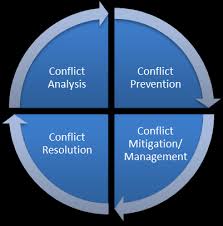
Course Overview
Electoral Conflict Management and Resolution
Electoral conflicts can pose significant challenges to the integrity and stability of democratic processes. Training Course on Electoral Conflict Management and Resolution aims to equip participants with the skills and strategies necessary to identify, manage, and resolve conflicts that may arise during electoral processes.
Participants will explore the sources of electoral conflict, methods for conflict prevention, and techniques for effective resolution. The course will emphasize the importance of dialogue, mediation, and stakeholder engagement in fostering peaceful electoral environments. By understanding the dynamics of electoral conflict, participants will be better prepared to contribute to sustainable democratic practices. Through a combination of theoretical insights and practical applications, this course will empower participants to develop actionable strategies for managing electoral conflicts effectively.
Course Objectives
- Understand the nature and sources of electoral conflict.
- Analyze the impact of electoral conflict on democratic processes.
- Develop skills for conflict prevention and management.
- Foster dialogue and collaboration among stakeholders.
- Implement effective mediation techniques.
- Assess the role of governance and institutions in conflict resolution.
- Explore case studies of electoral conflicts and resolutions.
- Create action plans for electoral conflict management.
- Understand the importance of communication in conflict resolution.
- Develop skills for monitoring and evaluating conflict situations.
- Identify best practices in electoral conflict management.
- Prepare for future challenges in electoral conflict scenarios.
- Create a personal development plan for ongoing improvement in conflict resolution.
- Engage with international standards and frameworks for electoral processes.
- Promote peacebuilding initiatives in electoral contexts.
Target Audience
- Election officials and administrators
- Political party representatives
- Civil society organizations
- Mediators and conflict resolution practitioners
- Academics and researchers in electoral studies
- Government officials involved in electoral processes
- Non-governmental organization (NGO) leaders
- Anyone interested in electoral conflict resolution
Course Duration: 10 Days
Modules
Module 1: Introduction to Electoral Conflict
- Defining electoral conflict
- Understanding the significance of conflict management in elections
- Overview of course objectives
- Historical context of electoral conflicts
- Key components of electoral conflict dynamics
Module 2: Sources and Types of Electoral Conflict
- Identifying common sources of electoral conflict
- Analyzing types of electoral disputes (e.g., political, social, economic)
- The role of political culture in conflict emergence
- Case studies of various electoral conflicts
- Understanding the impact of identity and ethnicity on conflict
Module 3: Conflict Prevention Strategies
- Techniques for preventing electoral conflict
- Importance of early warning systems
- Engaging stakeholders in conflict prevention
- Building community resilience to conflict
- Assessing the effectiveness of prevention strategies
Module 4: Stakeholder Engagement and Dialogue
- Importance of stakeholder engagement in conflict management
- Techniques for facilitating dialogue among competing interests
- Building trust and cooperation among stakeholders
- Utilizing community forums for discussion and resolution
- Case studies of successful dialogue initiatives
Module 5: Mediation Techniques in Electoral Conflicts
- Understanding the role of mediation in conflict resolution
- Techniques for effective mediation
- Engaging neutral parties in the mediation process
- Addressing power imbalances during mediation
- Evaluating the effectiveness of mediation efforts
Module 6: Governance and Institutions in Conflict Resolution
- The role of governance in managing electoral conflicts
- Strengthening institutions for effective conflict resolution
- Importance of rule of law and justice systems
- Engaging electoral management bodies in conflict prevention
- Case studies of institutional responses to electoral conflicts
Module 7: Communication Strategies for Conflict Resolution
- Importance of communication in conflict management
- Techniques for effective communication during conflicts
- Crafting messages that promote understanding and peace
- Utilizing media for conflict resolution initiatives
- Assessing the impact of communication strategies
Module 8: Monitoring and Evaluating Electoral Conflicts
- Importance of monitoring electoral conflicts
- Techniques for developing monitoring frameworks
- Engaging observers and monitors in conflict situations
- Analyzing conflict dynamics and outcomes
- Utilizing evaluation results for future improvements
Module 9: Best Practices in Electoral Conflict Management
- Reviewing successful conflict management initiatives
- Identifying key elements of effective conflict resolution
- Learning from failures and challenges
- Adapting best practices to local contexts
- Building a repository of successful strategies
Module 10: Action Planning for Conflict Management
- Developing actionable plans for managing electoral conflicts