Training Course on Digital Trust and Identity Management for CEOs
Training Course on Digital Trust and Identity Management for CEOs outlines a critical training program for Chief Executive Officers (CEOs) focusing on Digital Trust and Identity Management.
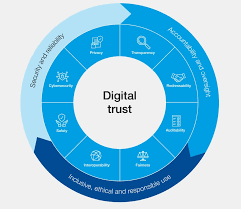
Course Overview
Training Course on Digital Trust and Identity Management for CEOs
Introduction
Training Course on Digital Trust and Identity Management for CEOs outlines a critical training program for Chief Executive Officers (CEOs) focusing on Digital Trust and Identity Management. In an increasingly interconnected and data-driven world, establishing and maintaining digital trust is no longer a mere technicality but a strategic imperative. This course empowers CEOs to navigate the complex landscape of cybersecurity risks, data privacy regulations, and digital identity verification, ensuring their organizations not only survive but thrive in the digital economy. We delve into cutting-edge strategies for secure digital transformation, identity governance, and building customer confidence in a zero-trust environment, directly impacting brand reputation, operational efficiency, and long-term business sustainability.
The program addresses the pressing need for executive leadership to grasp the strategic implications of robust digital identity frameworks and trust architectures. From mitigating cyber threats and ensuring regulatory compliance (e.g., GDPR, CCPA) to leveraging decentralized identity (DID) and AI-driven security, this course provides actionable insights for senior leaders. Participants will gain a holistic understanding of how identity-centric security underpins all digital interactions, fostering an organizational culture of trust by design and enhancing digital resilience against evolving cyber risks.
Course Duration
10 days
Course Objectives
- Equip CEOs with the strategic vision to champion digital trust initiatives across the enterprise.
- Understand and implement robust identity and access management (IAM) and privileged access management (PAM) frameworks.
- Develop proactive strategies to address advanced persistent threats (APTs), ransomware, and data breaches.
- Navigate complex global data protection regulations (GDPR, CCPA, eIDAS) and ensure ethical data handling.
- Lead the transition towards a zero-trust security model for enhanced organizational security.
- Evaluate the potential of blockchain-based identity and self-sovereign identity for future business models.
- Optimize customer experience and loyalty through secure and seamless digital interactions.
- Integrate ethical AI principles and responsible innovation into digital trust strategies.
- Build trusted digital supply chains to mitigate risks and ensure operational continuity.
- Secure cloud environments and implement effective federated identity management.
- Establish advanced threat intelligence capabilities and robust incident response plans.
- Effectively communicate cyber risk posture and digital trust metrics to the board and stakeholders.
- Anticipate and adapt to emerging digital identity trends and security technologies (e.g., Post-Quantum Cryptography).
Organizational Benefits
- Build deep customer trust through transparent and secure data handling.
- Minimize the likelihood and impact of cyberattacks, identity theft, and financial fraud.
- Ensure adherence to stringent data privacy laws, avoiding hefty fines and legal repercussions.
- Streamline identity verification processes, reduce friction, and automate access controls.
- Foster a secure foundation for adopting new technologies like AI, IoT, and cloud computing.
- Differentiate the organization in the marketplace as a trusted and secure digital entity.
- Demonstrate robust governance, risk, and compliance (GRC) practices, attracting and retaining investors.
Target Audience
- Chief Executive Officers (CEOs)
- Chief Operating Officers (COOs)
- Chief Information Officers (CIOs)
- Chief Information Security Officers (CISOs)
- Board Members
- Senior Executive Leaders responsible for digital strategy
- Heads of Digital Transformation
- Heads of Risk Management
Course Outline
Module 1: The Strategic Imperative of Digital Trust for CEOs
- Defining Digital Trust in the Modern Enterprise
- The C-Suite's Role in Building and Maintaining Trust
- Impact of Digital Trust on Brand Value, Reputation, and Market Cap
- Beyond Compliance: Trust as a Competitive Differentiator
- Case Study: Equifax Data Breach – Lessons in Eroding Trust
Module 2: Foundations of Digital Identity
- Understanding Digital Identity vs. Physical Identity
- Components of a Robust Digital Identity Ecosystem
- Authentication, Authorization, and Accounting (AAA) Principles
- Challenges in Centralized Identity Systems
- Case Study: Target's Data Breach and Identity Compromise
Module 3: Identity and Access Management (IAM) for Executives
- Key Pillars of IAM: User Provisioning, Authentication, Authorization
- Single Sign-On (SSO) and Multi-Factor Authentication (MFA) Strategies
- Role-Based Access Control (RBAC) and Attribute-Based Access Control (ABAC)
- Governing User Lifecycles from Onboarding to Offboarding
- Case Study: Colonial Pipeline Ransomware Attack – Understanding IAM Gaps
Module 4: Privileged Access Management (PAM) for Critical Assets
- Identifying and Securing Privileged Accounts
- Just-in-Time Access and Session Monitoring
- Vaulting and Rotation of Credentials
- Reducing the Attack Surface from Inside Threats
- Case Study: SolarWinds Supply Chain Attack – The Impact of Compromised Privileged Access
Module 5: The Zero Trust Security Model
- Principles of "Never Trust, Always Verify"
- Implementing Micro-segmentation and Least Privilege
- Continuous Verification and Adaptive Security
- Transitioning from Perimeter-Based Security to Zero Trust
- Case Study: Google's BeyondCorp Model for Zero Trust
Module 6: Data Privacy Regulations and Digital Identity
- Deep Dive into GDPR, CCPA, and Other Global Privacy Laws
- The Right to be Forgotten and Data Portability
- Data Minimization and Privacy by Design Principles
- Consent Management and Transparency in Data Handling
- Case Study: Meta (Facebook) and Cambridge Analytica Scandal – Privacy Mismanagement
Module 7: Customer Identity & Access Management (CIAM)
- Enhancing Customer Experience with Seamless Authentication
- Secure Customer Onboarding and Lifecycle Management
- Progressive Profiling and Consent Orchestration
- Balancing Security, Usability, and Privacy in CIAM
- Case Study: Marriott International Data Breach and Customer Trust
Module 8: Decentralized Identity (DID) and Blockchain
- Introduction to Self-Sovereign Identity (SSI)
- Blockchain's Role in Secure and Verifiable Credentials
- Advantages of Decentralized Identifiers and Verifiable Data
- Potential for Interoperable Global Digital Identity
- Case Study: Estonians' e-Residency Program and Digital Identity
Module 9: AI and Machine Learning in Digital Trust
- Leveraging AI for Anomaly Detection and Threat Prediction
- AI-Powered Fraud Detection and Identity Verification
- Ethical Considerations and Bias in AI Algorithms for Identity
- Balancing Automation and Human Oversight in Security
- Case Study: Deepfake Technology and Identity Fraud Risks
Module 10: Digital Risk Management and Incident Response
- Identifying and Assessing Digital Trust Risks
- Developing and Testing Comprehensive Incident Response Plans
- Business Continuity and Disaster Recovery Planning
- Communication Strategies During a Security Incident
- Case Study: Maersk's NotPetya Attack – Lessons in Resilience
Module 11: Building Trust in the Digital Supply Chain
- Assessing Third-Party Risk and Vendor Security
- Secure Software Development Lifecycle (SSDLC)
- Identity Management Across Extended Ecosystems
- Ensuring Integrity of Data and Operations with Partners
- Case Study: Kaseya VSA Supply Chain Ransomware Attack
Module 12: Governing Digital Trust: Boardroom Imperatives
- Establishing Digital Trust as a Board-Level Priority
- Key Performance Indicators (KPIs) for Digital Trust
- Reporting Cyber Risk and Identity Posture to Stakeholders
- Legal and Fiduciary Responsibilities of the Board
- Case Study: Uber's Cover-up of a Data Breach and Board Accountability
Module 13: Future of Digital Identity & Emerging Technologies
- Quantum-Resistant Cryptography and its Implications
- Biometrics and Behavioral Biometrics in Authentication
- Digital Twins and Metaverse Identity
- Regulatory Foresight for Emerging Identity Paradigms
- Case Study: The Evolution of Passwords to Passwordless Authentication
Module 14: Developing a Digital Trust Strategy & Roadmap
- Assessing Current State and Defining Target State
- Creating a Phased Implementation Plan
- Resource Allocation and Budgeting for Digital Trust Initiatives
- Building a Culture of Security and Trust Across the Organization
- Case Study: Large Financial Institution's Multi-Year Digital Trust Transformation
Module 15: Leading the Trust Transformation
- Change Management for Digital Trust Adoption
- Effective Communication and Stakeholder Engagement
- Fostering a Security-First Mindset at All Levels
- Measuring Success and Continuous Improvement in Digital Trust
- Case Study: A Global Tech Company's Journey to Embed Digital Trust in its DNA
Training Methodology
This executive training course will employ a highly interactive and engaging methodology tailored for senior leaders, emphasizing practical application and strategic decision-making.
- Interactive Workshops: Facilitated discussions, group exercises, and collaborative problem-solving.
- Real-World Case Studies: In-depth analysis of high-profile incidents and successful implementations to extract actionable insights.
- Peer-to-Peer Learning: Opportunities for CEOs to share experiences, best practices, and challenges with their counterparts.
- Expert-Led Sessions: Presentations and Q&A with industry thought leaders, cybersecurity veterans, and regulatory experts.
- Strategic Framework Development: Guided sessions to help participants develop a tailored digital trust and identity management roadmap for their own organizations.
- Scenario Planning & Simulation: Practical exercises to simulate crisis situations and test incident response strategies.
- Flipped Classroom Elements: Pre-reading materials and short videos to maximize in-person engagement on complex topics.
Register as a group from 3 participants for a Discount
Send us an email: info@datastatresearch.org or call +254724527104
Certification
Upon successful completion of this training, participants will be issued with a globally- recognized certificate.
Tailor-Made Course
We also offer tailor-made courses based on your needs.
Key Notes
a. The participant must be conversant with English.
b. Upon completion of training the participant will be issued with an Authorized Training Certificate
c. Course duration is flexible and the contents can be modified to fit any number of days.
d. The course fee includes facilitation training materials, 2 coffee breaks, buffet lunch and A Certificate upon successful completion of Training.
e. One-year post-training support Consultation and Coaching provided after the course.
f. Payment should be done at least a week before commence of the training, to DATASTAT CONSULTANCY LTD account, as indicated in the invoice so as to enable us prepare better for you.