Training course on Digital Transformation Readiness Assessment for Social Protection (SP) Agencies
Training Course on Digital Transformation Readiness Assessment for Social Protection (SP) Agencies is meticulously designed to equip with the advanced theoretical insights and intensive practical tools necessary to excel
Skills Covered
Course Overview
Training Course on Digital Transformation Readiness Assessment for Social Protection (SP) Agencies
Introduction
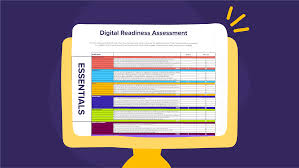
A Digital Transformation Readiness Assessment for Social Protection (SP) Agencies is a crucial first step for any government or organization aiming to modernize and enhance its social protection programs through technology. This systematic evaluation helps identify an agency's current capabilities, strengths, and weaknesses across various dimensions—including leadership, strategy, technology infrastructure, data management, human capacity, and organizational culture—to effectively embrace digital solutions. Without a clear understanding of the readiness landscape, digitalization initiatives risk failure, leading to wasted resources, unmet objectives, and continued exclusion of vulnerable populations. This assessment provides a roadmap for targeted interventions, ensuring that digital transformation efforts are strategic, sustainable, and truly impactful in improving social protection service delivery.
Training Course on Digital Transformation Readiness Assessment for Social Protection (SP) Agencies is meticulously designed to equip with the advanced theoretical insights and intensive practical tools necessary to excel in conducting a Digital Transformation Readiness Assessment for SP Agencies. We will delve into established assessment frameworks, master the intricacies of evaluating key organizational dimensions, and explore cutting-edge approaches to data collection, analysis, and reporting for readiness. A significant focus will be placed on understanding stakeholder engagement, identifying critical gaps, developing actionable recommendations, and fostering a culture of continuous improvement. By integrating industry best practices, analyzing real-world complex case studies, and engaging in hands-on assessment exercises, attendees will develop the strategic acumen to confidently lead and implement readiness assessments, fostering unparalleled strategic clarity, effective planning, and successful digital transformation in social protection.
Course Objectives
Upon completion of this course, participants will be able to:
- Analyze the fundamental purpose and strategic importance of conducting a digital transformation readiness assessment for SP agencies.
- Comprehend various frameworks and methodologies for assessing organizational readiness for digital transformation.
- Master techniques for evaluating leadership commitment and strategic alignment for digitalization initiatives.
- Develop expertise in assessing the current state of technology infrastructure and systems within an SP agency.
- Formulate strategies for evaluating data management capabilities and readiness for data-driven SP solutions.
- Understand how to conduct a comprehensive assessment of human capacity, skills, and digital literacy within the agency.
- Identify and analyze the impact of organizational culture and change management readiness on digital transformation.
- Develop effective methods for collecting and analyzing qualitative and quantitative data for readiness assessments.
- Formulate actionable recommendations and a roadmap for addressing identified readiness gaps.
- Understand the role of stakeholder engagement and communication throughout the readiness assessment process.
- Explore the use of benchmarking and best practices from other digital transformation initiatives.
- Prepare a comprehensive readiness assessment report that informs strategic decision-making.
- Analyze real-world case studies of digital transformation readiness assessments in public sector and social protection contexts.
Target Audience
This course is essential for professionals involved in planning and executing digital transformation in social protection:
- Social Protection Policymakers: Guiding national digitalization strategies.
- Program Managers (SP): Leading the modernization of specific social protection programs.
- Digital Transformation Leads: Responsible for driving digital initiatives across government/agencies.
- IT Directors & Managers: Overseeing technology infrastructure and systems.
- Human Resources & Training Managers: Focusing on workforce development for digital skills.
- Monitoring & Evaluation Specialists: Assessing the foundational elements for successful program changes.
- Government Consultants: Advising public sector entities on digital transformation.
- Organizational Development Specialists: Facilitating change and capacity building.
Course Duration: 5 Days
Course Modules
Module 1: Introduction to Digital Transformation Readiness
- Define digital transformation in the context of social protection services.
- Explain the critical importance of a readiness assessment before embarking on digitalization.
- Discuss the consequences of inadequate readiness: project failures, wasted resources, resistance to change.
- Introduce various dimensions of organizational readiness (e.g., leadership, strategy, technology, people, culture).
- Overview of the assessment process and its role in strategic planning.
Module 2: Frameworks and Methodologies for Readiness Assessment
- Explore established digital maturity models and readiness assessment frameworks (e.g., Gartner, Deloitte, custom frameworks).
- Discuss different assessment methodologies: surveys, interviews, workshops, document review, technical audits.
- Identify key performance indicators (KPIs) and metrics for measuring readiness across dimensions.
- Develop a tailored assessment plan for a social protection agency.
- Understand the iterative nature of readiness assessment and continuous improvement.
Module 3: Assessing Leadership and Strategic Alignment
- Evaluate leadership commitment, vision, and sponsorship for digital transformation.
- Assess the clarity and coherence of the agency's digital strategy and its alignment with overall SP objectives.
- Examine governance structures for digital initiatives: decision-making processes, accountability.
- Identify champions and potential resistors to digital change within leadership.
- Discuss strategies for building a shared understanding and buy-in for digital transformation.
Module 4: Evaluating Technology Infrastructure and Systems
- Assess the current state of IT infrastructure: hardware, software, network connectivity, cloud adoption.
- Evaluate existing social protection information systems: functionality, scalability, interoperability.
- Identify legacy systems and their implications for digital transformation.
- Review cybersecurity posture and data protection measures in place.
- Discuss the role of emerging technologies (AI, blockchain, IoT) and the agency's capacity to adopt them.
Module 5: Assessing Data Management and Analytics Capabilities
- Evaluate the availability, quality, and accessibility of data for social protection programs.
- Assess current data governance frameworks: policies, standards, roles, and responsibilities.
- Examine data collection, storage, processing, and sharing practices.
- Determine the agency's capacity for data analysis and leveraging insights for decision-making.
- Identify opportunities for improving data infrastructure to support data-driven SP.
Module 6: Human Capacity, Skills, and Digital Literacy Assessment
- Conduct a skills gap analysis for the existing workforce in relation to digital transformation needs.
- Assess digital literacy levels among staff, from frontline workers to management.
- Evaluate current training programs and capacity-building initiatives.
- Identify resistance to change and strategies for addressing it through training and engagement.
- Discuss the importance of a continuous learning culture for digital transformation.
Module 7: Organizational Culture and Change Management Readiness
- Analyze the existing organizational culture: openness to innovation, risk appetite, collaboration.
- Assess the agency's experience with previous change initiatives and lessons learned.
- Identify key cultural barriers and enablers for digital transformation.
- Develop a preliminary change management plan to support digitalization efforts.
- Discuss communication strategies to manage expectations and foster acceptance of change.
Module 8: Reporting Findings and Developing a Transformation Roadmap
- Structure and prepare a comprehensive digital transformation readiness assessment report.
- Clearly articulate findings, strengths, weaknesses, and key readiness gaps.
- Formulate actionable recommendations for each dimension of readiness.
- Develop a prioritized roadmap for digital transformation, including short-term wins and long-term goals.
- Present findings and recommendations to key stakeholders and decision-makers.
Training Methodology
- Interactive Workshops: Facilitated discussions, group exercises, and problem-solving activities.
- Case Studies: Real-world examples to illustrate successful community-based surveillance practices.
- Role-Playing and Simulations: Practice engaging communities in surveillance activities.
- Expert Presentations: Insights from experienced public health professionals and community leaders.
- Group Projects: Collaborative development of community surveillance plans.
- Action Planning: Development of personalized action plans for implementing community-based surveillance.
- Digital Tools and Resources: Utilization of online platforms for collaboration and learning.
- Peer-to-Peer Learning: Sharing experiences and insights on community engagement.
- Post-Training Support: Access to online forums, mentorship, and continued learning resources.
Register as a group from 3 participants for a Discount
Send us an email: info@datastatresearch.org or call +254724527104
Certification
Upon successful completion of this training, participants will be issued with a globally recognized certificate.
Tailor-Made Course
We also offer tailor-made courses based on your needs.
Key Notes
- Participants must be conversant in English.
- Upon completion of training, participants will receive an Authorized Training Certificate.
- The course duration is flexible and can be modified to fit any number of days.
- Course fee includes facilitation, training materials, 2 coffee breaks, buffet lunch, and a Certificate upon successful completion.
- One-year post-training support, consultation, and coaching provided after the course.
- Payment should be made at least a week before the training commencement to DATASTAT CONSULTANCY LTD account, as indicated in the invoice, to enable better preparation.