Training Course on Developing Emotional Intelligence for Executive Leaders
Training Course on Developing Emotional Intelligence for Executive Leaders is meticulously designed to empower senior management with the advanced emotional competencies required to navigate high-pressure environments, foster high-performing teams, drive strategic innovation, and cultivate a resilient and empathetic leadership culture.
Skills Covered
Course Overview
Training Course on Developing Emotional Intelligence for Executive Leaders
Introduction
In today's rapidly evolving global landscape, executive leaders face unprecedented complexities that demand more than just traditional business acumen. The capacity to understand and manage one's own emotions, and to recognize and influence the emotions of others, is no longer a "soft skill" but a critical differentiator for sustainable organizational success. Training Course on Developing Emotional Intelligence for Executive Leaders is meticulously designed to empower senior management with the advanced emotional competencies required to navigate high-pressure environments, foster high-performing teams, drive strategic innovation, and cultivate a resilient and empathetic leadership culture.
This program goes beyond theoretical concepts, offering practical, actionable strategies and evidence-based techniques to enhance self-awareness, self-regulation, empathy, and social skills – the cornerstones of effective leadership. Through immersive learning experiences, including real-world case studies and interactive exercises, executives will develop the ability to make calibrated decisions under pressure, inspire trust and engagement, resolve conflicts constructively, and lead with authenticity and impact. Investing in emotional intelligence is investing in a future where leaders are not just managers of tasks, but architects of thriving human-centric organizations.
Course Duration
10 days
Course Objectives
- Deepen understanding of personal emotional triggers, strengths, and development areas for authentic leadership.
- Develop sophisticated techniques for managing stress, impulses, and difficult emotions in high-stakes scenarios.
- Improve the ability to understand and connect with diverse perspectives, fostering psychological safety and inclusion.
- Build powerful alliances, resolve interpersonal conflicts, and foster collaborative leadership across the enterprise.
- Refine verbal and non-verbal communication for influential leadership and effective stakeholder engagement.
- Develop robust coping mechanisms and maintain composure amidst organizational change and adversity.
- Integrate emotional intelligence with analytical thinking for holistic, impactful decisions.
- Learn to leverage emotional intelligence to foster employee engagement, purpose, and peak performance.
- Understand and strategically influence group emotions and team cohesion.
- Align personal emotional intelligence with organizational values for ethical and visionary leadership.
- Utilize emotional intelligence to create an inclusive environment that values and leverages diverse perspectives.
- Adapt swiftly to dynamic market conditions by understanding and managing emotional responses to change.
- Learn to assess and track the tangible benefits of emotional intelligence development on leadership effectiveness and business outcomes.
Organizational Benefits
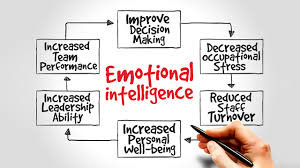
- Emotionally intelligent leaders foster positive work environments, leading to higher morale and reduced turnover.
- Leaders equipped with strong EI can build cohesive, trusting, and highly productive teams.
- The ability to manage emotions and understand others' perspectives leads to constructive conflict resolution and reduced workplace tension.
- Emotionally intelligent leadership promotes a culture of trust, empathy, and open communication.
- Leaders who understand emotional dynamics can better guide teams through change and foster a climate of creative problem-solving.
- Balanced emotional and rational inputs lead to more comprehensive and effective strategic choices.
- Enhanced empathy and social skills result in stronger external partnerships and client satisfaction.
- Cultivating EI in current leaders prepares them for future challenges and mentors the next generation.
- Leaders with strong self-regulation can better manage their own stress and create a less stressful environment for their teams.
Target Audience
- C-Suite Executives
- Senior Vice Presidents & Directors
- High-Potential Leaders
- Project & Program Managers (Senior Level)
- Heads of Departments.
- Human Resources & Talent Development Leaders
- Board Members
- Entrepreneurs & Founders.
Course Outline
Module 1: The Neuroscience of Emotional Intelligence for Leaders
- Understanding the brain's role in emotional responses and decision-making.
- The impact of stress on executive function and emotional regulation.
- Neuroplasticity and the capacity to develop EI at any stage.
- Connecting brain science to everyday leadership challenges.
- Case Study: Analyzing a high-pressure corporate merger where leaders' emotional states significantly influenced negotiation outcomes.
Module 2: Deep Dive into Self-Awareness: The Cornerstone of Leadership
- Identifying personal values, strengths, and blind spots.
- Recognizing emotional triggers and their impact on behavior.
- Practicing mindful observation of internal states.
- Utilizing 360-degree feedback for comprehensive self-insight.
- Case Study: A CEO's journey of uncovering a critical blind spot through self-awareness exercises and its positive effect on team trust.
Module 3: Mastering Emotional Self-Regulation: Leading with Composure
- Techniques for managing impulses and controlling disruptive emotions.
- Strategies for maintaining composure during conflict and crisis.
- Developing emotional agility and adaptability.
- The power of pausing and deliberate response versus reaction.
- Case Study: How a senior leader de-escalated a highly contentious board meeting by employing advanced self-regulation techniques.
Module 4: Cultivating Internal Motivation & Resilience
- Understanding intrinsic versus extrinsic motivation in leadership.
- Developing a growth mindset for continuous personal and professional development.
- Building mental toughness and bouncing back from setbacks.
- Setting emotionally intelligent goals that inspire action.
- Case Study: A business unit head who revitalized a demotivated team by fostering a sense of shared purpose and resilience during a challenging market downturn.
Module 5: Empathy in Action: Connecting with Stakeholders
- Active and empathetic listening skills for deeper understanding.
- Reading non-verbal cues and understanding unspoken emotions.
- Stepping into others' shoes: perspective-taking exercises.
- Building rapport and fostering genuine connections with diverse individuals.
- Case Study: A sales executive who significantly improved client relationships and closed a major deal by demonstrating profound empathy for their client's challenges.
Module 6: Enhancing Social Skills: Influencing and Inspiring
- The art of persuasive communication and influence without authority.
- Building powerful professional networks and alliances.
- Effective negotiation and mediation skills rooted in EI.
- Leading impactful meetings and presentations.
- Case Study: A product development VP who successfully rallied cross-functional teams behind an innovative but risky project by leveraging strong social skills and persuasive communication.
Module 7: Emotional Intelligence in Team Dynamics
- Recognizing and managing group emotions and team climate.
- Fostering psychological safety and open dialogue within teams.
- Addressing team conflicts constructively and building cohesion.
- Leveraging diverse emotional styles for collective intelligence.
- Case Study: A leadership team that transformed a dysfunctional department into a high-performing unit by focusing on shared emotional understanding and conflict resolution.
Module 8: Leading Through Change with Emotional Intelligence
- Understanding emotional responses to organizational change and uncertainty.
- Communicating change with empathy and clarity.
- Managing resistance and fostering buy-in.
- Building emotional resilience in the face of disruption.
- Case Study: A company's successful digital transformation attributed to leaders who empathetically guided employees through significant technological and cultural shifts.
Module 9: EI for Strategic Decision-Making & Problem Solving
- Avoiding emotional biases in critical judgments.
- Leveraging intuition and emotional insights in decision-making.
- Employing emotionally intelligent frameworks for complex problem-solving.
- Making tough decisions with compassion and clarity.
- Case Study: A board's decision to pivot the company strategy, informed by an emotionally intelligent assessment of market sentiment and internal team morale.
Module 10: Building an Emotionally Intelligent Organizational Culture
- The leader's role in shaping cultural norms and values.
- Promoting emotional literacy and well-being across the organization.
- Integrating EI principles into hiring, performance, and talent development.
- Creating a feedback-rich environment that supports emotional growth.
- Case Study: A global corporation that implemented EI training company-wide, leading to a measurable improvement in employee satisfaction and productivity.
Module 11: EI and Conflict Resolution for Executive Leaders
- Advanced techniques for mediating high-stakes conflicts.
- Understanding underlying emotional needs in disputes.
- Creating win-win solutions through empathetic negotiation.
- Preventing emotional escalation in challenging conversations.
- Case Study: Resolving a long-standing inter-departmental conflict by applying emotional intelligence principles, leading to renewed collaboration.
Module 12: Leading with Authenticity and Integrity
- Defining and demonstrating authentic leadership.
- Building trust and credibility through emotional transparency.
- Navigating ethical dilemmas with emotional intelligence.
- The importance of vulnerability in executive leadership.
- Case Study: A public relations crisis handled effectively by a CEO who communicated with transparency and empathy, restoring public trust.
Module 13: Developing Executive Presence and Influence
- Harnessing emotional intelligence for impactful executive presence.
- Projecting confidence and conviction in high-visibility roles.
- Using emotional intelligence to inspire and mobilize stakeholders.
- Crafting compelling narratives that resonate emotionally.
- Case Study: A senior leader who, through enhanced executive presence and emotionally intelligent communication, successfully secured critical investment for a new venture.
Module 14: Practical Application: Your Emotional Intelligence Leadership Plan
- Conducting a personal EI assessment and identifying growth areas.
- Developing a personalized action plan for ongoing EI development.
- Setting measurable goals for integrating EI into daily leadership.
- Strategies for seeking ongoing feedback and coaching.
- Case Study: Participants present their individual EI development plans and receive peer and facilitator feedback, setting them up for post-program success.
Module 15: Sustaining Emotional Intelligence in a Dynamic World
- Maintaining EI in periods of rapid change and uncertainty.
- Building a support network for continued emotional growth.
- Mindfulness and self-care practices for executive well-being.
- The future of emotional intelligence in leadership and AI integration.
- Case Study: Discussions on how leading organizations are continually investing in EI development to stay ahead in volatile markets, featuring examples of companies with strong EI cultures.
Training Methodology
This training course employs a highly interactive and experiential methodology designed for executive learners, ensuring maximum engagement and practical application:
- Interactive Workshops: Dynamic group activities, discussions, and role-playing scenarios.
- Real-World Case Studies: In-depth analysis of actual executive leadership challenges and successes related to emotional intelligence.
- Personalized EI Assessments: Participants will undergo validated emotional intelligence assessments (e.g., EQ-i 2.0, MSCEIT) with individual debriefs.
- 360-Degree Feedback: Incorporating feedback from peers, superiors, and direct reports to provide a comprehensive view of emotional impact.
- Experiential Exercises: Simulations and practical applications to build emotional skills in a safe environment.
- Facilitated Group Coaching: Opportunities for peer learning and collective problem-solving.
- Individual Action Planning: Guided development of personalized strategies for integrating EI into daily leadership.
- Expert Facilitation: Led by seasoned professionals with extensive experience in executive coaching and emotional intelligence development.
- Mindfulness and Stress Reduction Techniques: Practical tools for self-regulation and well-being.
Register as a group from 3 participants for a Discount
Send us an email: info@datastatresearch.org or call +254724527104
Certification
Upon successful completion of this training, participants will be issued with a globally- recognized certificate.
Tailor-Made Course
We also offer tailor-made courses based on your needs.
Key Notes
a. The participant must be conversant with English.
b. Upon completion of training the participant will be issued with an Authorized Training Certificate
c.