Training course on Design Thinking for Intrapreneurial Projects
Training course on Design Thinking for Intrapreneurial Projects empowers individuals to transform ideas into tangible results, driving organizational agility and a culture of continuous improvement.
Course Overview
Training course on Design Thinking for Intrapreneurial Projects
Introduction
In today's rapidly evolving business landscape, fostering innovation and employee-driven initiatives is crucial for sustained growth and competitive advantage. This intensive training program equips participants with the powerful Design Thinking methodology, a human-centered approach to problem-solving and opportunity identification. By understanding user needs, generating creative solutions, and iteratively prototyping and testing, participants will gain the skills to champion intrapreneurial projects within their organizations. Training course on Design Thinking for Intrapreneurial Projects empowers individuals to transform ideas into tangible results, driving organizational agility and a culture of continuous improvement.
This program is designed to cultivate a mindset of creative problem-solving, user empathy, and rapid experimentation. Participants will learn practical techniques for each stage of the Design Thinking process, from defining challenges and understanding stakeholders to brainstorming innovative solutions and developing viable prototypes. Through hands-on exercises, real-world case studies, and collaborative projects, attendees will develop the confidence and competence to lead and contribute effectively to intrapreneurial ventures, ultimately fostering internal innovation, enhancing employee engagement, and driving organizational transformation through human-centered design.
Course Objectives:
- Master Design Thinking Principles: Understand the core tenets and benefits of the Design Thinking framework.
- Develop User Empathy: Learn techniques for deeply understanding user needs and pain points.
- Define Problem Statements: Effectively frame challenges and opportunities for innovation.
- Generate Innovative Ideas: Utilize brainstorming and ideation methods for creative solution generation.
- Prototype Solutions Rapidly: Learn low-fidelity prototyping techniques for quick visualization and testing.
- Conduct User Testing: Gather valuable feedback through effective user testing methodologies.
- Iterate and Refine Solutions: Apply feedback to improve and optimize proposed solutions.
- Apply Design Thinking to Intrapreneurship: Understand the specific application of Design Thinking within organizational settings.
- Foster Intrapreneurial Mindset: Cultivate a proactive and innovative approach to internal projects.
- Develop Project Management Skills: Learn how to manage Design Thinking-driven intrapreneurial projects.
- Communicate Innovation Effectively: Present ideas and project progress persuasively to stakeholders.
- Drive Organizational Innovation: Contribute to a culture of innovation and continuous improvement within the organization.
- Implement Human-Centered Solutions: Develop solutions that truly address user needs and deliver tangible value.
Target Audience:
- Employees seeking to drive innovation within their organizations.
- Project managers looking for human-centered approaches to project development.
- Team leaders aiming to foster creativity and initiative within their teams.
- Individuals interested in developing new products, services, or processes internally.
- Change agents looking to implement innovative solutions within their departments.
- Managers responsible for fostering a culture of innovation.
- Employees with ideas for internal improvements or new ventures.
- Anyone interested in learning practical innovation methodologies.
Course Duration
10 days
Course Modules:
Module 1: Introduction to Design Thinking
- What is Design Thinking? Core Principles and Benefits.
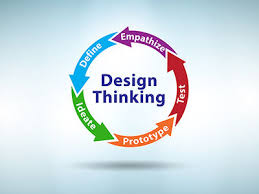
- The Design Thinking Process: Empathize, Define, Ideate, Prototype, Test.
- Mindset of a Design Thinker: Empathy, Optimism, Iteration.
- Real-world Examples of Successful Design Thinking Applications.
- Introduction to Intrapreneurship and its Importance.
Module 2: Deep Dive into Empathy
- Understanding User Needs and Perspectives.
- Empathy Mapping Techniques.
- Conducting Effective User Interviews.
- Observation and Contextual Inquiry.
- Synthesizing User Insights.
Module 3: Defining the Problem Statement
- Analyzing User Data and Identifying Key Problems.
- Crafting Clear and Concise Problem Statements.
- The Power of "How Might We" Questions.
- Defining Project Scope and Objectives.
- Prioritizing Problem Areas.
Module 4: The Art of Ideation
- Brainstorming Techniques for Generating Diverse Ideas.
- Creative Thinking Exercises and Prompts.
- Lateral Thinking and Challenging Assumptions.
- Idea Prioritization and Selection Methods.
- Fostering a Culture of Open Idea Sharing.
Module 5: Introduction to Prototyping
- The Value of Rapid Prototyping.
- Low-Fidelity Prototyping Techniques (Sketches, Storyboards).
- Creating Paper Prototypes and Mockups.
- Choosing the Right Prototyping Method.
- Fail Fast, Learn Faster: The Iterative Nature of Prototyping.
Module 6: User Testing and Feedback
- Planning and Conducting Effective User Testing Sessions.
- Developing Interview Guides and Observation Protocols.
- Gathering Qualitative and Quantitative Feedback.
- Analyzing and Synthesizing User Feedback.
- Ethical Considerations in User Testing.
Module 7: Iteration and Refinement
- Using Feedback to Improve Prototypes and Solutions.
- The Importance of Iterative Design.
- Making Data-Driven Design Decisions.
- Pivot or Persevere: Knowing When to Change Direction.
- Documenting Design Iterations.
Module 8: Design Thinking for Intrapreneurial Opportunities
- Identifying Internal Opportunities for Innovation.
- Applying Design Thinking to Improve Internal Processes.
- Developing New Internal Products or Services.
- Addressing Internal Challenges with a Design Thinking Approach.
- Aligning Intrapreneurial Projects with Organizational Goals.
Module 9: Cultivating an Intrapreneurial Mindset
- Characteristics of Successful Intrapreneurs.
- Overcoming Barriers to Internal Innovation.
- Building Confidence and Taking Initiative.
- Developing Persuasion and Influencing Skills.
- Embracing Risk and Learning from Failure.
Module 10: Project Management for Intrapreneurial Ventures
- Applying Agile Principles to Design Thinking Projects.
- Setting Realistic Timelines and Milestones.
- Managing Resources and Budgets for Internal Projects.
- Effective Communication and Stakeholder Management.
- Measuring the Impact of Intrapreneurial Initiatives.
Module 11: Communicating Innovative Ideas Effectively
- Storytelling for Innovation.
- Developing Compelling Presentations and Pitches.
- Visualizing Ideas and Concepts.
- Communicating the Value Proposition of Intrapreneurial Projects.
- Tailoring Communication to Different Stakeholder Groups.
Module 12: Fostering a Culture of Innovation
- Creating an Environment that Encourages Experimentation.
- Recognizing and Rewarding Innovative Thinking.
- Breaking Down Silos and Promoting Collaboration.
- Leadership's Role in Driving Innovation.
- Implementing Design Thinking Practices Organization-Wide.
Module 13: Advanced Prototyping Techniques
- Creating Interactive Digital Prototypes.
- Utilizing Prototyping Tools and Software.
- Developing Service Prototypes and Customer Journey Maps.
- Testing Functional Prototypes.
- Measuring Prototype Effectiveness.
Module 14: Measuring the Impact of Design Thinking and Intrapreneurship
- Identifying Key Performance Indicators (KPIs) for Innovation.
- Measuring the ROI of Intrapreneurial Projects.
- Tracking the Impact on Employee Engagement and Satisfaction.
- Assessing the Contribution to Organizational Growth and Competitiveness.
- Communicating the Value of Design Thinking to Leadership.
Module 15: Implementing and Scaling Intrapreneurial Solutions
- Developing Implementation Plans for Successful Prototypes.
- Strategies for Scaling Internal Innovations.
- Managing Change and Adoption within the Organization.
- Continuous Improvement and Iteration of Implemented Solutions.
- Building a Sustainable Intrapreneurial Ecosystem.
Training Methodology:
This training program will utilize a highly interactive and experiential learning approach. Key methodologies include:
- Interactive Workshops: Facilitated sessions with hands-on activities, group discussions, and collaborative exercises.
- Case Studies: Analysis of real-world examples of successful Design Thinking and intrapreneurial projects.
- Individual and Group Exercises: Practical application of Design Thinking tools and techniques.
- Prototyping Labs: Dedicated time for participants to create and test their own prototypes.
- Peer Feedback Sessions: Opportunities for participants to share their work and receive constructive criticism.
- Guest Speaker Sessions (Optional): Insights from experienced intrapreneurs and innovation leaders.
- Action Planning: Guidance on how to apply learned skills to real intrapreneurial projects within their organizations.
Register as a group from 3 participants for a Discount
Send us an email: info@datastatresearch.org or call +254724527104
Certification
Upon successful completion of this training, participants will be issued with a globally- recognized certificate.
Tailor-Made Course
We also offer tailor-made courses based on your needs.
Key Notes
a. The participant must be conversant with English.
b. Upon completion of training the participant will be issued with an Authorized Training Certificate
c. Course duration is flexible and the contents can be modified to fit any number of days.
d. The course fee includes facilitation training materials, 2 coffee breaks, buffet lunch and A Certificate upon successful completion of Training.
e. One-year post-training support Consultation and Coaching provided after the course.
f. Payment should be done at least a week before commence of the training, to DATASTAT CONSULTANCY LTD account, as indicated in the invoice so as to enable us prepare better for you.