Training Course on Carbon Management
Training Course on Carbon Management is designed to equip individuals and organizations with the knowledge and skills necessary to understand, measure, and effectively manage their carbon footprint.
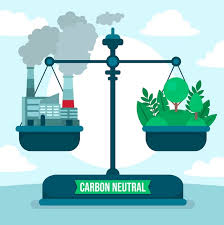
Course Overview
Training Course on Carbon Management
Introduction
In an era defined by increasing environmental awareness and the urgent need to mitigate climate change, Carbon Management has emerged as a critical discipline for organizations worldwide. This comprehensive training course is designed to equip individuals and organizations with the knowledge and skills necessary to understand, measure, and effectively manage their carbon footprint. By delving into the intricacies of greenhouse gas emissions, participants will gain a thorough understanding of the drivers of climate change and the regulatory landscape surrounding environmental sustainability. This course provides a practical framework for developing and implementing effective carbon reduction strategies, fostering a culture of environmental responsibility, and ultimately contributing to a more sustainable future. Mastering carbon accounting and reporting is no longer a niche skill but a fundamental requirement for businesses seeking long-term viability and stakeholder trust in the face of evolving climate policies and increasing demands for corporate sustainability.
This intensive program goes beyond theoretical concepts, offering actionable insights into the practical application of carbon management principles. Participants will learn how to conduct thorough carbon footprint assessments, identify key areas for emission reduction, and implement sustainable practices across their operations. The course emphasizes the importance of data-driven decision-making and provides tools and techniques for monitoring, reporting, and verifying carbon emissions. Furthermore, it explores the opportunities associated with the green economy, including renewable energy adoption and the development of carbon offset projects. By investing in this training, organizations can not only meet regulatory requirements and enhance their environmental performance but also unlock potential cost savings, improve their brand reputation, and contribute meaningfully to the global effort to combat climate change.
Course Duration
5 days
Course Objectives
- Understand the fundamental science of climate change and the role of greenhouse gases.
- Learn the principles and methodologies of conducting a comprehensive carbon footprint assessment.
- Identify and analyze various sources of carbon emissions within an organization's value chain.
- Gain proficiency in different carbon accounting and reporting frameworks (e.g., GHG Protocol).
- Develop strategies for setting meaningful carbon reduction targets and tracking progress.
- Explore various emission reduction technologies and sustainable practices across different sectors.
- Understand the evolving landscape of climate policies, regulations, and carbon markets.
- Learn how to implement and manage carbon offset projects effectively.
- Integrate carbon management considerations into organizational strategy and decision-making.
- Communicate effectively with stakeholders on environmental performance and sustainability initiatives.
- Identify opportunities for renewable energy integration and energy efficiency improvements.
- Understand the principles of circular economy and its role in reducing carbon emissions.
- Develop a framework for continuous improvement in environmental sustainability and carbon neutrality.
Organizational Benefits
- Enhanced environmental compliance and reduced regulatory risks.
- Improved brand reputation and stakeholder trust through demonstrated sustainability efforts.
- Potential cost savings through energy efficiency and resource optimization.
- Identification of new business opportunities in the green economy.
- Increased employee engagement and a culture of environmental responsibility.
- Strengthened resilience to the impacts of climate change.
- Improved access to sustainable financing and investment opportunities.
- Contribution to global efforts in mitigating climate change and achieving sustainability goals.
Target Audience
- Sustainability Managers and Officers
- Environmental Health and Safety (EHS) Professionals
- Operations Managers and Directors
- Supply Chain Managers
- Finance and Investment Professionals
- Corporate Social Responsibility (CSR) Managers
- Business Leaders and Executives
- Individuals seeking to advance their careers in sustainability
Course Outline
Module 1: Understanding Climate Change and Carbon Emissions
- The Science of Climate Change: Greenhouse Effect and Global Warming
- Major Sources and Types of Greenhouse Gases
- The Impact of Climate Change on Ecosystems and Society
- International Agreements and Frameworks on Climate Change (e.g., Paris Agreement)
- Introduction to the Carbon Cycle and Human Influence
Module 2: Carbon Footprint Assessment and Measurement
- Defining Organizational Boundaries for Carbon Footprinting (Scope 1, 2, and 3 Emissions)
- Methodologies for Data Collection and Emission Factor Calculation
- Tools and Software for Carbon Footprint Analysis
- Understanding Life Cycle Assessment (LCA) Principles
- Reporting Standards and Guidelines for Carbon Emissions
Module 3: Carbon Accounting and Reporting Frameworks
- Introduction to the Greenhouse Gas (GHG) Protocol
- Overview of Other Reporting Frameworks (e.g., CDP, GRI)
- Principles of Accurate and Transparent Carbon Accounting
- Setting Emission Baselines and Tracking Progress Over Time
- Verification and Assurance of Carbon Emissions Data
Module 4: Developing Carbon Reduction Strategies and Targets
- Identifying Key Areas for Emission Reduction within an Organization
- Setting Science-Based Targets (SBTs) and Net-Zero Goals
- Developing and Implementing Carbon Reduction Action Plans
- Exploring Energy Efficiency Measures and Renewable Energy Options
- The Role of Innovation and Technology in Carbon Reduction
Module 5: Implementing Sustainable Practices Across Operations
- Sustainable Procurement and Supply Chain Management
- Waste Reduction and Circular Economy Principles
- Sustainable Transportation and Logistics
- Water Conservation and Management
- Employee Engagement in Sustainability Initiatives
Module 6: Carbon Offsetting and Carbon Markets
- Understanding the Principles of Carbon Offsetting
- Types of Carbon Offset Projects (e.g., Forestry, Renewable Energy)
- Evaluating the Quality and Credibility of Carbon Offsets
- Introduction to Carbon Trading Schemes and Carbon Pricing Mechanisms
- The Role of Carbon Capture and Storage Technologies
Module 7: Climate Policy and Regulatory Landscape
- Overview of International, National, and Regional Climate Policies
- Understanding Carbon Taxes and Emission Trading Systems
- Implications of Climate Regulations for Businesses
- Navigating the Evolving Landscape of Sustainability Reporting Requirements
- The Role of Advocacy and Policy Engagement
Module 8: Integrating Carbon Management into Organizational Strategy
- Aligning Carbon Management with Business Goals and Values
- Developing a Business Case for Sustainability Initiatives
- Communicating Carbon Performance to Stakeholders Effectively
- Measuring and Reporting on the Return on Investment of Sustainability Projects
- Fostering a Culture of Continuous Improvement in Carbon Management
Training Methodology
This training course will employ a blended learning approach, incorporating:
- Interactive lectures and presentations by industry experts.
- Case studies and real-world examples of successful carbon management initiatives.
- Group discussions and knowledge-sharing sessions.
- Practical exercises and simulations for carbon footprint calculation and strategy development.
- Online resources and supplementary materials for self-paced learning.
- Q&A sessions and opportunities for personalized guidance.
Register as a group from 3 participants for a Discount
Send us an email: info@datastatresearch.org or call +254724527104
Certification
Upon successful completion of this training, participants will be issued with a globally- recognized certificate.
Tailor-Made Course
We also offer tailor-made courses based on your needs.
Key Notes
a. The participant must be conversant with English.
b. Upon completion of training the participant will be issued with an Authorized Training Certificate
c. Course duration is flexible and the contents can be modified to fit any number of days.
d. The course fee includes facilitation training materials, 2 coffee breaks, buffet lunch and A Certificate upon successful completion of Training.
e. One-year post-training support Consultation and Coaching provided after the course.
f. Payment should be done at least a week before commence of the training, to DATASTAT CONSULTANCY LTD account, as indicated in the invoice so as to enable us prepare better for you.