Training Course on Building Core Leadership and Supervisory Competencies
Training Course on Building Core Leadership & Supervisory Competencies is meticulously designed to equip individuals with the essential competencies to excel in leadership roles and effectively guide teams towards achieving strategic objectives.
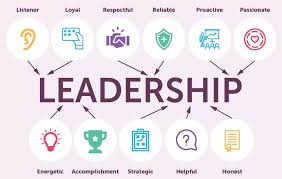
Course Overview
Training Course on Building Core Leadership & Supervisory Competencies
Introduction
In today's dynamic business landscape, the demand for effective leadership development and robust supervisory skills is paramount for organizational success. This comprehensive training course is meticulously designed to equip individuals with the essential competencies to excel in leadership roles and effectively guide teams towards achieving strategic objectives. Participants will gain practical insights and actionable strategies to enhance their ability to motivate teams, improve communication, and foster a high-performance work environment. By focusing on core leadership principles and crucial supervisory techniques, this course aims to cultivate confident and capable leaders who can drive employee engagement, navigate complex challenges, and contribute significantly to organizational growth and talent development.
This intensive program delves into the critical aspects of team leadership, performance management, and conflict resolution, providing a holistic approach to building well-rounded and impactful leaders. Through interactive learning and real-world case studies, participants will develop a deep understanding of how to delegate effectively, provide constructive feedback, and cultivate a culture of accountability and trust. The course emphasizes the importance of emotional intelligence and strategic thinking in leadership, enabling participants to inspire their teams, make sound decisions, and adapt to evolving organizational needs. Ultimately, this training empowers individuals to transition into or enhance their leadership roles, fostering a more agile, productive, and engaged workforce, thereby yielding significant organizational effectiveness.
Course Duration
10 days
Course Objectives
- Understanding foundational concepts of effective leadership and their practical application.
- Enhancing verbal, non-verbal, and written communication skills for clear and impactful interactions.
- Learning strategies to foster collaboration, trust, and shared goals within teams.
- Discovering techniques to inspire and motivate team members to achieve their full potential.
- Acquiring methods for setting clear expectations, providing feedback, and conducting performance evaluations.
- Learning how to effectively assign tasks and empower team members.
- Gaining skills to address and resolve workplace conflicts constructively.
- Understanding and managing one's own emotions and recognizing the emotions of others to build stronger relationships.
- Learning frameworks and techniques for making sound and timely decisions.
- Implementing strategies to promote ownership and responsibility within teams.
- Encouraging new ideas and problem-solving approaches within the team.
- Understanding change management principles and how to guide teams through transitions.
- Learning to align team goals with the broader organizational vision and strategy.
Organizational Benefits
- Enhanced Leadership Capabilities
- Improved Employee Engagement and Retention.
- Increased Team Productivity and Performance.
- Stronger Organizational Culture.
- More Effective Communication.
- Better Conflict Resolution
- Improved Decision-Making Processes.
- Enhanced Adaptability to Change.
- Increased Innovation and Creativity
- Stronger Talent Development Pipeline.
Target Participants
This training course is designed for individuals in the following roles:
- New Supervisors and Team Leaders.
- Experienced Supervisors.
- Middle Managers.
- Project Managers.
- High-Potential Employees.
- HR Professionals.
- Entrepreneurs and Small Business Owners
- Aspiring Leaders.
Course Outline
Module 1: Foundations of Effective Leadership
- Defining leadership and its various styles.
- Identifying key traits and qualities of successful leaders.
- Understanding the difference between leadership and management.
- Exploring the importance of vision and values in leadership.
- Assessing your personal leadership style and potential.
Module 2: Mastering Communication for Leaders
- Developing active listening skills and providing empathetic responses.
- Utilizing clear and concise verbal communication techniques.
- Understanding the impact of non-verbal communication.
- Writing effective emails, reports, and other professional correspondence.
- Delivering impactful presentations and facilitating discussions.
Module 3: Building and Leading High-Performance Teams
- Understanding team dynamics and the stages of team development.
- Establishing clear team goals and expectations.
- Fostering collaboration, trust, and psychological safety within teams.
- Leveraging individual strengths and managing team diversity.
- Facilitating effective team meetings and decision-making processes.
Module 4: Motivating and Engaging Your Team
- Exploring various theories of motivation and their application in the workplace.
- Identifying individual and team motivators.
- Providing recognition and rewards effectively.
- Creating a positive and supportive work environment.
- Empowering team members and fostering autonomy.
Module 5: Effective Performance Management
- Setting SMART goals and key performance indicators (KPIs).
- Providing constructive feedback and coaching for improvement.
- Conducting effective performance appraisals and development discussions.
- Addressing underperformance and implementing performance improvement plans.
- Recognizing and rewarding high performance.
Module 6: The Art of Delegation and Empowerment
- Identifying tasks suitable for delegation.
- Matching tasks to individual skills and development needs.
- Providing clear instructions and necessary resources.
- Monitoring progress and providing support without micromanaging.
- Empowering team members to take ownership and make decisions.
Module 7: Navigating and Resolving Workplace Conflicts
- Understanding the common causes and types of workplace conflict.
- Developing skills in active listening and mediation.
- Employing various conflict resolution styles and techniques.
- Facilitating constructive dialogue and finding mutually beneficial solutions.
- Preventing future conflicts through proactive communication and relationship building.
Module 8: Cultivating Emotional Intelligence in Leadership
- Understanding the five components of emotional intelligence
- Developing self-awareness of your own emotions and their impact.
- Learning to manage your emotions effectively under pressure.
- Building empathy and understanding the perspectives of others.
- Improving social skills for effective relationship building and influence.
Module 9: Enhancing Decision-Making and Problem-Solving Skills
- Identifying different decision-making models and frameworks.
- Gathering and analyzing relevant information for decision-making.
- Evaluating alternatives and assessing potential risks.
- Making timely and confident decisions.
- Implementing decisions effectively and learning from outcomes.
Module 10: Fostering Accountability and Ownership
- Establishing clear expectations and responsibilities.
- Communicating the importance of accountability within the team.
- Implementing strategies for tracking progress and measuring results.
- Addressing issues of non-accountability constructively.
- Recognizing and rewarding individuals and teams for taking ownership.
Module 11: Driving Innovation and Creativity within Teams
- Creating a culture that encourages new ideas and experimentation.
- Utilizing brainstorming and other creative problem-solving techniques.
- Overcoming barriers to innovation and managing risk.
- Recognizing and rewarding innovative contributions.
- Fostering continuous improvement and learning from failures.
Module 12: Leading and Managing Organizational Change
- Understanding the different stages of the change management process.
- Communicating the need for change and its benefits effectively.
- Engaging and supporting team members through transitions.
- Addressing resistance to change and managing uncertainty.
- Reinforcing new behaviors and celebrating successes.
Module 13: Developing Strategic Thinking for Leaders
- Understanding the importance of aligning team goals with organizational strategy.
- Analyzing the internal and external environment.
- Developing a strategic mindset and long-term perspective.
- Translating strategic goals into actionable plans for the team.
- Evaluating the impact of team activities on organizational objectives.
Module 14: Ethical Leadership and Building Trust
- Understanding ethical principles in leadership.
- Modeling ethical behavior and promoting integrity within the team.
- Building trust and credibility with team members and stakeholders.
- Making ethical decisions in challenging situations.
- Creating a culture of transparency and open communication.
Module 15: Action Planning and Continuous Development
- Reflecting on key learnings from the training course.
- Identifying individual strengths and areas for further development.
- Creating a personal leadership development plan.
- Exploring resources and strategies for continuous learning.
- Committing to ongoing self-improvement and application of learned skills.
Training Methodology
- Interactive Lectures and Presentations.
- Group Discussions and Activities.
- Case Studies and Real-World Examples.
- Role-Playing Exercises.
- Individual and Team-Based Exercises.
- Experiential Learning Activities.
- Feedback and Coaching.
- Action Planning.
Register as a group from 3 participants for a Discount
Send us an email: info@datastatresearch.org or call +254724527104
Certification
Upon successful completion of this training, participants will be issued with a globally- recognized certificate.
Tailor-Made Course
We also offer tailor-made courses based on your needs.
Key Notes
a. The participant must be conversant with English.
b. Upon completion of training the participant will be issued with an Authorized Training Certificate
c. Course duration is flexible and the contents can be modified to fit any number of days.
d. The course fee includes facilitation training materials, 2 coffee breaks, buffet lunch and A Certificate upon successful completion of Training.
e. One-year post-training support Consultation and Coaching provided after the course.
f. Payment should be done at least a week before commence of the training, to DATASTAT CONSULTANCY LTD account, as indicated in the invoice so as to enable us prepare better for you.