Training Course on Building and Customizing Drones
Training Course on Building and Customizing Drones provides a foundational understanding of drone design principles, equipping you with the essential skills to build custom drones tailored to specific applications.
Skills Covered
Course Overview
Training Course on Building and Customizing Drones
Introduction
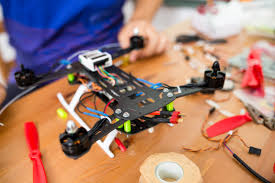
Embark on a transformative journey into the dynamic world of drone technology. Training Course on Building and Customizing Drones provides a foundational understanding of drone design principles, equipping you with the essential skills to build custom drones tailored to specific applications. Explore the intricacies of aerodynamics, power systems, and flight control systems, gaining hands-on experience in assembling and configuring your own unmanned aerial vehicles. Master the art of drone customization, learning to integrate advanced sensors, cameras, and payloads to unlock the full potential of these versatile machines.
Elevate your expertise in the rapidly evolving field of aerial robotics. This intensive program delves into advanced techniques for drone programming, autonomous flight, and data acquisition. Discover the power of open-source platforms and cutting-edge software to create intelligent drone solutions for industries ranging from agriculture and surveying to filmmaking and delivery services. Learn best practices in drone maintenance, regulatory compliance, and safe operation, ensuring you become a proficient and responsible drone professional.
Course Duration
10 days
Course Objectives
- Understand the fundamental principles of drone design and engineering.
- Identify and select appropriate drone components for specific applications.
- Gain practical skills in drone assembly and soldering techniques.
- Master the configuration of flight controllers and electronic speed controllers (ESCs).
- Learn to calibrate sensors such as GPS, accelerometers, and gyroscopes.
- Develop proficiency in drone programming using open-source software.
- Implement autonomous flight modes and mission planning.
- Integrate various payloads including cameras, sensors, and delivery mechanisms.
- Understand the principles of drone aerodynamics and propulsion.
- Troubleshoot common drone hardware and software issues.
- Learn about drone regulations and airspace management.
- Develop best practices for drone maintenance and safety procedures.
- Explore the diverse applications of drones across various industries.
Organizational Benefits
- Enhanced operational efficiency through the deployment of customized drone solutions.
- Cost reduction in tasks such as surveying, inspection, and monitoring.
- Improved data collection and analysis capabilities with integrated sensors and software.
- Increased safety in hazardous environments by utilizing drones for remote operations.
- Innovation and competitive advantage through the adoption of cutting-edge drone technology.
- Development of in-house expertise in drone building, customization, and maintenance.
- Creation of new service offerings leveraging the unique capabilities of custom-built drones.
- Streamlined workflows and faster turnaround times for various tasks.
Target Audience
- Hobbyists and drone enthusiasts
- Engineers and technicians
- Photographers and videographers
- Surveyors and mappers
- Agricultural professionals
- Security and surveillance personnel
- Researchers and developers
- Individuals seeking a career in the drone industry
Course Outline
Module 1: Introduction to Drone Technology
- Overview of drone history and evolution.
- Types of drones and their applications.
- Key components of a drone system.
- Basic principles of flight and aerodynamics.
- Introduction to regulatory frameworks.
Module 2: Drone Design and Components
- Understanding different drone frame types.
- Selection criteria for motors and propellers.
- Battery technology and power management.
- Choosing the right flight controller.
- Introduction to electronic speed controllers (ESCs).
Module 3: Assembly and Soldering Techniques
- Safe soldering practices and techniques.
- Wiring diagrams and power distribution.
- Mounting motors, ESCs, and flight controllers.
- Connecting sensors and peripherals.
- Cable management and best practices.
Module 4: Flight Controller Configuration
- Introduction to popular flight controller software.
- Setting up basic parameters and calibrations.
- Configuring receiver and transmitter.
- Understanding flight modes and settings.
- Firmware flashing and updates.
Module 5: Sensor Integration and Calibration
- Working with GPS modules for navigation.
- Understanding accelerometer and gyroscope data.
- Integrating compasses and barometers.
- Calibrating sensors for accurate readings.
- Troubleshooting sensor issues.
Module 6: Introduction to Drone Programming
- Overview of drone programming platforms.
- Basic concepts of coding for drones.
- Working with software development kits (SDKs).
- Introduction to mission planning software.
- Executing basic flight commands.
Module 7: Autonomous Flight and Mission Planning
- Understanding different autonomous flight modes.
- Creating and executing flight plans.
- Working with waypoints and geofencing.
- Implementing automated landing sequences.
- Advanced mission planning strategies.
Module 8: Payload Integration and Customization
- Mounting and wiring cameras and gimbals.
- Integrating various sensor types (e.g., LiDAR, multispectral).
- Working with delivery mechanisms.
- Powering and controlling external payloads.
- Custom payload design considerations.
Module 9: Aerodynamics and Propulsion
- Principles of lift, drag, thrust, and weight.
- Understanding propeller design and efficiency.
- Motor performance characteristics.
- Factors affecting flight time and range.
- Advanced aerodynamic concepts.
Module 10: Power Systems and Battery Management
- Deeply understand different types of drone batteries."
· Best practices for battery charging and discharging
- Battery Safety and Maintenance Guidelines.
- The function of the Power Management Unit (PMU)
- Tips to extend battery life.
Module 11: Troubleshooting and Maintenance
- Identifying common hardware issues.
- Diagnosing software and firmware problems.
- Performing routine maintenance tasks.
- Repairing damaged components.
- Best practices for drone storage and transportation.
Module 12: Regulatory Compliance and Airspace Management
- Understanding local and international drone regulations.
- Airspace classifications and restrictions.
- Obtaining necessary permits and licenses.
- Best practices for safe drone operations.
- Staying updated on regulatory changes.
Module 13: Advanced Customization Techniques
- 3D printing custom drone parts.
- Working with different materials.
- Advanced wiring and integration.
- Implementing custom control systems.
- Exploring advanced sensor integration.
Module 14: Drone Applications Across Industries
- Drones in agriculture and precision farming.
- Drones for surveying and mapping.
- Drones in filmmaking and aerial photography.
- Drones for infrastructure inspection.
- Emerging applications of drone technology.
Module 15: Future Trends in Drone Technology
- Developments in autonomous flight and AI.
- Advancements in battery technology and propulsion.
- The future of drone regulations.
- Emerging drone applications and markets.
- Ethical considerations in drone technology.
Training Methodology
This course employs a blended learning approach, combining theoretical knowledge with hands-on practical experience. Key elements include:
- Interactive lectures and presentations: Covering the fundamental concepts and principles of drone technology.
- Hands-on assembly and customization labs: Providing practical experience in building and modifying drones.
- Software tutorials and programming exercises: Developing skills in drone control and autonomous flight.
- Case studies and real-world applications: Illustrating the diverse uses of custom-built drones.
- Group projects and collaborative learning: Fostering teamwork and problem-solving skills.
Register as a group from 3 participants for a Discount
Send us an email: info@datastatresearch.org or call +254724527104
Certification
Upon successful completion of this training, participants will be issued with a globally- recognized certificate.
Tailor-Made Course
We also offer tailor-made courses based on your needs.
Key Notes
a. The participant must be conversant with English.
b. Upon completion of training the participant will be issued with an Authorized Training Certificate
c. Course duration is flexible and the contents can be modified to fit any number of days.
d. The course fee includes facilitation training materials, 2 coffee breaks, buffet lunch and A Certificate upon successful completion of Training.
e. One-year post-training support Consultation and Coaching provided after the course.
f. Payment should be done at least a week before commence of the training, to DATASTAT CONSULTANCY LTD account, as indicated in the invoice so as to enable us prepare better for you.