Training Course on Achieving Business Process Change
Training Course on Achieving Business Process Change delves into the core principles of business process optimization and provides a structured framework for achieving tangible results.
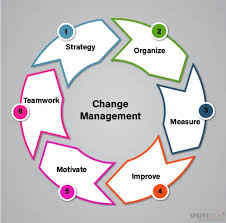
Course Overview
Training Course on Achieving Business Process Change
Introduction
In today's dynamic business landscape, the ability to strategically implement and manage business process change is paramount for sustained growth and competitive advantage. This comprehensive training course equips participants with the essential knowledge and practical skills to navigate the complexities of organizational transformation. By focusing on proven change management methodologies and fostering a culture of continuous improvement, this program empowers individuals and teams to effectively analyze, design, implement, and sustain impactful process changes. Participants will gain a deep understanding of how to identify opportunities for optimization, engage stakeholders effectively, and mitigate risks associated with change initiatives, ultimately driving organizational agility and resilience.
This intensive course delves into the core principles of business process optimization and provides a structured framework for achieving tangible results. Through interactive sessions and real-world case studies, learners will master key techniques for process mapping, analysis, and redesign. Emphasis is placed on understanding the human element of change, equipping participants with strategies to overcome resistance and build buy-in across all levels of the organization. By the end of this program, attendees will be proficient in applying various change management tools and techniques to lead successful business process change initiatives, contributing directly to enhanced efficiency, reduced costs, and improved customer satisfaction.
Course Duration
10 days
Course Objectives
- Define Business Process Management (BPM) and its critical role in organizational success.
- Identify Drivers of Change and understand the organizational need for process improvement.
- Apply Change Management Models such as Lewin's 3-Step Model and Kotter's 8-Step Model effectively.
- Master Process Mapping Techniques to visualize and analyze current state processes.
- Conduct Gap Analysis to identify discrepancies between current and desired process states.
- Develop a Change Management Plan with clear objectives, timelines, and resource allocation.
- Implement Effective Communication Strategies to engage stakeholders throughout the change journey.
- Utilize Stakeholder Analysis to identify and manage the needs and expectations of involved parties.
- Address Resistance to Change proactively and implement mitigation strategies.
- Apply Lean Principles to eliminate waste and improve process efficiency.
- Understand Six Sigma Methodology for process improvement and defect reduction.
- Implement Change Evaluation Metrics and monitor the success of change initiatives.
- Foster a Culture of Continuous Improvement to sustain process excellence.
Organizational Benefits
- Increased Efficiency and Productivity: Streamlined processes lead to reduced redundancies and improved output.
- Reduced Operational Costs: Process optimization can identify and eliminate wasteful activities.
- Improved Customer Satisfaction: Efficient and customer-centric processes enhance service delivery.
- Enhanced Organizational Agility: A change-ready culture allows for quicker adaptation to market shifts.
- Better Decision-Making: Data-driven process analysis provides insights for informed choices.
- Increased Employee Engagement: Involvement in process improvement fosters ownership and motivation.
- Reduced Risks and Errors: Standardized processes minimize inconsistencies and potential mistakes.
- Improved Compliance: Well-defined processes ensure adherence to regulations and standards.
- Enhanced Innovation: A culture of continuous improvement encourages new ideas and approaches.
- Stronger Competitive Advantage: Efficient and effective processes differentiate the organization in the market.
Target Audience
- Project Managers
- Business Analysts
- Operations Managers
- Team Leaders
- Middle Management
- Senior Leadership
- Change Agents
- Process Improvement Professionals
Course Outline
Module 1: Foundations of Business Process Change
- Understanding the Business Process Lifecycle.
- The Importance of Process Alignment with Business Strategy.
- Identifying Opportunities for Process Improvement.
- Introduction to Change Management Principles.
- The Role of Leadership in Driving Process Change.
Module 2: Understanding the Need for Change
- Analyzing Internal and External Drivers of Change.
- Assessing Organizational Change Readiness.
- Identifying the Impact of Inefficient Processes.
- Defining the Vision for Process Improvement.
- Building a Case for Business Process Change.
Module 3: Core Change Management Models and Frameworks
- Lewin's 3-Step Model: Unfreeze, Change, Refreeze.
- Kotter's 8-Step Model for Leading Change.
- The ADKAR Model for Individual Change.
- Bridges' Transition Model: Endings, Neutral Zone, Beginnings.
- The McKinsey 7-S Framework for Organizational Change.
Module 4: Process Mapping and Analysis Techniques
- Introduction to Various Process Mapping Tools (e.g., Flowcharts, SIPOC).
- Techniques for Documenting Current State Processes (As-Is).
- Identifying Process Bottlenecks and Inefficiencies.
- Conducting Value Stream Mapping for Waste Identification.
- Analyzing Process Performance Metrics and KPIs.
Module 5: Defining the Future State and Process Redesign
- Principles of Effective Process Design (To-Be).
- Incorporating Best Practices and Industry Standards.
- Leveraging Technology for Process Automation.
- Developing Process Improvement Objectives and Goals.
- Creating Process Design Documentation.
Module 6: Developing the Change Management Plan
- Identifying Key Stakeholders and Their Impact.
- Developing a Comprehensive Communication Strategy.
- Planning for Stakeholder Engagement and Involvement.
- Assessing Potential Resistance and Developing Mitigation Plans.
- Establishing Timelines, Resources, and Budgets for Change Initiatives.
Module 7: Effective Communication and Stakeholder Engagement
- Principles of Clear and Consistent Communication.
- Tailoring Communication to Different Stakeholder Groups.
- Utilizing Various Communication Channels Effectively.
- Strategies for Active Listening and Feedback Collection.
- Building Trust and Credibility with Stakeholders.
Module 8: Managing Resistance to Change
- Understanding the Root Causes of Resistance.
- Identifying Different Types of Resistance Behaviors.
- Strategies for Addressing and Overcoming Resistance.
- Involving Resistors in the Change Process.
- Building a Supportive Environment for Change.
Module 9: Implementing and Sustaining Change
- Developing a Phased Approach to Change Implementation.
- Managing the Transition Process Effectively.
- Providing Support and Training for New Processes.
- Establishing Mechanisms for Monitoring and Evaluation.
- Strategies for Embedding Changes into Organizational Culture.
Module 10: Introduction to Lean and Six Sigma for Process Improvement
- Core Principles of Lean Manufacturing and Service Delivery.
- Identifying and Eliminating the Eight Wastes (TIM WOODS).
- Introduction to Value Stream Mapping in Lean.
- Overview of the Six Sigma DMAIC Methodology.
- Applying Basic Lean and Six Sigma Tools for Process Optimization.
Module 11: Measuring and Evaluating Change Effectiveness
- Identifying Key Performance Indicators (KPIs) for Process Change.
- Developing Metrics to Track the Success of Change Initiatives.
- Collecting and Analyzing Data to Measure Impact.
- Reporting on Change Progress and Outcomes.
- Making Adjustments Based on Evaluation Findings.
Module 12: Fostering a Culture of Continuous Improvement
- Understanding the Principles of Continuous Improvement (Kaizen).
- Empowering Employees to Identify and Implement Improvements.
- Establishing Feedback Mechanisms for Ongoing Process Optimization.
- Recognizing and Rewarding Improvement Efforts.
- Integrating Continuous Improvement into Daily Operations.
Module 13: Leading Change with Emotional Intelligence
- Understanding the Role of Emotional Intelligence in Change Leadership.
- Developing Self-Awareness and Empathy in Leading Change.
- Effective Communication and Building Relationships During Change.
- Managing Emotions and Stress During Times of Transition.
- Inspiring and Motivating Teams Through Change.
Module 14: Technology and Business Process Change
- The Role of Technology in Enabling Process Improvement.
- Identifying Opportunities for Process Automation.
- Evaluating and Selecting Appropriate Technology Solutions.
- Managing the Implementation of Technology-Driven Change.
- Considering the Human Impact of Technological Change.
Module 15: Case Studies and Practical Application
- Analyzing Real-World Case Studies of Successful and Unsuccessful Process Change Initiatives.
- Applying Course Concepts and Tools to Practical Scenarios.
- Group Exercises and Simulations for Hands-On Experience.
- Developing Action Plans for Implementing Change in Participants' Organizations.
- Sharing Best Practices and Lessons Learned.
Training Methodology
This training course will employ a blended learning approach, incorporating:
- Interactive Lectures: Engaging presentations with real-world examples.
- Group Discussions: Facilitating peer learning and knowledge sharing.
- Case Study Analysis: Applying concepts to practical business scenarios.
- Practical Exercises: Hands-on activities to reinforce learning.
- Role-Playing: Simulating change management situations.
- Templates and Tools: Providing practical resources for immediate application.
- Q&A Sessions: Addressing participant queries and concerns.
Register as a group from 3 participants for a Discount
Send us an email: info@datastatresearch.org or call +254724527104
Certification
Upon successful completion of this training, participants will be issued with a globally- recognized certificate.
Tailor-Made Course
We also offer tailor-made courses based on your needs.
Key Notes
a. The participant must be conversant with English.
b. Upon completion of training the participant will be issued with an Authorized Training Certificate
c. Course duration is flexible and the contents can be modified to fit any number of days.
d. The course fee includes facilitation training materials, 2 coffee breaks, buffet lunch and A Certificate upon successful completion of Training.
e. One-year post-training support Consultation and Coaching provided after the course.
f. Payment should be done at least a week before commence of the training, to DATASTAT CONSULTANCY LTD account, as indicated in the invoice so as to enable us prepare better for you.