The In Vitro And In Vivo Models For Disease Modeling Training Course
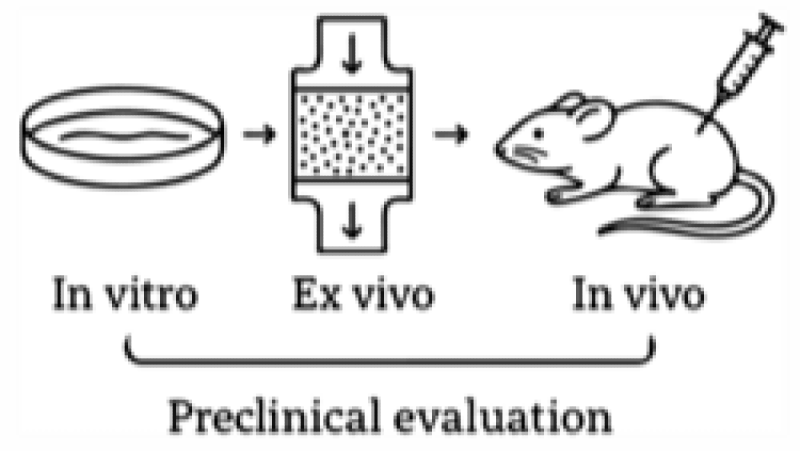
The In Vitro And In Vivo Models For Disease Modeling Training Course is designed to provide comprehensive knowledge on laboratory models used in drug discovery, disease pathophysiology, and therapeutic research
Course Overview
The In Vitro And In Vivo Models For Disease Modeling Training Course
Introduction
The In Vitro And In Vivo Models For Disease Modeling Training Course is designed to provide comprehensive knowledge on laboratory models used in drug discovery, disease pathophysiology, and therapeutic research. With the global focus on precision medicine and personalized treatments, the course equips professionals and researchers with a deep understanding of both in vitro and in vivo models. This course is crucial for those seeking to improve the design, efficiency, and reproducibility of experiments, especially in disease modeling and preclinical trials. By exploring the benefits and limitations of each model type, participants will be empowered to select the most appropriate system for their research needs, ensuring robust and reliable data.
As the biomedical and pharmaceutical industries push forward with innovative therapies, understanding the intricacies of disease modeling using in vitro and in vivo models becomes more imperative than ever. This course integrates key concepts in molecular biology, pharmacology, and toxicology with practical, hands-on training to develop expertise in modeling diseases such as cancer, neurodegenerative disorders, cardiovascular diseases, and metabolic conditions. With a focus on the latest technological advancements in model development, data interpretation, and regulatory frameworks, learners will gain crucial skills that will enhance their career prospects in academia, biotechnology, and pharmaceutical sectors.
Course Duration
10 days
Course Objectives
- Understand the fundamentals of disease modeling using in vitro and in vivo models.
- Gain expertise in cell culture techniques for creating in vitro disease models.
- Learn about animal models and their significance in preclinical trials and drug testing.
- Evaluate the efficacy and safety of therapeutic interventions in disease models.
- Understand the regulatory landscape of disease modeling for research and clinical applications.
- Integrate genomics and biomarker identification in disease modeling strategies.
- Explore the application of CRISPR/Cas9 gene editing in creating disease models.
- Develop skills in data analysis and interpretation for model validation and optimization.
- Understand pathophysiological mechanisms in various diseases using model systems.
- Investigate personalized medicine approaches through patient-derived models.
- Learn best practices in model standardization and reproducibility.
- Understand ethical concerns and animal welfare guidelines in in vivo disease modeling.
- Acquire knowledge of emerging trends and technologies in disease modeling research.
Target Audience
- Biomedical Researchers
- Pharmaceutical Scientists
- Biotechnology Professionals
- Preclinical Research Teams
- Academic Faculty and Researchers
- Regulatory Affairs Experts
- Clinical Trial Managers
- Healthcare Innovators
Course Modules
Module 1: Introduction to Disease Modeling
- Overview of in vitro and in vivo models
- Historical background and evolution
- Key differences between models
- Case Study: Selection criteria for disease models
- Limitations and advantages of each approach
Module 2: Fundamentals of In Vitro Models
- Cell culture techniques for disease modeling
- Types of in vitro models
- Primary vs. immortalized cell lines
- In vitro model validation and optimization
- Case Study: Development of a cancer cell model
Module 3: Fundamentals of In Vivo Models
- Overview of in vivo models in disease research
- Types of animal models (rodents, non-human primates)
- Ethical considerations in animal research
- In vivo model design and implementation
- Case Study: Mice models for neurodegenerative diseases
Module 4: Disease Models for Cancer Research
- Cellular and molecular mechanisms of cancer
- Development of cancer-specific models (e.g., breast, lung cancer)
- Animal models for cancer research
- Tumor microenvironment and its impact on research
- Case Study: Testing new chemotherapy drugs in mouse models
Module 5: Disease Models for Cardiovascular Diseases
- Pathophysiology of cardiovascular diseases
- Animal models of heart disease and hypertension
- In vitro models for cardiac tissue engineering
- Drug screening for cardiovascular therapies
- Case Study: Studying heart failure in rats
Module 6: Neurodegenerative Disease Models
- Mechanisms behind neurodegeneration
- Models for Alzheimer's and ParkinsonΓÇÖs diseases
- In vitro neuronal cultures for disease modeling
- Role of animal models in understanding brain diseases
- Case Study: Developing a ParkinsonΓÇÖs disease model in primates
Module 7: Infectious Disease Models
- Mechanisms of infection and host responses
- Animal models for bacterial and viral infections
- In vitro models for immune response testing
- Screening antiviral drugs in disease models
- Case Study: HIV infection in humanized mouse models
Module 8: Genetic Engineering in Disease Modeling
- Role of gene editing in model creation
- CRISPR/Cas9 in disease models
- Transgenic and knockout models
- Ethical considerations in genetic manipulation
- Case Study: Using CRISPR to create disease models
Module 9: Personalized Medicine and Disease Models
- Patient-derived disease models
- Application of precision medicine in model systems
- Impact of genetic variability on disease modeling
- Tailoring drug development based on patient-specific models
- Case Study: Using patient-derived xenografts in cancer research
Module 10: Toxicology and Safety Testing
- Understanding toxicity in disease models
- In vitro and in vivo toxicology assays
- Safety evaluation in drug discovery
- Regulatory guidelines for safety testing
- Case Study: Testing liver toxicity in rat models
Module 11: Ethical Issues and Regulatory Guidelines
- Overview of ethical frameworks in research
- Animal welfare regulations (e.g., 3Rs principle)
- Regulatory bodies and guidelines (FDA, EMA)
- Ensuring ethical compliance in model use
- Case Study: Regulatory approval for new animal models
Module 12: Data Analysis and Interpretation
- Techniques for data collection and analysis
- Statistical methods in disease modeling
- Addressing variability and reproducibility
- Use of bioinformatics tools in model validation
- Case Study: Statistical analysis of preclinical trial results
Module 13: Emerging Trends in Disease Modeling
- Cutting-edge technologies in model development
- AI and machine learning in disease modeling
- Organs-on-chips and 3D bioprinting
- Evolution of hybrid in vitro/in vivo models
- Case Study: 3D printed organs for drug testing
Module 14: Disease Modeling for Regenerative Medicine
- Stem cells and tissue engineering for disease models
- Regenerative therapies and disease modeling
- Disease models for regenerative research
- Translational research in regenerative medicine
- Case Study: Stem cell therapy for heart disease models
Module 15: Future of Disease Modeling and Drug Development
- The role of disease modeling in clinical trials
- Advances in personalized drug development
- The integration of multi-disciplinary research
- The future of disease modeling technologies
- Case Study: Future directions in cancer drug discovery
Training Methodology
- Lectures: Expert-led sessions covering theoretical aspects.
- Hands-On Workshops: Practical training with models in labs.
- Case Studies: Real-world scenarios and problem-solving.
- Interactive Discussions: Engaging peer-to-peer learning.
- Guest Speakers: Industry professionals sharing insights.
Register as a group from 3 participants for a Discount
Send us an email: info@datastatresearch.org or call +254724527104
Certification
Upon successful completion of this training, participants will be issued with a globally- recognized certificate.
Tailor-Made Course
We also offer tailor-made courses based on your needs.
Key Notes
a. The participant must be conversant with English.
b. Upon completion of training the participant will be issued with an Authorized Training Certificate
c. Course duration is flexible and the contents can be modified to fit any number of days.
d. The course fee includes facilitation training materials, 2 coffee breaks, buffet lunch and A Certificate upon successful completion of Training.
e. One-year post-training support Consultation and Coaching provided after the course.
f. Payment should be done at least a week before commence of the training, to DATASTAT CONSULTANCY LTD account, as indicated in the invoice so as to enable us prepare better for you.