The Geopolitics of the South China Sea Training Course
The Geopolitics of the South China Sea Training Course is designed to equip participants with the essential strategic foresight and geopolitical intelligence needed to navigate the complexities of the South China Sea.
Skills Covered
Course Overview
The Geopolitics of the South China Sea Training Course
Introduction
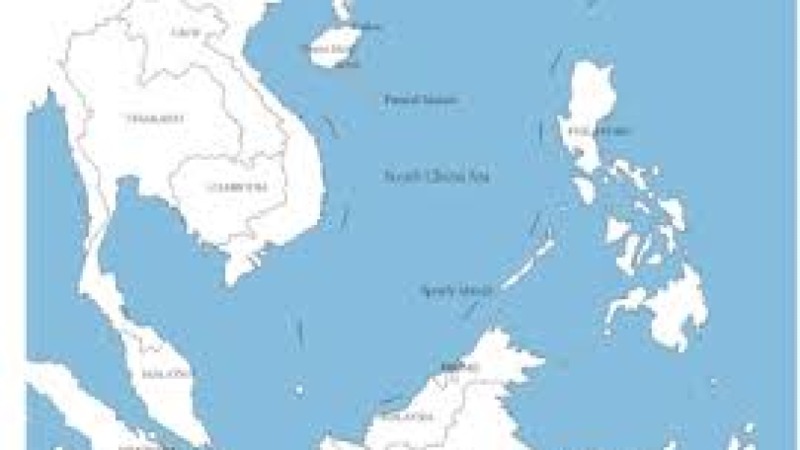
The South China Sea is a critical geopolitical hotspot at the crossroads of maritime security, global trade, and great power competition. This complex region, rich in energy resources and vital shipping lanes, is the subject of intricate territorial disputes and competing claims among multiple nations, including China, Vietnam, the Philippines, and others. The escalating tensions and militarization of the area have far-reaching implications for international law, regional stability, and the global economy. This course provides a comprehensive analysis of the South China Sea's geopolitics, unraveling the historical roots, legal frameworks, and strategic dynamics that define this volatile region.
The Geopolitics of the South China Sea Training Course is designed to equip participants with the essential strategic foresight and geopolitical intelligence needed to navigate the complexities of the South China Sea. Through a rigorous examination of maritime law, international relations, and strategic analysis, the course offers deep insights into the interests of key players, the impact of grey zone tactics, and the future trajectory of the disputes. By understanding the intricate interplay of power, sovereignty, and resources, participants will be empowered to make informed decisions and develop effective strategies in a rapidly evolving Indo-Pacific security landscape.
Course Duration
5 days
Course Objectives
- Analyze the historical and legal basis of territorial claims in the South China Sea.
- Evaluate the strategic importance of the region for global trade and energy security.
- Assess the role of UNCLOS (United Nations Convention on the Law of the Sea) in the disputes.
- Examine the geopolitical strategies and maritime power projection of China.
- Understand the responses and alliance dynamics of Southeast Asian claimant states.
- Identify the interests and involvement of extra-regional powers, particularly the United States.
- Deconstruct grey zone tactics and maritime coercion in the area.
- Analyze the impact of the 2016 PCA ruling on international law.
- Explore the potential for conflict escalation and de-escalation pathways.
- Discuss the influence of the Indo-Pacific security architecture on the South China Sea.
- Assess the economic and environmental implications of resource exploitation.
- Develop an analytical framework for risk assessment and strategic foresight.
- Anticipate future trends and geopolitical shifts in the region.
Organizational Benefits
- Equip leaders and analysts with the knowledge to make informed decisions regarding investments, supply chains, and operational planning in a high-risk region.
- Develop a proactive approach to identifying and managing risks associated with political instability, maritime disputes, and potential disruptions to global commerce.
- Foster a deeper understanding of diplomatic complexities, enabling more effective engagement and negotiation with regional and international partners.
- Build internal expertise for conducting thorough geopolitical risk assessments and developing contingency plans.
- Gain a nuanced perspective on the geopolitical landscape, providing a strategic edge in market analysis and business development in the Indo-Pacific.
Target Audience
- Diplomats and Foreign Service Officers.
- Defense and Intelligence Analysts.
- Corporate Executives and Risk Managers.
- Academics and Researchers.
- Journalists and Policy Advisors.
- International Lawyers.
- Energy and Shipping Sector Professionals.
- Graduate and Postgraduate Students.
Course Outline
Module 1: The Historical & Legal Foundation
- Historical claims: The Nine-Dash Line and historical narratives.
- Legal frameworks: An in-depth look at UNCLOS and its application.
- Key geographical features: The Paracel and Spratly Islands.
- The role of the Permanent Court of Arbitration (PCA) and the 2016 ruling.
- Case Study: The Philippines v. China arbitration case and its legal implications.
Module 2: Great Power Competition & Strategic Interests
- China's assertive strategy: Maritime militia, island-building, and military bases.
- The United States' role: Freedom of Navigation Operations (FONOPs) and alliances.
- The interests of other major powers: Japan, Australia, and India.
- Economic dimensions: Securing sea lanes of communication (SLOCs).
- Case Study: The standoff at Scarborough Shoal and its impact on U.S.-Philippines relations.
Module 3: Regional Actors & Responses
- The Philippines' response: From diplomatic arbitration to a strengthened alliance with the U.S.
- Vietnam's strategy: Balancing resistance and cooperation with China.
- Malaysia and Brunei: Managing claims and joint development areas.
- ASEAN's role: The Code of Conduct and its effectiveness.
- Case Study: Vietnam's oil exploration in the Vanguard Bank area and China's assertive response.
Module 4: Maritime Coercion & Security Challenges
- Understanding grey zone tactics: The use of maritime militias and coast guard vessels.
- Naval capabilities and power projection in the South China Sea.
- Safety and risks for commercial shipping and fishing vessels.
- Cyber warfare and information operations.
- Case Study: China Coast Guard's use of water cannons against Philippine vessels at Second Thomas Shoal.
Module 5: Resources, Environment & Future Dynamics
- Energy resources: Oil and natural gas potential and competing claims.
- Fisheries and food security: The impact of overfishing and illegal activities.
- Environmental consequences of island-building and dredging.
- The future of the Indo-Pacific Strategy and its influence on the region.
- Case Study: The environmental damage caused by coral reef destruction due to land reclamation.
Module 6: Scenario Planning & Risk Analysis
- Developing geopolitical risk assessment frameworks.
- Analyzing potential conflict scenarios and escalation triggers.
- Forecasting future trends in maritime disputes and technological advancements.
- Strategic foresight for business and government.
- Case Study: A simulated crisis scenario involving a collision between a naval and a fishing vessel.
Module 7: Diplomacy & Conflict Resolution
- Diplomatic channels: Bilateral talks and multilateral forums.
- Legal and non-binding agreements.
- The role of international organizations and third-party mediation.
- Confidence-building measures and transparency initiatives.
- Case Study: The South China Sea Workshop on Managing Potential Conflicts and its limitations.
Module 8: The Geopolitical Pivot & Global Implications
- The South China Sea as a theater for U.S.-China strategic competition.
- The impact on global supply chains and economic stability.
- Implications for international law and the rules-based order.
- Future geopolitical shifts and the rise of new security alignments.
- Case Study: The AUKUS security pact and its strategic relevance to the region.
Training Methodology
This course employs a blended training methodology that combines interactive lectures, expert-led discussions, and practical exercises. Participants will engage in case-study analysis to apply theoretical knowledge to real-world scenarios. The methodology includes:
- Interactive Lectures: Led by subject matter experts with extensive experience in geopolitical analysis and international relations.
- Scenario-Based Simulations: To allow participants to practice strategic foresight and decision-making under pressure.
- Group Discussions: Fostering peer-to-peer learning and the exchange of diverse perspectives.
- Multimedia Resources: Incorporating maps, data visualizations, and archival footage to provide a comprehensive understanding of the region.
Register as a group from 3 participants for a Discount
Send us an email: info@datastatresearch.org or call +254724527104
Certification
Upon successful completion of this training, participants will be issued with a globally- recognized certificate.
Tailor-Made Course
We also offer tailor-made courses based on your needs.
Key Notes
a. The participant must be conversant with English.
b. Upon completion of training the participant will be issued with an Authorized Training Certificate
c. Course duration is flexible and the contents can be modified to fit any number of days.
d. The course fee includes facilitation training materials, 2 coffee breaks, buffet lunch and A Certificate upon successful completion of Training.
e. One-year post-training support Consultation and Coaching provided after the course.
f. Payment should be done at least a week before commence of the training, to DATASTAT CONSULTANCY LTD account, as indicated in the invoice so as to enable us prepare better for you.