The Geopolitics of the Arctic Region Training Course
The Geopolitics of the Arctic Region Training Course offers a deep dive into the legal, economic, and security dimensions of the Arctic, moving beyond traditional narratives to focus on multilateral cooperation, indigenous governance, and sustainable development.
Skills Covered
Course Overview
The Geopolitics of the Arctic Region Training Course
Introduction
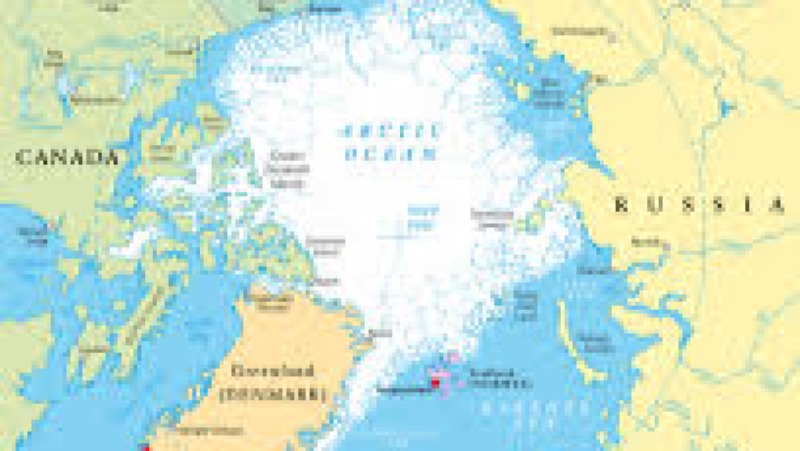
The Arctic region is undergoing a rapid and profound transformation driven by climate change and shifting global power dynamics. As the polar ice caps melt, the region's vast natural resources and strategic maritime routes are becoming more accessible, leading to a surge in international interest and competition. This course, "The Geopolitics of the Arctic Region," provides a comprehensive and timely exploration of the complex interplay of geopolitical shifts, resource competition, and environmental security in the High North. It's designed to equip professionals with the critical knowledge and strategic foresight needed to navigate this complex and evolving landscape.
The Geopolitics of the Arctic Region Training Course offers a deep dive into the legal, economic, and security dimensions of the Arctic, moving beyond traditional narratives to focus on multilateral cooperation, indigenous governance, and sustainable development. We'll analyze the actions and interests of key state and non-state actors including Russia, China, the U.S., and the Arctic Council and examine the critical role of international law, particularly the UN Convention on the Law of the Sea (UNCLOS), in shaping the region's future. The course provides a crucial framework for understanding the strategic implications of a changing Arctic, enabling participants to make informed policy and business decisions.
Course Duration
5 days
Course Objectives
Upon completion of this course, participants will be able to:
- Analyze the impact of climate change on Arctic geopolitics and security.
- Evaluate the strategic and economic implications of emerging Arctic shipping routes.
- Assess competing sovereignty claims and territorial disputes in the Arctic.
- Examine the evolving military presence and power projection of states in the High North.
- Understand the legal frameworks and principles governing the Arctic, including UNCLOS.
- Identify and analyze the role of the Arctic Council and other multilateral forums.
- Explain the critical role of indigenous communities in Arctic governance and sustainable development.
- Discuss the challenges and opportunities of resource extraction and energy security.
- Analyze the foreign policies and interests of key players, including Russia, China, and the United States.
- Formulate strategies for conflict prevention and cooperation in the region.
- Assess the risks and benefits of Arctic investment and economic development.
- Interpret the interplay between Arctic security and global security.
- Develop a nuanced perspective on the future of the Arctic.
Organizational Benefits
- Develop a deep understanding of future trends and risks in the Arctic, allowing for proactive planning and policy formulation.
- Equip personnel with the knowledge to make informed decisions on issues related to maritime security, resource management, and international relations.
- Gain a clearer picture of potential geopolitical tensions, environmental hazards, and legal challenges to mitigate risks to operations, investments, and supply chains.
- Understand the complex interests of indigenous peoples and other Arctic actors, enabling more effective and ethical collaboration.
- Position your organization as a leader in a strategically vital region by demonstrating expertise and a sophisticated understanding of Arctic dynamics.
- Foster a culture of expertise that can contribute to national or corporate policies, enhancing your organization's role in shaping the Arctic's future.
Target Audience
- Government and foreign service officials
- Military and national security professionals
- Energy and natural resource industry executives
- Maritime and shipping industry leaders
- Environmental and climate change specialists
- Indigenous community representatives and policymakers
- Academics and researchers in international relations and polar studies
- Journalists and policy analysts covering international affairs
Course Outline
Module 1: The Foundations of Arctic Geopolitics
- Defining the Arctic: Geography, environment, and human populations.
- Historical context: From exploration to the Cold War.
- The impact of climate change on the Arctic landscape and ice melt.
- The role of the Arctic Council and other key institutions.
- Case Study: The 2007 Russian flag planting at the North Pole and its geopolitical implications.
Module 2: The New Great Game: State Interests and Competition
- Russia's Arctic strategy: Military modernization and economic development of the Northern Sea Route.
- China's "Polar Silk Road" and its growing economic and strategic presence.
- The United States' evolving security and policy posture in the High North.
- The roles of other Arctic states, including Canada, Norway, and Denmark (Greenland).
- Case Study: The ongoing geopolitical dynamics surrounding Greenland, its strategic minerals, and the interests of the U.S. and China.
Module 3: Security and Military Dynamics
- The militarization of the Arctic: Increased military exercises and infrastructure.
- Strategic waterways and choke points: The Northwest Passage and the Northern Sea Route.
- Submarine warfare and ballistic missile defense in the polar region.
- The role of NATO and non-Arctic military actors.
- Case Study: An analysis of Russia's expansion of its Northern Fleet and its new Arctic military bases.
Module 4: Law, Governance, and Diplomacy
- The UN Convention on the Law of the Sea (UNCLOS) and its application to the Arctic.
- Competing continental shelf claims and maritime boundary disputes.
- The role of science and international cooperation in governance.
- Arctic diplomacy: Forums for dialogue and conflict resolution.
- Case Study: The legal dispute between Denmark, Canada, and Russia over the Lomonosov Ridge and its potential for a peaceful resolution.
Module 5: Resources and Economic Development
- Vast untapped oil, gas, and mineral reserves.
- Challenges and opportunities of resource extraction in a harsh environment.
- Arctic tourism and its economic and environmental impacts.
- Emerging industries and investment trends.
- Case Study: The Shtokman gas field project in the Russian Arctic and the economic and technical challenges it highlights for resource development.
Module 6: Indigenous Peoples and Environmental Protection
- The rights and roles of indigenous peoples as permanent participants in Arctic governance.
- Indigenous knowledge and its importance in policymaking.
- Threats to indigenous cultures and ways of life from climate change and development.
- Environmental protection and sustainability frameworks.
- Case Study: The legal and cultural struggles of the Saami people in Scandinavia over land use and resource development.
Module 7: The Arctic and Global Security
- The link between Arctic stability and global power politics.
- The potential for "spillover" conflicts from other regions into the Arctic.
- The impact of global energy transitions on Arctic oil and gas.
- The Arctic as a new frontier for technological competition.
- Case Study: How the war in Ukraine has reshaped Arctic security cooperation and placed a focus on NATO's role.
Module 8: The Future of the Arctic
- Scenario planning for different Arctic futures: Conflict, cooperation, or a new status quo?
- The future of the Arctic Council and other international organizations.
- The long-term implications of thawing permafrost and changing ecosystems.
- Concluding thoughts and key takeaways for strategic planning.
- Case Study: The Svalbard Treaty and its ongoing relevance in managing conflicting interests between signatories, particularly in light of modern geopolitical realities.
Training Methodology
This course utilizes a blended learning approach to maximize engagement and knowledge retention. Key methodologies include:
- Interactive Lectures.
- Case Study Analysis.
- Simulations & Role-Playing
- Guest Speaker Sessions
- Collaborative Workshops: Group problem-solving and strategic planning sessions.
- Multimedia Resources.
Register as a group from 3 participants for a Discount
Send us an email: info@datastatresearch.org or call +254724527104
Certification
Upon successful completion of this training, participants will be issued with a globally- recognized certificate.
Tailor-Made Course
We also offer tailor-made courses based on your needs.
Key Notes
a. The participant must be conversant with English.
b. Upon completion of training the participant will be issued with an Authorized Training Certificate
c. Course duration is flexible and the contents can be modified to fit any number of days.
d. The course fee includes facilitation training materials, 2 coffee breaks, buffet lunch and A Certificate upon successful completion of Training.
e. One-year post-training support Consultation and Coaching provided after the course.
f. Payment should be done at least a week before commence of the training, to DATASTAT CONSULTANCY LTD account, as indicated in the invoice so as to enable us prepare better for you.