Systematic Reviews and Meta-Analysis Techniques Training Course
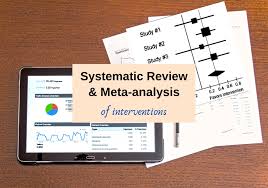
Systematic Reviews and Meta-Analysis Techniques Training Course equips researchers, academicians, clinicians, and policy advisors with advanced tools to evaluate, integrate, and interpret research findings.
Skills Covered
Course Overview
Systematic Reviews and Meta-Analysis Techniques Training Course
Introduction
In the era of evidence-based research, Systematic Reviews and Meta-Analysis have become essential methodologies for synthesizing scientific data and driving informed decisions in healthcare, social sciences, education, and policy-making. Systematic Reviews and Meta-Analysis Techniques Training Course equips researchers, academicians, clinicians, and policy advisors with advanced tools to evaluate, integrate, and interpret research findings. Participants will master robust analytical techniques, bias assessment, heterogeneity exploration, and data visualization, enabling them to contribute to high-impact publications and global research collaborations.
This course bridges methodological rigor with practical applications using cutting-edge software like RevMan, STATA, R, and Comprehensive Meta-Analysis (CMA). Participants will develop critical skills in research question formulation, data extraction, quality appraisal, effect size calculation, forest plots, funnel plots, and publication bias detection. Real-world case studies across various domains enhance the hands-on learning experience, ensuring that learners can translate theory into practice for academic publishing, policy development, and clinical guidelines formulation.
Course Objectives
- Understand the principles of systematic reviews and meta-analysis in research.
- Formulate precise PICO research questions for systematic inquiry.
- Conduct comprehensive literature searches using PRISMA guidelines.
- Master data extraction and management techniques for evidence synthesis.
- Apply critical quality assessment tools like ROBIS and GRADE.
- Analyze data using meta-analysis statistical methods and models.
- Interpret heterogeneity and subgroup analysis in meta-analysis.
- Detect and manage publication bias using funnel plots.
- Create forest plots and other meta-analytic visualizations.
- Utilize advanced meta-analysis software tools such as RevMan, STATA, and R.
- Translate systematic reviews into evidence-based policy and practice.
- Develop skills for reporting systematic reviews per PRISMA standards.
- Design and implement network meta-analysis and meta-regression.
Target Audiences
- Academic Researchers
- Medical and Clinical Practitioners
- Public Health Professionals
- Graduate and Postgraduate Students
- Policy Makers
- Health Economists
- Data Scientists and Statisticians
- NGO Program Evaluators
Course Duration: 5 days
Course Modules
Module 1: Introduction to Systematic Reviews and Meta-Analysis
- Overview of evidence-based research
- Systematic vs. narrative reviews
- Importance of meta-analysis in modern research
- Steps in conducting a systematic review
- Introduction to PRISMA and Cochrane guidelines
- Case Study: Impact of systematic reviews in clinical decision-making
Module 2: Formulating Research Questions and Search Strategies
- Defining PICO (Population, Intervention, Comparison, Outcome)
- Developing research protocols
- Creating reproducible search strategies
- Selecting relevant databases (PubMed, Scopus)
- Managing references with EndNote/Zotero
- Case Study: PICO application in healthcare interventions
Module 3: Literature Screening and Data Extraction
- Screening titles, abstracts, and full texts
- Data extraction forms and protocols
- Tools for data management (Covidence, Rayyan)
- Strategies to minimize selection bias
- Documentation of excluded studies
- Case Study: Data extraction for a cardiovascular research review
Module 4: Quality Assessment and Risk of Bias
- Assessing methodological quality with AMSTAR and ROBIS
- Understanding bias in primary studies
- Using GRADE for evidence certainty
- Handling missing data and reporting bias
- Calibration exercises for assessors
- Case Study: Risk of bias in oncology clinical trials
Module 5: Statistical Methods for Meta-Analysis
- Effect size calculation (OR, RR, SMD)
- Fixed-effect vs random-effects models
- Measuring heterogeneity (I², Tau²)
- Subgroup and sensitivity analysis
- Meta-regression techniques
- Case Study: Meta-analysis of mental health interventions
Module 6: Visualization and Interpretation of Results
- Constructing forest plots
- Creating funnel plots to assess bias
- Interpreting meta-analysis outcomes
- Presentation of findings in publications
- Visualizing data with R and STATA
- Case Study: Visualization in meta-analysis of obesity studies
Module 7: Advanced Meta-Analysis Techniques
- Network meta-analysis principles
- Cumulative meta-analysis
- Individual patient data (IPD) meta-analysis
- Bayesian meta-analysis approaches
- Addressing complex interventions
- Case Study: Network meta-analysis in pharmacological treatments
Module 8: Reporting and Translating Evidence into Practice
- Writing systematic reviews for journals
- PRISMA checklist for reporting
- Communicating findings to policymakers
- Incorporating reviews into clinical guidelines
- Ethics in systematic reviews
- Case Study: Translating evidence for WHO guidelines
Training Methodology
- Interactive lectures and expert-led presentations
- Hands-on practical sessions with relevant software (RevMan, R, STATA, CMA)
- Group discussions and collaborative problem-solving
- Guided exercises using real-world datasets
- Case study analysis and presentations
- Comprehensive resource materials and templates
Register as a group from 3 participants for a Discount
Send us an email: info@datastatresearch.org or call +254724527104
Certification
Upon successful completion of this training, participants will be issued with a globally- recognized certificate.
Tailor-Made Course
We also offer tailor-made courses based on your needs.
Key Notes
a. The participant must be conversant with English.
b. Upon completion of training the participant will be issued with an Authorized Training Certificate
c. Course duration is flexible and the contents can be modified to fit any number of days.
d. The course fee includes facilitation training materials, 2 coffee breaks, buffet lunch and A Certificate upon successful completion of Training.
e. One-year post-training support Consultation and Coaching provided after the course.
f. Payment should be done at least a week before commence of the training, to DATASTAT CONSULTANCY LTD account, as indicated in the invoice so as to enable us prepare better for you.