Quality Circles and Employee Involvement Training Course
Quality Circles and Employee Involvement Training Course focuses on enhancing employee engagement, improving communication, and fostering a culture of continuous improvement.
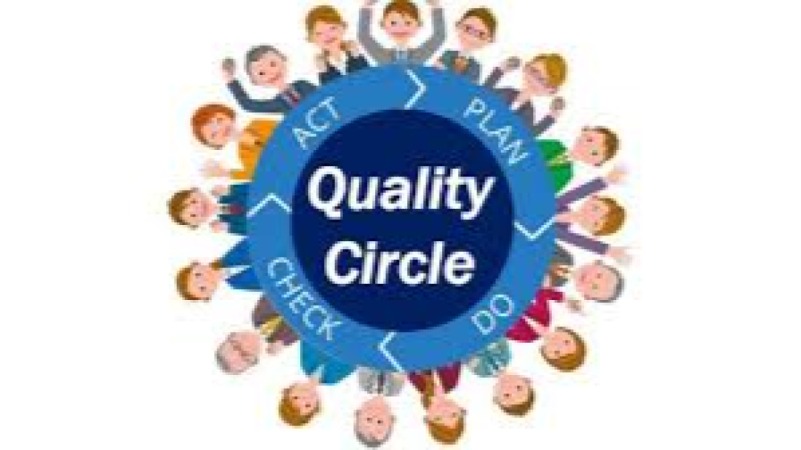
Course Overview
Quality Circles and Employee Involvement Training Course
Introduction
In todayΓÇÖs competitive business environment, organizations strive for excellence, productivity, and sustainable growth. Quality Circles and Employee Involvement strategies are proven approaches that empower employees to contribute directly to organizational success. Through structured participation, problem-solving, and collaboration, organizations can harness creativity and innovation from their workforce. Quality Circles and Employee Involvement Training Course focuses on enhancing employee engagement, improving communication, and fostering a culture of continuous improvement.
The program introduces participants to quality circle concepts, effective teamwork, and involvement techniques. It highlights strategies to identify challenges, design solutions, and implement changes that positively impact organizational performance. By integrating trending concepts such as employee empowerment, workplace innovation, agile practices, and high-performance culture, this course aims to maximize organizational effectiveness and drive long-term success.
Course Objectives
- To understand the concept of quality circles and employee involvement in modern organizations
- To explore trending practices in workplace empowerment and innovation
- To improve communication, collaboration, and decision-making among employees
- To enhance problem-solving and critical thinking capabilities at all organizational levels
- To apply continuous improvement methodologies within quality circles
- To implement agile and lean approaches for improved productivity
- To foster a high-performance organizational culture
- To integrate employee involvement with digital workplace transformation
- To analyze case studies of successful quality circle initiatives
- To align employee engagement with organizational goals
- To build leadership skills that encourage participation and ownership
- To apply change management principles for sustainable improvements
- To measure the impact of quality circles on organizational performance
Organizational Benefits
- Improved productivity and efficiency across departments
- Higher employee satisfaction and motivation
- Enhanced communication and collaboration within teams
- Reduction of workplace conflicts through inclusive participation
- Stronger alignment of organizational goals with employee contributions
- Greater adaptability to change and innovation
- Cost reduction through effective problem-solving initiatives
- Continuous improvement embedded into organizational culture
- Increased organizational competitiveness and market leadership
- Long-term sustainability through employee-driven innovation
Target Audiences
- Human Resource Managers
- Team Leaders and Supervisors
- Quality Assurance Professionals
- Operations Managers
- Change Management Specialists
- Organizational Development Consultants
- Senior Executives and Middle Managers
- Employees aspiring to leadership roles
Course Duration: 5 days
Course Modules
Module 1: Introduction to Quality Circles and Employee Involvement
- Definition and history of quality circles
- Importance of employee involvement in modern organizations
- Characteristics of effective quality circles
- The link between engagement and organizational success
- Role of management in supporting employee involvement
- Case study: Early adoption of quality circles in manufacturing
Module 2: Principles of Teamwork and Collaboration
- Building trust within teams
- Effective communication strategies
- Problem-solving as a collective process
- Leadership roles in quality circles
- Encouraging accountability and ownership
- Case study: Cross-functional teamwork in service industry
Module 3: Problem-Solving Tools and Techniques
- Root cause analysis methods
- Brainstorming and idea generation
- Pareto analysis for decision-making
- Fishbone diagram applications
- 5 Whys technique for identifying core issues
- Case study: Using problem-solving tools to reduce defects
Module 4: Employee Engagement and Motivation
- Drivers of employee engagement
- Motivation theories in workplace practice
- Recognition and reward systems
- Building a culture of trust
- Empowerment and decision-making
- Case study: Employee engagement in global organizations
Module 5: Quality Circles in Continuous Improvement
- Concept of Kaizen and quality circles
- Identifying improvement opportunities
- Implementing small changes with big impact
- Measuring continuous improvement results
- Sustaining improvements over time
- Case study: Kaizen practices in Japanese companies
Module 6: Lean and Agile Practices in Employee Involvement
- Lean principles for process efficiency
- Agile practices for flexibility and innovation
- Employee-driven process improvements
- Reducing waste through collaboration
- Linking agile with quality circles
- Case study: Agile transformation in IT projects
Module 7: Leadership and Facilitation Skills
- Role of leaders in employee involvement
- Facilitation techniques for effective meetings
- Conflict resolution within teams
- Encouraging inclusivity in discussions
- Coaching and mentoring quality circle teams
- Case study: Leadership impact on employee-driven initiatives
Module 8: Measuring Impact and Sustaining Quality Circles
- Key performance indicators for quality circles
- Evaluating engagement and results
- Long-term sustainability of employee involvement
- Aligning quality circles with organizational strategy
- Reporting and presenting outcomes
- Case study: Measuring ROI of employee involvement programs
Training Methodology
- Interactive lectures with real-world examples
- Group discussions and brainstorming activities
- Practical workshops with problem-solving exercises
- Role plays and simulations for active learning
- Analysis of case studies for practical application
- Feedback sessions and reflective learning activities
Register as a group from 3 participants for a Discount Send us an email: info@datastatresearch.org or call +254724527104
Certification
Upon successful completion of this training, participants will be issued with a globally- recognized certificate.
Tailor-Made Course
We also offer tailor-made courses based on your needs.
Key Notes
a. The participant must be conversant with English.
b. Upon completion of training the participant will be issued with an Authorized Training Certificate
c. Course duration is flexible and the contents can be modified to fit any number of days.
d. The course fee includes facilitation training materials, 2 coffee breaks, buffet lunch and A Certificate upon successful completion of Training.
e. One-year post-training support Consultation and Coaching provided after the course.
f. Payment should be done at least a week before commence of the training, to DATASTAT CONSULTANCY LTD account, as indicated in the invoice so as to enable us prepare better for you.