Passive Acoustic Monitoring for Wildlife Research Training Course
Passive Acoustic Monitoring (PAM) for Wildlife Research training course is designed to equip researchers, conservationists, and ecological data analysts with essential knowledge and practical skills to monitor biodiversity using sound-based technologies.
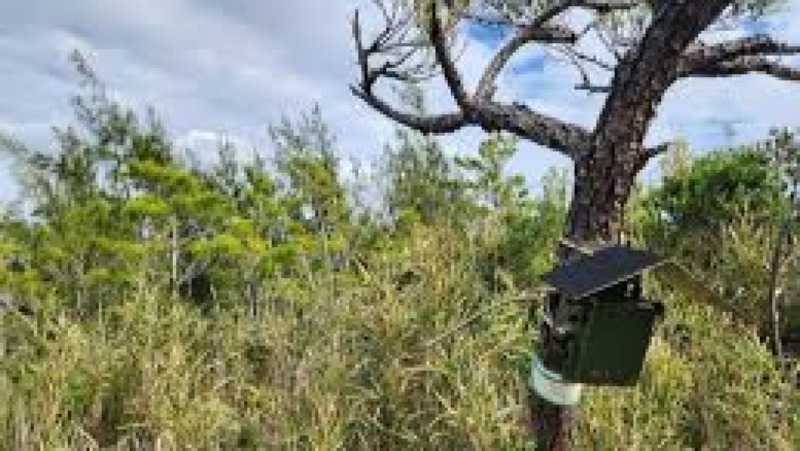
Course Overview
Passive Acoustic Monitoring for Wildlife Research Training Course
Introduction
Passive Acoustic Monitoring (PAM) for Wildlife Research training course is designed to equip researchers, conservationists, and ecological data analysts with essential knowledge and practical skills to monitor biodiversity using sound-based technologies. As wildlife populations continue to decline globally due to habitat loss, climate change, and human activities, PAM emerges as a trending, non-invasive, and cost-effective solution. This course integrates trending research techniques, innovative acoustic sensors, and artificial intelligence-driven analysis to provide participants with the tools to enhance ecological monitoring and support sustainable conservation initiatives.
By combining ecological acoustics, big data, machine learning, and environmental analytics, this program prepares learners to design, implement, and evaluate monitoring projects. With global biodiversity hotspots under increased pressure, mastering acoustic monitoring techniques positions professionals at the forefront of wildlife research and conservation. The training emphasizes practical implementation, case studies, and real-world applications, ensuring participants gain the expertise needed to address conservation challenges with cutting-edge methodologies.
Course Objectives
- Understand the fundamentals of passive acoustic monitoring technologies
- Explore the applications of PAM in biodiversity conservation and wildlife research
- Develop skills in acoustic data collection and field deployment of recording devices
- Apply artificial intelligence and machine learning tools in acoustic data analysis
- Evaluate species-specific acoustic signatures and behavioral patterns
- Design and implement effective PAM research frameworks
- Integrate PAM with Geographic Information Systems (GIS) for habitat mapping
- Enhance conservation decision-making through acoustic analytics
- Manage large datasets using trending ecological data management platforms
- Assess the impact of climate change on wildlife acoustic behavior
- Interpret acoustic data for population density and species distribution studies
- Gain expertise in publishing research findings in indexed scientific journals
- Promote sustainable wildlife monitoring practices using advanced eco-technology
Organizational Benefits
- Strengthens organizational capacity in ecological monitoring
- Provides staff with hands-on expertise in advanced wildlife research techniques
- Enhances decision-making with data-driven conservation strategies
- Improves organizational reputation through innovative research outputs
- Reduces operational costs by using non-invasive monitoring methods
- Builds global competitiveness in biodiversity conservation projects
- Increases funding opportunities through evidence-based ecological insights
- Encourages interdisciplinary collaboration within research teams
- Expands opportunities for publishing and knowledge dissemination
- Aligns organizational goals with global sustainability and conservation trends
Target Audiences
- Wildlife researchers and conservation biologists
- Environmental data analysts and acoustic engineers
- Ecological monitoring project managers
- University lecturers and academic researchers in ecology
- Government wildlife and conservation officers
- Non-governmental organizations focused on biodiversity protection
- Graduate and postgraduate students in ecology and environmental science
- Professionals in climate change and environmental policy sectors
Course Duration: 10 days
Course Modules
Module 1: Introduction to Passive Acoustic Monitoring
- History and development of acoustic monitoring in ecology
- Key terminologies and acoustic concepts
- Importance of sound in ecological research
- Limitations and advantages of PAM
- Case study: Acoustic monitoring of forest biodiversity in Costa Rica
- Summary and reflections
Module 2: Acoustic Ecology and Wildlife Communication
- Basics of animal sound production and reception
- Types of wildlife vocalizations and behaviors
- Species identification through acoustic signatures
- Acoustic niche partitioning in ecosystems
- Case study: Songbird acoustic diversity in temperate forests
- Summary and reflections
Module 3: Acoustic Hardware and Field Deployment
- Types of passive acoustic recorders
- Best practices in device placement and calibration
- Battery life, storage, and maintenance challenges
- Field deployment strategies for different habitats
- Case study: Deployment of autonomous recorders in marine reserves
- Summary and reflections
Module 4: Data Collection and Management
- Setting recording parameters and sampling strategies
- Data organization and storage protocols
- Metadata recording for acoustic projects
- Addressing large dataset challenges
- Case study: Long-term acoustic dataset management in tropical ecosystems
- Summary and reflections
Module 5: Acoustic Data Analysis Tools
- Introduction to software for sound analysis
- Spectrogram reading and interpretation
- Identifying species from acoustic patterns
- Signal-to-noise ratio challenges
- Case study: Identifying bat calls using Kaleidoscope Pro
- Summary and reflections
Module 6: Machine Learning in Acoustic Monitoring
- Introduction to AI and ML applications in ecology
- Training models for species classification
- Automated detection systems
- Accuracy and bias in machine learning datasets
- Case study: Deep learning for frog call recognition in wetlands
- Summary and reflections
Module 7: Integrating PAM with GIS and Remote Sensing
- Basics of GIS and spatial mapping
- Linking acoustic data to geographic patterns
- Applications in habitat and landscape ecology
- Emerging technologies in spatial acoustic analysis
- Case study: Mapping elephant movement patterns with acoustic data
- Summary and reflections
Module 8: Acoustic Monitoring of Terrestrial Wildlife
- Techniques for forest-dwelling species
- Challenges in noisy terrestrial habitats
- Seasonal variations in acoustic activity
- Multi-species acoustic monitoring approaches
- Case study: Monitoring primate calls in African rainforests
- Summary and reflections
Module 9: Acoustic Monitoring of Marine Wildlife
- Ocean acoustics and marine mammal communication
- Tools for underwater acoustic monitoring
- Noise pollution impacts on marine ecosystems
- Deep-sea acoustic research innovations
- Case study: Tracking whale populations using hydrophones
- Summary and reflections
Module 10: Climate Change and Wildlife Acoustics
- Effects of global warming on species sound patterns
- Acoustic shifts in breeding and migration cycles
- Monitoring climate-sensitive indicator species
- Long-term acoustic data for climate studies
- Case study: Bird call phenology under climate stress
- Summary and reflections
Module 11: Data Interpretation and Statistical Analysis
- Statistical approaches in ecological acoustics
- Quantitative analysis of call rates and densities
- Population trend estimation
- Validating acoustic results with field observations
- Case study: Estimating frog populations using call surveys
- Summary and reflections
Module 12: Ethical and Legal Considerations in Acoustic Monitoring
- Ethical principles in wildlife research
- Legal requirements for acoustic recording
- Data privacy and intellectual property rights
- Community engagement and stakeholder collaboration
- Case study: Ethical challenges in acoustic monitoring of endangered species
- Summary and reflections
Module 13: Publishing and Communication of Research Findings
- Writing for peer-reviewed journals
- Preparing acoustic datasets for publication
- Communicating results to policymakers and stakeholders
- Presenting at conferences and symposia
- Case study: Publication success stories in bioacoustics research
- Summary and reflections
Module 14: Project Design and Implementation in PAM
- Steps in planning acoustic monitoring projects
- Budgeting and resource allocation
- Timeline management and evaluation metrics
- Risk management strategies
- Case study: Successful PAM project in tropical forest corridors
- Summary and reflections
Module 15: Future Trends in Acoustic Monitoring and Conservation
- Emerging trends in bioacoustics and AI integration
- Innovative recording devices and sensors
- Citizen science and crowdsourced acoustic data
- Global collaborations for biodiversity monitoring
- Case study: Global acoustic biodiversity observatory initiatives
- Summary and reflections
Training Methodology
- Instructor-led interactive lectures
- Practical demonstrations with acoustic devices
- Hands-on data analysis using trending software
- Group discussions and problem-solving activities
- Case study reviews for applied learning
- Field-based practice sessions with real datasets
Register as a group from 3 participants for a Discount
Send us an email: info@datastatresearch.org or call +254724527104
Certification
Upon successful completion of this training, participants will be issued with a globally- recognized certificate.
Tailor-Made Course
We also offer tailor-made courses based on your needs.
Key Notes
a. The participant must be conversant with English.
b. Upon completion of training the participant will be issued with an Authorized Training Certificate
c. Course duration is flexible and the contents can be modified to fit any number of days.
d. The course fee includes facilitation training materials, 2 coffee breaks, buffet lunch and A Certificate upon successful completion of Training.
e. One-year post-training support Consultation and Coaching provided after the course.
f. Payment should be done at least a week before commence of the training, to DATASTAT CONSULTANCY LTD account, as indicated in the invoice so as to enable us prepare better for you.