Managing the Training and Development Function Course
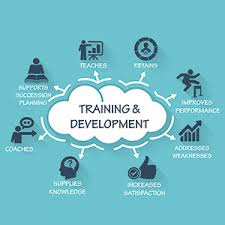
Managing the Training and Development Function Course is designed to equip HR professionals, managers, and L&D leaders with the critical strategies, tools, and frameworks required to plan, implement, and evaluate impactful training programs.
Course Overview
Managing the Training and Development Function Course
Introduction
In today’s competitive business landscape, effective training and development management is essential for organizational success. Companies must cultivate talent, bridge skill gaps, and nurture a performance-driven workforce. Managing the Training and Development Function Course is designed to equip HR professionals, managers, and L&D leaders with the critical strategies, tools, and frameworks required to plan, implement, and evaluate impactful training programs. With a focus on corporate learning, employee engagement, and performance improvement, this course blends strategic thinking with practical execution.
From training needs analysis to ROI measurement, this course provides a deep dive into all functional areas of L&D management. Learners will gain mastery in aligning training with organizational goals, utilizing e-learning tools, managing training budgets, and fostering a culture of continuous learning. By the end, participants will be empowered to lead transformational learning initiatives, drive business growth, and boost employee retention through targeted development strategies.
Course Objectives
- Identify core responsibilities in managing training and development functions.
- Conduct effective training needs analysis across departments.
- Align L&D strategies with organizational objectives.
- Develop engaging and interactive e-learning content.
- Manage training budgets and optimize ROI.
- Build a learning culture that promotes career growth.
- Evaluate training effectiveness using Kirkpatrick’s model.
- Utilize learning management systems (LMS) for delivery and tracking.
- Design blended learning solutions for diverse workforces.
- Train and develop internal trainers and facilitators.
- Implement talent development frameworks.
- Use data-driven methods to measure learning outcomes.
- Promote employee upskilling and reskilling.
Target Audience
- HR Managers and Directors
- L&D Professionals
- Corporate Trainers
- Training Coordinators
- Organizational Development Specialists
- Talent Acquisition Managers
- Business Leaders and Executives
- Human Capital Consultants
Course Duration:
10 days
Course Modules:
Module 1: Introduction to Training and Development
- Definition and scope of T&D
- Importance in modern organizations
- Evolution of corporate training
- Key roles and responsibilities
- Connection to business strategy
Module 2: Strategic Alignment of Training
- Linking training to organizational goals
- Creating a strategic training plan
- Identifying success indicators
- Prioritizing training initiatives
- Cross-functional collaboration
Module 3: Training Needs Assessment
- Purpose of needs analysis
- Methods: surveys, interviews, performance data
- Identifying skill gaps
- Stakeholder involvement
- Prioritizing training needs
Module 4: Designing Effective Training Programs
- Learning objectives and outcomes
- Adult learning principles
- Instructional design models (ADDIE, SAM)
- Customizing content for learners
- Building curriculum maps
Module 5: E-Learning and Technology Integration
- Benefits of digital learning
- Tools and platforms (LMS, AR/VR)
- SCORM compliance
- Gamification and interactivity
- Mobile learning trends
Module 6: Facilitator and Trainer Development
- Identifying internal trainers
- Train-the-trainer programs
- Public speaking and delivery skills
- Managing group dynamics
- Continuous trainer evaluation
Module 7: Blended Learning Models
- Definition and structure
- Combining in-person and digital formats
- Synchronous vs. asynchronous learning
- Designing hybrid experiences
- Case studies of successful models
Module 8: Measuring Training Effectiveness
- Evaluation frameworks (Kirkpatrick, Phillips)
- Collecting feedback and data
- Post-training assessments
- Behavioral change tracking
- Linking results to performance
Module 9: Training ROI and Budgeting
- Calculating training costs
- Financial metrics in L&D
- Justifying training spend
- Building a business case
- Cost-benefit analysis tools
Module 10: Building a Learning Culture
- Characteristics of a learning organization
- Leadership involvement
- Continuous improvement mindset
- Recognition and reward systems
- Learning communities and mentorship
Module 11: Upskilling and Reskilling Strategies
- Identifying future skill needs
- Designing transition pathways
- Integrating into performance reviews
- Leveraging microlearning
- Supporting career mobility
Module 12: Leadership Development Programs
- Role of leadership in training
- Succession planning
- Coaching and mentoring
- High-potential identification
- Executive education offerings
Module 13: Diversity and Inclusion in Training
- Culturally sensitive training design
- Addressing bias in content
- Inclusive delivery methods
- Promoting equitable access
- Global training considerations
Module 14: Compliance and Regulatory Training
- Legal and industry standards
- Risk management through training
- Ethics and code of conduct modules
- Tracking completion and documentation
- Audit readiness
Module 15: Future Trends in Learning & Development
- AI in training delivery
- Predictive analytics in L&D
- Personalized learning paths
- Virtual reality simulations
- Future-proofing the workforce
Training Methodology:
· Lectures and Presentations – Introduce core concepts of training management, learning theories, and development strategies.
· Case Study Analysis – Examine successful and failed corporate training programs to identify best practices and common pitfalls.
· Group Discussions – Encourage sharing of experiences and strategies for effective training program implementation.
· Simulations and Role Plays – Practice designing and presenting training sessions, handling trainee feedback, and managing training logistics.
· Workshops – Develop skills in needs assessment, curriculum design, budgeting, and evaluating training effectiveness.
· Guest Lectures – Gain insights from HR leaders and training professionals on managing enterprise learning functions.
· Capstone Project – Create a comprehensive training and development plan tailored to a real or hypothetical organization.
· Assessments and Feedback – Test understanding through quizzes, peer reviews, and facilitator feedback to support continuous improvement.
Register as a group from 3 participants for a Discount
Send us an email: info@datastatresearch.org or call +254724527104
Certification
Upon successful completion of this training, participants will be issued with a globally- recognized certificate.
Tailor-Made Course
We also offer tailor-made courses based on your needs.
Key Notes
a. The participant must be conversant with English.
b. Upon completion of training the participant will be issued with an Authorized Training Certificate
c. Course duration is flexible and the contents can be modified to fit any number of days.
d. The course fee includes facilitation training materials, 2 coffee breaks, buffet lunch and A Certificate upon successful completion of Training.
e. One-year post-training support Consultation and Coaching provided after the course.
f. Payment should be done at least a week before commence of the training, to DATASTAT CONSULTANCY LTD account, as indicated in the invoice so as to enable us prepare better for you.