Learning Loops and Feedback Systems in M&E Training Course
Learning Loops and Feedback Systems in M&E Training Course provides M&E professionals with advanced strategies to design, implement, and optimize feedback mechanisms that drive evidence-based decision-making, promote organizational learning, and enhance program effectiveness.
Course Overview
Learning Loops and Feedback Systems in M&E Training Course
Introduction
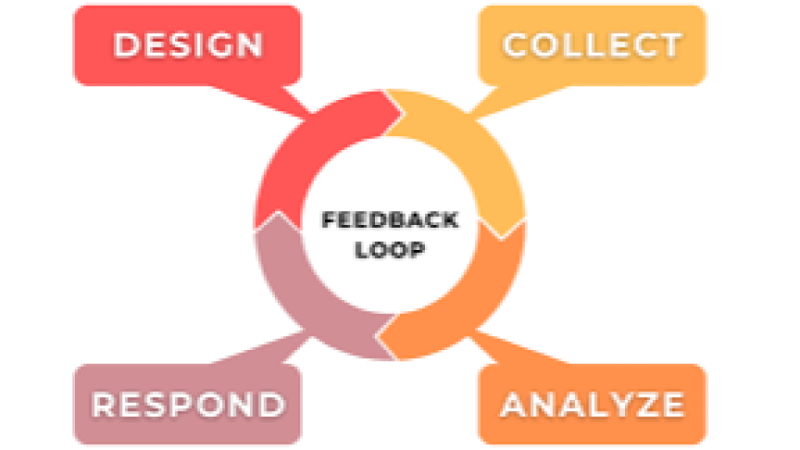
In the dynamic field of Monitoring and Evaluation (M&E), Learning Loops and Feedback Systems are critical for ensuring that programs adapt, evolve, and achieve maximum impact. Learning Loops and Feedback Systems in M&E Training Course provides M&E professionals with advanced strategies to design, implement, and optimize feedback mechanisms that drive evidence-based decision-making, promote organizational learning, and enhance program effectiveness. Participants will gain hands-on experience with continuous learning cycles, real-time feedback integration, adaptive management, and data-driven program improvement, ensuring that learning becomes a core function rather than a one-off activity.
This training emphasizes the integration of innovative feedback tools, digital learning platforms, and participatory evaluation methods to strengthen program monitoring and accountability. Through practical case studies, interactive exercises, and real-world examples, participants will learn how to identify learning gaps, generate actionable insights, and institutionalize knowledge loops for sustainable program impact. By the end of this course, attendees will be equipped to transform traditional M&E approaches into responsive, agile, and learning-oriented systems.
Course Duration
10 days
Course Objectives
By the end of this course, participants will be able to:
- Understand the principles of learning loops in M&E systems.
- Design effective feedback mechanisms for program improvement.
- Apply real-time data analysis for adaptive program management.
- Integrate digital tools and platforms for continuous learning.
- Foster organizational learning culture within M&E teams.
- Identify and close knowledge gaps in program cycles.
- Implement participatory feedback methods with stakeholders.
- Use evidence-based decision-making frameworks for actionable insights.
- Develop learning dashboards for transparent program tracking.
- Align feedback loops with donor reporting requirements.
- Evaluate impact and effectiveness of learning interventions.
- Promote accountability and transparency through systematic feedback.
- Apply adaptive management strategies to enhance program resilience.
Target Audience
- M&E Officers and Managers
- Program Managers and Coordinators
- Data Analysts and Research Specialists
- Policy and Strategy Advisors
- Donor and Funding Agency Representatives
- Non-Governmental Organization (NGO) Staff
- Government Monitoring and Evaluation Professionals
- Consultants in Program Evaluation and Organizational Learning
Course Modules
Module 1: Introduction to Learning Loops in M&E
- Definition and concepts of learning loops
- Types of learning loops in program management
- The role of learning in adaptive M&E
- Case study: Adaptive learning in health programs
- Interactive discussion on learning loop applications
Module 2: Feedback Systems Fundamentals
- Principles of feedback systems in M&E
- Designing feedback channels for stakeholders
- Real-time vs. periodic feedback systems
- Case study: Community feedback in education programs
- Mapping feedback channels
Module 3: Participatory Learning Approaches
- Engaging stakeholders in learning cycles
- Co-creation of feedback mechanisms
- Benefits of participatory evaluation
- Case study: Participatory monitoring in water and sanitation
- Stakeholder feedback collection
Module 4: Adaptive Management and Decision-Making
- Introduction to adaptive management
- Linking learning loops to decision-making
- Tools for adaptive program planning
- Case study: NGO response to humanitarian crises
- Making decisions based on feedback
Module 5: Data Collection and Feedback Integration
- Designing data collection tools for learning
- Methods for real-time feedback capture
- Ensuring data quality and reliability
- Case study: Mobile feedback tools in health monitoring
- Designing a feedback survey
Module 6: Digital Tools for Learning Loops
- Overview of software and digital platforms
- Integrating dashboards for continuous monitoring
- Using analytics for actionable insights
- Case study: Learning dashboards in agriculture programs
- Setting up a feedback dashboard
Module 7: Knowledge Management for M&E
- Capturing, storing, and sharing knowledge
- Linking knowledge to learning loops
- Promoting organizational learning culture
- Case study: Knowledge repositories in international NGOs
- Creating a knowledge management plan
Module 8: Feedback Analysis Techniques
- Quantitative and qualitative analysis methods
- Prioritizing feedback for program improvements
- Visualization and reporting techniques
- Case study: Data-driven insights in social programs
- Analyzing feedback data
Module 9: Learning Loops in Program Design
- Integrating learning from the start
- Adaptive program cycle planning
- Monitoring progress through learning loops
- Case study: Iterative program design in youth empowerment
- Redesign a program based on feedback
Module 10: Institutionalizing Feedback Mechanisms
- Embedding learning loops in organizational processes
- Policies and protocols for continuous learning
- Scaling learning systems across projects
- Case study: Institutionalizing feedback in health systems
- Developing institutional guidelines
Module 11: Performance Monitoring and Feedback Loops
- Linking performance indicators to learning
- Using feedback for performance improvement
- Reporting and accountability
- Case study: Education program performance monitoring
- Mapping indicators to feedback systems
Module 12: Real-Time Monitoring Systems
- Tools for live program tracking
- Using alerts and notifications for action
- Real-time reporting strategies
- Case study: Emergency response monitoring
- Setting up a live monitoring system
Module 13: Learning Loops and Program Impact
- Measuring impact through learning cycles
- Translating learning into program adjustments
- Case study: Feedback-driven health interventions
- Linking learning loops to outcomes
- Lessons learned
Module 14: Challenges and Best Practices
- Common obstacles in feedback systems
- Strategies for overcoming challenges
- Global best practices in learning loops
- Case study: Successful learning loops in Africa
- Solutions for local context
Module 15: Course Wrap-Up and Action Planning
- Synthesizing key concepts
- Developing personal and organizational action plans
- Peer review and feedback session
- Case study: Integrating learning loops in multi-sector programs
- Draft an implementation plan
Training Methodology
This course employs a participatory and hands-on approach to ensure practical learning, including:
- Interactive lectures and presentations.
- Group discussions and brainstorming sessions.
- Hands-on exercises using real-world datasets.
- Role-playing and scenario-based simulations.
- Analysis of case studies to bridge theory and practice.
- Peer-to-peer learning and networking.
- Expert-led Q&A sessions.
- Continuous feedback and personalized guidance.
Register as a group from 3 participants for a Discount
Send us an email: info@datastatresearch.org or call +254724527104
Certification
Upon successful completion of this training, participants will be issued with a globally- recognized certificate.
Tailor-Made Course
We also offer tailor-made courses based on your needs.
Key Notes
a. The participant must be conversant with English.
b. Upon completion of training the participant will be issued with an Authorized Training Certificate
c. Course duration is flexible and the contents can be modified to fit any number of days.
d. The course fee includes facilitation training materials, 2 coffee breaks, buffet lunch and A Certificate upon successful completion of Training.
e. One-year post-training support Consultation and Coaching provided after the course.
f. Payment should be done at least a week before commence of the training, to DATASTAT CONSULTANCY LTD account, as indicated in the invoice so as to enable us prepare better for you.