Introduction to Foodomics (Genomics, Proteomics) Training Course
Introduction to Foodomics (Genomics, Proteomics) Training Course participants with an in-depth knowledge of how Foodomics transforms food safety, food quality, nutritional value, and personalized nutrition strategies.
Course Overview
Introduction to Foodomics (Genomics, Proteomics) Training Course
Introduction
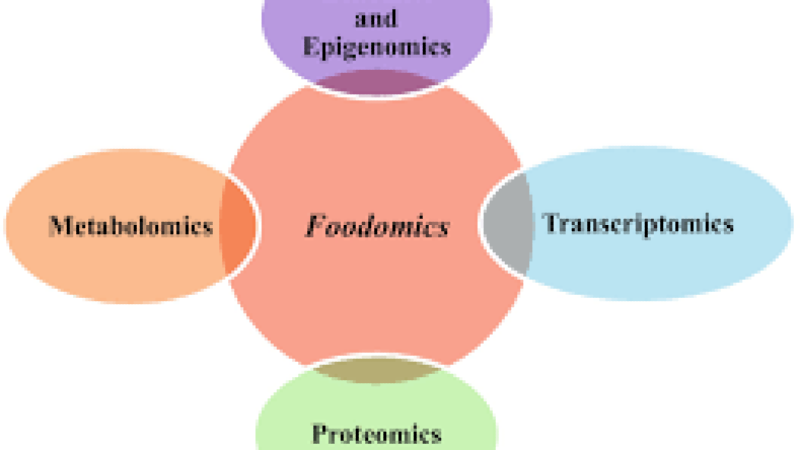
Foodomics has emerged as a groundbreaking field that integrates genomics, proteomics, metabolomics, and transcriptomics with advanced bioinformatics to revolutionize the understanding of food science and nutrition. Introduction to Foodomics (Genomics, Proteomics) Training Course participants with an in-depth knowledge of how Foodomics transforms food safety, food quality, nutritional value, and personalized nutrition strategies. By exploring the molecular composition of foods, participants will learn how omics technologies can be applied to identify biomarkers, improve food traceability, and optimize health outcomes.
This course is designed to provide professionals, researchers, and students with the expertise to apply genomics and proteomics in real-world food analysis scenarios. With a strong focus on laboratory case studies, participants will explore applications in functional food design, allergen detection, precision nutrition, and sustainable food production. By mastering Foodomics techniques, participants will gain the competitive advantage required in modern food research, food safety regulations, and biotechnology-driven food industries.
Course Objectives
- Understand the foundations of Foodomics, Genomics, and Proteomics.
- Explore cutting-edge bioinformatics tools used in food analysis.
- Analyze food safety and quality through omics technologies.
- Learn molecular-level approaches to nutrition and health.
- Apply proteomics to detect allergens and contaminants.
- Investigate personalized nutrition through Foodomics.
- Evaluate the role of genomics in sustainable food systems.
- Gain hands-on skills in Foodomics data interpretation.
- Examine biomarker discovery for food authenticity.
- Integrate multi-omics strategies for food innovation.
- Assess regulatory frameworks in Foodomics applications.
- Enhance problem-solving with case study approaches.
- Strengthen research and development capacity in food industries.
Organizational Benefits
- Improved food safety monitoring strategies.
- Enhanced product development and innovation.
- Integration of advanced omics for competitive advantage.
- Increased organizational capacity for food quality control.
- Effective allergen and contaminant detection systems.
- Better compliance with global food regulations.
- Optimized research and development initiatives.
- Increased trust and transparency in food supply chains.
- Improved ability to deliver personalized nutrition solutions.
- Strengthened organizational reputation in the food sector.
Target Audiences
- Food scientists and technologists
- Nutritionists and dietitians
- Food safety regulators
- Biotechnology professionals
- University researchers and students
- Agricultural and food production managers
- Healthcare professionals focusing on nutrition
- Food quality assurance specialists
Course Duration: 10 days
Course Modules
Module 1: Introduction to Foodomics
- Definition and scope of Foodomics
- Historical evolution of omics in food science
- Key applications in modern nutrition
- Importance in personalized food research
- Emerging trends in Foodomics
- Case study: Foodomics in improving nutritional labeling
Module 2: Basics of Genomics in Food Science
- DNA sequencing technologies
- Genomic profiling in food crops
- Food authenticity through genomics
- Genetic modification and food quality
- Regulatory aspects of food genomics
- Case study: Genomics in allergen-free food design
Module 3: Proteomics Applications in Food
- Introduction to proteomic analysis
- Mass spectrometry techniques
- Proteins as biomarkers of food safety
- Functional foods and protein profiling
- Challenges in proteomic applications
- Case study: Proteomics in dairy allergen detection
Module 4: Metabolomics and Food Composition
- Role of metabolomics in food science
- Analytical techniques in metabolomics
- Nutrient profiling and functional compounds
- Applications in food authenticity testing
- Importance in dietary interventions
- Case study: Metabolomics in organic vs conventional foods
Module 5: Transcriptomics in Foodomics
- Understanding transcriptomics in food systems
- Gene expression analysis techniques
- Food quality and transcriptomic profiling
- Linking transcriptomics to disease prevention
- Tools for transcriptomic data analysis
- Case study: Transcriptomic profiling in functional foods
Module 6: Bioinformatics in Foodomics
- Introduction to bioinformatics tools
- Data management in multi-omics
- Sequence analysis and interpretation
- Big data challenges in Foodomics
- Visualization of omics datasets
- Case study: Bioinformatics pipeline for allergen detection
Module 7: Food Safety Applications
- Omics-based detection of foodborne pathogens
- Allergen identification and management
- Monitoring contaminants through omics
- Enhancing traceability with molecular markers
- Food safety regulations and omics integration
- Case study: Genomic detection of Salmonella in food supply
Module 8: Personalized Nutrition and Health
- Omics in personalized diet planning
- Nutrigenomics and nutrigenetics approaches
- Food-protein interactions with human health
- Role of Foodomics in chronic disease prevention
- Consumer applications of personalized nutrition
- Case study: Personalized nutrition for cardiovascular health
Module 9: Biomarker Discovery in Food Science
- Role of biomarkers in food analysis
- Genomic biomarkers for authenticity
- Proteomic biomarkers for allergens
- Metabolomic biomarkers for food safety
- Integrative approaches in biomarker discovery
- Case study: Biomarker validation for olive oil authentication
Module 10: Functional Foods and Foodomics
- Omics approaches in functional food design
- Bioactive compounds and health benefits
- Consumer demand for functional foods
- Challenges in functional food development
- Regulation of functional food claims
- Case study: Functional food development with probiotic strains
Module 11: Foodomics and Sustainable Food Systems
- Genomics in crop improvement
- Proteomics in reducing food waste
- Omics in climate-smart agriculture
- Role in sustainable nutrition
- Foodomics in global food security
- Case study: Genomic approaches for drought-resistant crops
Module 12: Advanced Laboratory Techniques
- Next-generation sequencing methods
- Mass spectrometry applications
- Chromatography in Foodomics
- Omics-based analytical platforms
- Quality control in Foodomics labs
- Case study: Proteomics workflow in food allergen labs
Module 13: Multi-Omics Integration
- Combining genomics, proteomics, metabolomics
- Systems biology in food science
- Data harmonization approaches
- Benefits of integrative Foodomics
- Challenges in multi-omics research
- Case study: Multi-omics integration in functional foods
Module 14: Regulatory and Ethical Issues
- Foodomics and international regulations
- Ethical considerations in food biotechnology
- Labeling and consumer transparency
- Intellectual property in Foodomics research
- Global perspectives on omics adoption
- Case study: Regulatory approval for omics-based functional food
Module 15: Future of Foodomics
- Trends in Foodomics innovation
- Artificial intelligence in omics research
- Foodomics and personalized healthcare
- Omics-driven digital food systems
- Industry-academia collaborations
- Case study: AI-powered Foodomics in nutrition startups
Training Methodology
- Interactive lectures with expert trainers
- Hands-on laboratory sessions
- Real-world case study analysis
- Group discussions and peer learning
- Practical demonstrations of omics technologies
- Use of bioinformatics tools and databases
Register as a group from 3 participants for a Discount
Send us an email: info@datastatresearch.org or call +254724527104
Certification
Upon successful completion of this training, participants will be issued with a globally- recognized certificate.
Tailor-Made Course
We also offer tailor-made courses based on your needs.
Key Notes
a. The participant must be conversant with English.
b. Upon completion of training the participant will be issued with an Authorized Training Certificate
c. Course duration is flexible and the contents can be modified to fit any number of days.
d. The course fee includes facilitation training materials, 2 coffee breaks, buffet lunch and A Certificate upon successful completion of Training.
e. One-year post-training support Consultation and Coaching provided after the course.
f. Payment should be done at least a week before commence of the training, to DATASTAT CONSULTANCY LTD account, as indicated in the invoice so as to enable us prepare better for you.