Introduction to Food Emulsions and Foam Technology Training Course
Introduction to Food Emulsions and Foam Technology Training Course is designed to provide participants with comprehensive insights into the principles, mechanisms, and applications of emulsions and foams in the food industry.
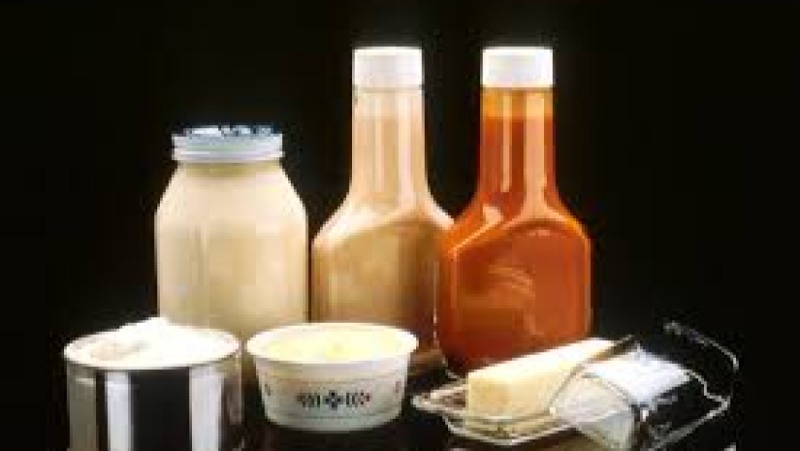
Course Overview
Introduction to Food Emulsions and Foam Technology Training Course
Introduction
Introduction to Food Emulsions and Foam Technology Training Course is designed to provide participants with comprehensive insights into the principles, mechanisms, and applications of emulsions and foams in the food industry. Emulsions and foams are essential in food science, influencing the texture, stability, appearance, and overall quality of a wide range of food products. This course integrates scientific knowledge with practical industry applications, equipping learners with skills to analyze, develop, and optimize emulsified and aerated food systems. Strong emphasis will be placed on food processing trends, innovative ingredient technologies, and sustainability in food formulation.
Participants will gain hands-on knowledge on stabilizers, surfactants, proteins, lipids, and emerging technologies that enhance food stability and consumer appeal. By addressing both theoretical foundations and practical case studies, the course ensures learners can apply advanced techniques to product development and problem-solving in real-world settings. With SEO-friendly topics such as food formulation, emulsion stability, foam applications, nanoemulsions, and protein-based stabilization, the training positions professionals for success in research, quality control, and product innovation across the global food sector.
Course Objectives
- Understand the fundamental science of food emulsions and foams.
- Explore the role of surfactants, proteins, and lipids in stabilizing emulsions and foams.
- Identify current challenges in food texture and product formulation.
- Learn about nanoemulsions and microfoam technology applications.
- Gain skills in measuring stability and rheological properties.
- Evaluate ingredient interactions and their impact on stability.
- Apply foam and emulsion technology to bakery, dairy, and beverage industries.
- Investigate sustainable and plant-based emulsion systems.
- Implement quality control measures for emulsion-based products.
- Study the latest innovations in functional ingredients for foams and emulsions.
- Enhance knowledge of processing equipment for emulsions and foams.
- Develop product prototypes using emulsion and foam technology.
- Address global trends in health, nutrition, and consumer-driven product design.
Organizational Benefits
- Improve in-house knowledge of advanced food processing systems.
- Strengthen product development strategies for competitive markets.
- Enhance efficiency in quality assurance processes.
- Reduce formulation failures through scientific troubleshooting.
- Drive innovation with sustainable and plant-based ingredients.
- Increase customer satisfaction through improved product texture and stability.
- Gain insights into global food trends and consumer demands.
- Support regulatory compliance with tested formulation approaches.
- Build capacity for technical leadership in food technology.
- Develop long-term research and development expertise.
Target Audiences
- Food scientists and technologists
- Research and development professionals
- Quality assurance and control specialists
- Product formulation experts
- Academic researchers and postgraduate students
- Bakery and dairy product developers
- Beverage technologists
- Nutrition and health-focused product innovators
Course Duration: 10 days
Course Modules
Module 1: Fundamentals of Food Emulsions
- Definition and types of emulsions
- Mechanisms of emulsion formation
- Thermodynamics of emulsions
- Common emulsifiers and stabilizers
- Application in dairy and dressings
- Case study: Stability of mayonnaise formulations
Module 2: Principles of Foam Formation
- Definition and classification of foams
- Mechanisms of foam formation
- Role of proteins in foam stability
- Applications in bakery and beverages
- Environmental influences on foam properties
- Case study: Whipped cream stabilization
Module 3: Role of Proteins in Food Systems
- Protein structure and functionality
- Proteins as natural surfactants
- Protein-lipid interactions
- Heat-induced protein effects
- Applications in dairy and plant-based foods
- Case study: Protein foaming in egg-based desserts
Module 4: Lipids and Emulsion Stability
- Types of lipids in food systems
- Lipid crystallization and emulsions
- Influence on mouthfeel and texture
- Lipid-protein interactions
- Applications in spreads and margarine
- Case study: Fat crystallization control in margarine
Module 5: Surfactants and Emulsifiers
- Types of food-grade surfactants
- Hydrophilic-lipophilic balance (HLB)
- Synthetic vs natural emulsifiers
- Effects on texture and stability
- Innovations in clean-label emulsifiers
- Case study: Lecithin applications in chocolate
Module 6: Rheology of Emulsions and Foams
- Basic rheological principles
- Measuring viscosity and elasticity
- Shear thinning and thickening behavior
- Impact on sensory perception
- Rheological control strategies
- Case study: Foam stability in coffee beverages
Module 7: Nanoemulsions and Microfoams
- Definitions and differences
- Production techniques
- Applications in functional foods
- Benefits of improved bioavailability
- Industry applications in nutraceuticals
- Case study: Nanoemulsion in vitamin-enriched beverages
Module 8: Ingredient Interactions in Complex Food Systems
- Protein-polysaccharide interactions
- Role of hydrocolloids in stabilization
- Multicomponent system behavior
- Impact of salts and pH
- Functional ingredient blends
- Case study: Yogurt drink formulations
Module 9: Processing Equipment and Techniques
- Homogenization principles
- Mixing and agitation methods
- Ultrasonication and high-pressure systems
- Industrial-scale challenges
- Advances in food processing technology
- Case study: High-pressure homogenization in dairy products
Module 10: Quality Control in Food Emulsions and Foams
- Parameters for evaluation
- Sensory and instrumental testing
- Stability testing protocols
- Shelf-life determination
- Troubleshooting common failures
- Case study: Shelf-life analysis of aerated desserts
Module 11: Application in Bakery Products
- Emulsions in dough systems
- Role of foams in cakes and bread
- Texture improvement methods
- Emulsifiers in crumb softness
- Innovations in bakery aeration
- Case study: Emulsion role in sponge cake volume
Module 12: Application in Dairy Systems
- Emulsions in milk-based beverages
- Foams in dairy desserts
- Influence of processing on dairy texture
- Role of proteins and fats in dairy stability
- Innovations in dairy aeration
- Case study: Foam stability in cappuccino milk
Module 13: Application in Beverages
- Emulsions in cloudy beverages
- Protein-stabilized foams in drinks
- Stabilizers in fruit juices
- Sensory aspects of foams in beverages
- Innovations in energy and sports drinks
- Case study: Cloud stability in orange juice
Module 14: Sustainability and Plant-Based Systems
- Plant-based emulsifiers and foams
- Challenges in vegan product design
- Clean-label strategies
- Reducing environmental footprint
- Opportunities for innovation
- Case study: Plant protein-stabilized vegan mayonnaise
Module 15: Global Trends and Future Directions
- Consumer preferences in food systems
- Emerging technologies in emulsion design
- Innovations in protein ingredients
- Functional foods and nutraceuticals
- Trends in sensory optimization
- Case study: Market success of fortified foam-based drinks
Training Methodology
- Interactive lectures with multimedia presentations
- Hands-on demonstrations of emulsion and foam systems
- Group discussions on industry-specific challenges
- Practical exercises and product development activities
- Case study analysis with real-world examples
- Assessments through quizzes and project presentations
Register as a group from 3 participants for a Discount
Send us an email: info@datastatresearch.org or call +254724527104
Certification
Upon successful completion of this training, participants will be issued with a globally- recognized certificate.
Tailor-Made Course
We also offer tailor-made courses based on your needs.
Key Notes
a. The participant must be conversant with English.
b. Upon completion of training the participant will be issued with an Authorized Training Certificate
c. Course duration is flexible and the contents can be modified to fit any number of days.
d. The course fee includes facilitation training materials, 2 coffee breaks, buffet lunch and A Certificate upon successful completion of Training.
e. One-year post-training support Consultation and Coaching provided after the course.
f. Payment should be done at least a week before commence of the training, to DATASTAT CONSULTANCY LTD account, as indicated in the invoice so as to enable us prepare better for you.