Intersection Crash Reduction Techniques Training Course
Intersection Crash Reduction Techniques Training Course is designed to equip transportation engineers, planners, and safety professionals with the knowledge and tools to significantly reduce intersection-related crashes.
Skills Covered
Course Overview
Intersection Crash Reduction Techniques Training Course
Introduction
Intersection Crash Reduction Techniques Training Course is designed to equip transportation engineers, planners, and safety professionals with the knowledge and tools to significantly reduce intersection-related crashes. Intersections are critical points in transportation systems, where the highest number of accidents occur. This comprehensive course focuses on effective strategies, best practices, and advanced technologies that enhance safety at intersections, helping communities prevent crashes and save lives. By utilizing data-driven solutions, this program enables professionals to assess, design, and implement safety interventions that improve intersection performance.
Through expert-led training and practical case studies, participants will gain hands-on experience in applying crash reduction techniques and innovative intersection designs. This course integrates current trends in traffic safety engineering, smart city technologies, and data analytics to provide a holistic understanding of intersection safety. Upon completion, attendees will be equipped to address real-world challenges at intersections and contribute to developing safer road networks through innovative and proven methodologies.
Course Duration
5 days
Course Objectives
- Understand intersection crash patterns and their impact on traffic safety.
- Analyze intersection safety performance using advanced data analysis and crash data metrics.
- Apply crash modification factors (CMFs) for intersections to improve safety.
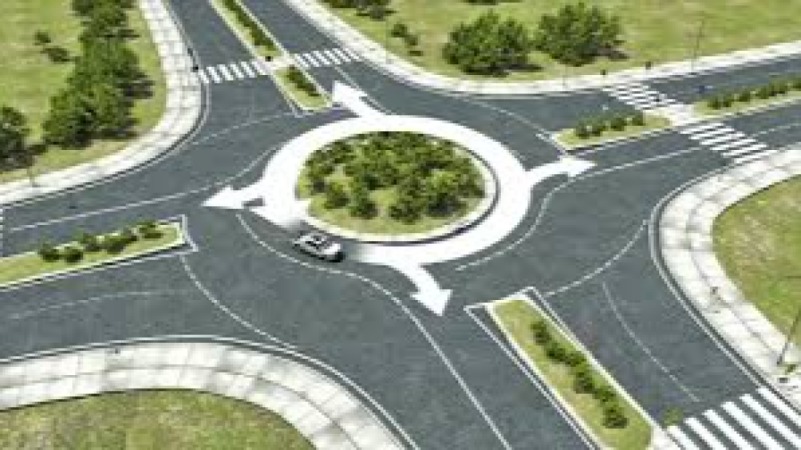
- Implement innovative intersection designs like roundabouts and grade-separated interchanges.
- Utilize traffic signal optimization techniques to enhance intersection safety and flow.
- Evaluate intersection sight distance issues and solutions to reduce crashes.
- Leverage advanced traffic management systems (ATMS) for intersection safety.
- Adopt cutting-edge technologies like autonomous vehicle integration to improve intersection safety.
- Implement pedestrian and cyclist safety measures at intersections.
- Understand the role of road geometry in reducing intersection-related crashes.
- Develop and implement data-driven safety audits for intersections.
- Apply principles of environmental design to minimize intersection risk factors.
- Design for multi-modal traffic at intersections to ensure safer shared spaces for vehicles, pedestrians, and cyclists.
Target Audience
- Traffic Engineers and Safety Professionals
- Transportation Planners and Consultants
- City and Regional Planners
- Public Safety Officials and Law Enforcement Agencies
- Autonomous Vehicle Technology Developers
- Urban Mobility Specialists
- Government Agencies
- Academics and Researchers in Transportation Safety
Course Modules
Module 1: Introduction to Intersection Safety
- Overview of intersection crash statistics and trends
- Key safety challenges at intersections
- Introduction to crash modification factors (CMFs)
- Case study: Intersection crash analysis in urban vs. rural areas
- Best practices for identifying high-risk intersections
Module 2: Advanced Traffic Control and Signalization
- Types of intersection traffic control devices
- Signal timing optimization techniques
- Case study: Signal improvements reducing crashes at busy intersections
- Implementing adaptive signal control technologies (ASCT)
- Understanding the role of smart signals in crash reduction
Module 3: Intersection Design Strategies
- Roundabouts and their impact on safety
- Evaluating the effectiveness of grade-separated interchanges
- Case study: Transition from signalized intersection to roundabout
- Design considerations for pedestrian safety
- Use of unconventional intersection designs for high-risk areas
Module 4: Pedestrian and Bicycle Safety at Intersections
- Designing for pedestrian and cyclist safety
- Identifying and mitigating pedestrian conflict points
- Case study: Successful implementation of pedestrian-activated signals
- Bicycle lane integration at intersections
- Engineering solutions for vulnerable road users
Module 5: Data-Driven Approaches to Intersection Safety
- Introduction to intersection safety data analytics
- Using crash data to prioritize interventions
- Case study: Data-driven crash reduction in a high-traffic intersection
- Tools for measuring intersection performance (e.g., VISSIM simulations)
- Leveraging big data for predictive safety analysis
Module 6: Innovative Technologies in Intersection Safety
- Role of connected vehicle technology in safety
- Integrating autonomous vehicle technology at intersections
- Case study: How smart infrastructure reduces crashes
- Traffic management with real-time data
- Leveraging Internet of Things (IoT) for safer intersections
Module 7: Safety Audits and Evaluation Techniques
- Conducting safety audits and intersection assessments
- Identifying high-risk elements through evaluation tools
- Case study: Road safety audit on intersection redesign
- Post-implementation evaluation strategies
- Safety performance indicators (SPIs) and their applications
Module 8: Multi-Modal Traffic and Intersection Safety
- Designing for mixed traffic
- Case study: Creating safer multi-modal intersections
- Addressing challenges of congestion and traffic flow
- Impact of traffic calming measures at intersections
- Policy considerations for multi-modal intersection planning
Training Methodology
This course employs a participatory and hands-on approach to ensure practical learning, including:
- Interactive lectures and presentations.
- Group discussions and brainstorming sessions.
- Hands-on exercises using real-world datasets.
- Role-playing and scenario-based simulations.
- Analysis of case studies to bridge theory and practice.
- Peer-to-peer learning and networking.
- Expert-led Q&A sessions.
- Continuous feedback and personalized guidance.
Register as a group from 3 participants for a Discount
Send us an email: info@datastatresearch.org or call +254724527104
Certification
Upon successful completion of this training, participants will be issued with a globally- recognized certificate.
Tailor-Made Course
We also offer tailor-made courses based on your needs.
Key Notes
a. The participant must be conversant with English.
b. Upon completion of training the participant will be issued with an Authorized Training Certificate
c. Course duration is flexible and the contents can be modified to fit any number of days.
d. The course fee includes facilitation training materials, 2 coffee breaks, buffet lunch and A Certificate upon successful completion of Training.
e. One-year post-training support Consultation and Coaching provided after the course.
f. Payment should be done at least a week before commence of the training, to DATASTAT CONSULTANCY LTD account, as indicated in the invoice so as to enable us prepare better for you.