History of Global Refugee Regimes Training Course
History of Global Refugee Regimes Training Course is designed to provide a comprehensive understanding of how international refugee systems evolved over time, highlighting key milestones, treaties, conventions, and humanitarian responses.
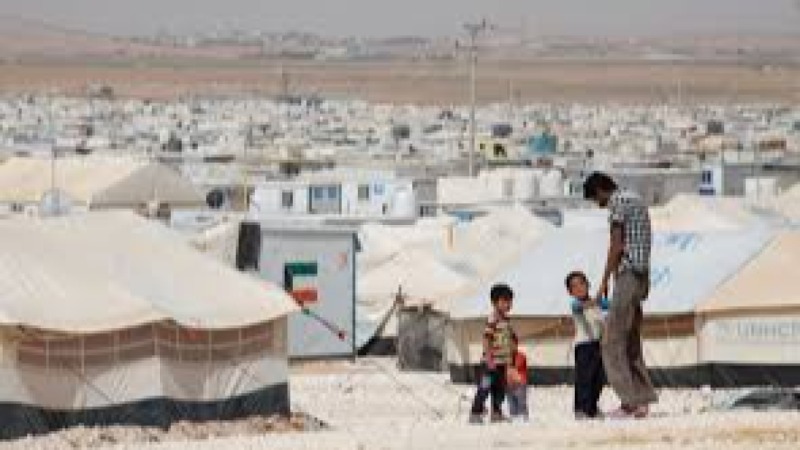
Course Overview
History of Global Refugee Regimes Training Course
Introduction
History of Global Refugee Regimes Training Course is designed to provide a comprehensive understanding of how international refugee systems evolved over time, highlighting key milestones, treaties, conventions, and humanitarian responses. This program explores the origins of refugee protection frameworks, the impact of international law, and the pivotal role of institutions such as the UNHCR, IOM, and global humanitarian agencies. By analyzing both historical and modern refugee movements, learners will gain critical insights into the challenges of forced migration, asylum policies, displacement crises, and global humanitarian governance.
With an emphasis on human rights, international law, sustainable development, humanitarian aid, migration policies, and global security, this course equips participants with the knowledge and skills to critically analyze past refugee regimes while connecting them to contemporary issues. Learners will understand how evolving refugee frameworks shape todayΓÇÖs migration strategies and humanitarian practices, ensuring practical relevance for policymakers, researchers, and humanitarian practitioners.
Course Objectives
- Understand the evolution of refugee regimes from the early 20th century to present.
- Analyze international refugee law and conventions including the 1951 Refugee Convention and 1967 Protocol.
- Examine the role of the League of Nations and UNHCR in refugee protection.
- Explore historical case studies of displacement in Europe, Africa, Asia, and the Middle East.
- Evaluate the political, social, and economic drivers of forced migration.
- Understand the link between human rights and refugee protection frameworks.
- Study the influence of post-war displacement crises on modern refugee law.
- Identify regional refugee policies in Africa, Europe, Asia, and the Americas.
- Assess the role of humanitarian aid organizations in refugee response.
- Discuss global security challenges tied to migration and displacement.
- Review refugee integration policies and long-term settlement frameworks.
- Critically assess emerging refugee crises and climate-induced displacement.
- Build practical strategies for policy development, advocacy, and humanitarian leadership.
Organizational Benefits
- Improved policy analysis skills in refugee and migration issues.
- Enhanced humanitarian response strategies.
- Stronger alignment with international refugee frameworks.
- Better understanding of regional refugee regimes.
- Increased ability to manage cross-border displacement crises.
- Strengthened advocacy and lobbying capacity.
- Development of culturally sensitive humanitarian interventions.
- Competitive advantage in global humanitarian networks.
- Knowledge of risk management in refugee operations.
- Contribution to sustainable global migration policies.
Target Audience
- Policymakers and Government Officials
- Humanitarian Aid Workers
- Refugee Law Practitioners
- NGO and INGO Program Managers
- Researchers and Academics in Migration Studies
- Security and Border Control Officials
- International Development Professionals
- Graduate Students in Global Affairs and Law
Course Duration: 5 days
Course Modules
Module 1: Origins of Global Refugee Regimes
- Early refugee crises in the 20th century
- The League of Nations and refugee protection
- Emergence of international refugee institutions
- The role of humanitarian aid in early displacement
- Legal foundations before the 1951 Refugee Convention
- Case Study: Armenian Refugees and the Nansen Passport
Module 2: Post-War Displacement and the 1951 Refugee Convention
- World War II refugee crises
- Creation of the UNHCR
- Key principles of the 1951 Refugee Convention
- Refugee status determination
- Limitations and exclusions in international law
- Case Study: European Refugees After World War II
Module 3: The 1967 Protocol and Expanding Refugee Protection
- Need for broader refugee definitions
- Refugee protection outside Europe
- Impact of the Cold War on refugee regimes
- Role of international organizations in Africa and Asia
- Non-refoulement principle in practice
- Case Study: Refugees During the Vietnam War
Module 4: Regional Refugee Frameworks
- African Union Refugee Convention
- Inter-American refugee protections
- EU asylum policy and migration law
- Asian approaches to refugee management
- Regional challenges and gaps in protection
- Case Study: Rwandan Refugees in the 1994 Genocide
Module 5: Humanitarian Aid and Refugee Rights
- Role of UNHCR, IOM, and NGOs
- Refugee camp management
- Humanitarian standards and rights protection
- Gender and child-focused refugee policies
- Global refugee funding mechanisms
- Case Study: Syrian Refugee Crisis in Jordan and Lebanon
Module 6: Refugee Integration and Resettlement Policies
- Durable solutions: repatriation, resettlement, integration
- National vs. international resettlement programs
- Economic and cultural challenges of integration
- Host community relations and conflict prevention
- Role of diaspora and transnational networks
- Case Study: Somali Refugees in the United States
Module 7: Contemporary Refugee Challenges
- Climate change and displacement
- Statelessness and human rights issues
- Refugee crises in fragile states
- Technology in refugee assistance
- Refugees and global security concerns
- Case Study: Rohingya Refugees in Bangladesh
Module 8: Future of Global Refugee Regimes
- Reforming refugee law and institutions
- Global Compact on Refugees
- Refugee inclusion in the Sustainable Development Goals (SDGs)
- Emerging global governance mechanisms
- Policy innovations and humanitarian leadership
- Case Study: Afghan Refugees After the U.S. Withdrawal
Training Methodology
- Interactive lectures with expert facilitators
- Case study analysis of historical and contemporary crises
- Group discussions and knowledge-sharing activities
- Practical exercises on refugee law and policy drafting
- Multimedia resources and documentary screenings
- Simulation exercises on humanitarian decision-making
Register as a group from 3 participants for a Discount
Send us an email: info@datastatresearch.org or call +254724527104
Certification
Upon successful completion of this training, participants will be issued with a globally- recognized certificate.
Tailor-Made Course
We also offer tailor-made courses based on your needs.
Key Notes
a. The participant must be conversant with English.
b. Upon completion of training the participant will be issued with an Authorized Training Certificate
c. Course duration is flexible and the contents can be modified to fit any number of days.
d. The course fee includes facilitation training materials, 2 coffee breaks, buffet lunch and A Certificate upon successful completion of Training.
e. One-year post-training support Consultation and Coaching provided after the course.
f. Payment should be done at least a week before commence of the training, to DATASTAT CONSULTANCY LTD account, as indicated in the invoice so as to enable us prepare better for you.