E-DNA Sampling for Aquatic Species Training Course
-DNA Sampling for Aquatic Species Training Course equips participants with practical skills and theoretical knowledge to implement E-DNA sampling effectively.
Course Overview
E-DNA Sampling for Aquatic Species Training Course
Introduction
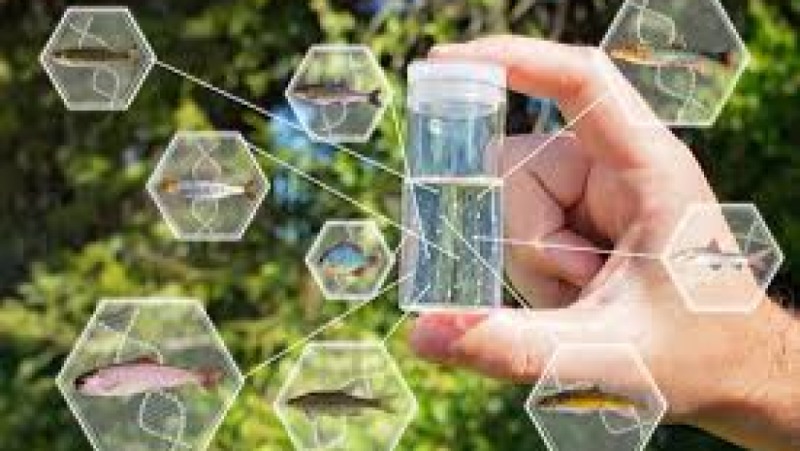
Environmental DNA (E-DNA) sampling has revolutionized aquatic biodiversity monitoring, offering a precise, non-invasive approach to detecting species presence in freshwater and marine ecosystems. By analyzing trace genetic material shed by organisms into their environment, researchers and conservationists can rapidly assess species distribution, monitor invasive species, and evaluate ecosystem health. The integration of E-DNA techniques in aquatic studies supports sustainable management, conservation planning, and informed decision-making for environmental stakeholders.
E-DNA Sampling for Aquatic Species Training Course equips participants with practical skills and theoretical knowledge to implement E-DNA sampling effectively. Through hands-on training, case studies, and analytical approaches, learners will gain expertise in sampling protocols, DNA extraction, laboratory processing, data interpretation, and reporting. Emphasizing real-world applications, this program prepares professionals to contribute to ecological research, regulatory compliance, and habitat conservation initiatives, enhancing the accuracy and efficiency of aquatic species monitoring.
Course Objectives
- Understand the principles and applications of E-DNA in aquatic ecosystems.
- Identify target species for E-DNA sampling using modern ecological assessment tools.
- Implement standardized field sampling protocols for freshwater and marine habitats.
- Conduct DNA extraction, purification, and quantification for accurate analysis.
- Apply molecular techniques including qPCR and metabarcoding for species detection.
- Interpret E-DNA results using bioinformatics and statistical software.
- Develop data management strategies to ensure accuracy and reproducibility.
- Detect invasive and endangered species to support conservation efforts.
- Integrate E-DNA findings into environmental impact assessments and regulatory frameworks.
- Utilize GIS and mapping tools to visualize species distribution patterns.
- Troubleshoot common issues in sampling and laboratory analysis.
- Implement quality control and contamination prevention protocols in E-DNA workflows.
- Communicate findings effectively to scientific, regulatory, and public audiences.
Organizational Benefits
- Enhanced biodiversity monitoring capabilities.
- Early detection of invasive aquatic species.
- Improved decision-making for habitat restoration projects.
- Reduced fieldwork costs and time through efficient sampling techniques.
- Strengthened compliance with environmental regulations.
- Increased research accuracy and data reliability.
- Capacity building for staff in molecular ecology techniques.
- Enhanced reputation in environmental stewardship.
- Support for conservation initiatives and policy-making.
- Integration of cutting-edge technology into ecological monitoring programs.
Target Audiences
- Environmental scientists and ecologists
- Aquatic biologists and fisheries managers
- Conservation officers and policy-makers
- Environmental NGOs and research institutions
- Laboratory technicians and molecular biologists
- Regulatory agency staff and compliance officers
- Graduate and postgraduate students in ecology and environmental sciences
- Water resource managers and habitat restoration specialists
Course Duration: 5 days
Course Modules
Module 1: Introduction to E-DNA and Aquatic Monitoring
- Overview of E-DNA technology and its history
- Principles of genetic material shedding and detection
- Applications in freshwater and marine environments
- Comparison with traditional monitoring techniques
- Case study: Successful E-DNA monitoring of invasive carp
- Practical exercise: Sample site selection and preliminary planning
Module 2: Target Species Identification
- Criteria for selecting target species
- Ecological and conservation priorities
- Use of reference databases for species identification
- Molecular marker selection strategies
- Ethical considerations in species monitoring
- Case study: Identifying endangered amphibians using E-DNA
Module 3: Field Sampling Techniques
- Water collection and filtration methods
- Minimizing contamination in fieldwork
- Sample preservation and storage techniques
- Safety protocols for fieldwork in aquatic environments
- Documentation and labeling for traceability
- Case study: Field survey for invasive mussel detection
Module 4: DNA Extraction and Purification
- Selection of extraction kits and protocols
- Handling environmental samples with low DNA concentrations
- Contamination prevention strategies in the lab
- Quality assessment of extracted DNA
- Troubleshooting low-yield samples
- Case study: DNA extraction from sediment samples
Module 5: Molecular Detection Methods
- qPCR techniques for species-specific detection
- Metabarcoding for community-level analysis
- Primer and probe design considerations
- PCR optimization and validation
- Minimizing false positives and negatives
- Case study: Metabarcoding to detect multiple fish species
Module 6: Data Analysis and Interpretation
- Bioinformatics pipelines for E-DNA data
- Statistical analysis of species occurrence
- Data visualization using charts and GIS tools
- Integration of results into monitoring reports
- Quality control in data interpretation
- Case study: Mapping species distributions using E-DNA data
Module 7: Reporting and Communication
- Scientific report preparation for E-DNA results
- Communicating findings to stakeholders
- Regulatory compliance and documentation
- Data sharing and open-access repositories
- Effective presentation strategies for public engagement
- Case study: Policy recommendation based on E-DNA findings
Module 8: Quality Assurance and Troubleshooting
- Standard operating procedures for E-DNA workflows
- Contamination prevention in lab and field
- Troubleshooting common sampling and analysis errors
- Maintaining reproducibility and reliability
- Continuous improvement strategies
- Case study: Resolving inconsistencies in field-lab results
Training Methodology
- Interactive lectures and demonstrations
- Hands-on field sampling exercises
- Laboratory practicals on DNA extraction and qPCR
- Group discussions and problem-solving sessions
- Case study analysis and real-world applications
- Data interpretation exercises using bioinformatics tools
Register as a group from 3 participants for a Discount
Send us an email: info@datastatresearch.org or call +254724527104
Certification
Upon successful completion of this training, participants will be issued with a globally- recognized certificate.
Tailor-Made Course
We also offer tailor-made courses based on your needs.
Key Notes
a. The participant must be conversant with English.
b. Upon completion of training the participant will be issued with an Authorized Training Certificate
c. Course duration is flexible and the contents can be modified to fit any number of days.
d. The course fee includes facilitation training materials, 2 coffee breaks, buffet lunch and A Certificate upon successful completion of Training.
e. One-year post-training support Consultation and Coaching provided after the course.
f. Payment should be done at least a week before commence of the training, to DATASTAT CONSULTANCY LTD account, as indicated in the invoice so as to enable us prepare better for you.