Digital Forensics Fundamentals Training Course
Digital Forensics Fundamentals Training Course is designed to equip learners with core competencies, tools, and methodologies required to identify, acquire, analyze, and present digital evidence effectively.
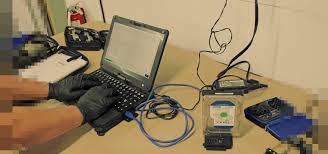
Course Overview
Digital Forensics Fundamentals Training Course
Introduction
In today’s digitally interconnected world, Digital Forensics is a critical domain in combating cybercrime, ensuring cybersecurity, and maintaining organizational integrity. Digital Forensics Fundamentals Training Course is designed to equip learners with core competencies, tools, and methodologies required to identify, acquire, analyze, and present digital evidence effectively. Whether dealing with data breaches, insider threats, or fraud investigations, mastering the basics of digital forensics is a game-changer for IT professionals and security teams.
This course emphasizes real-world applications using trending digital forensics tools, hands-on labs, and case-based learning. Participants will gain insights into file system structures, memory analysis, mobile forensics, and chain of custody essentials. By the end, attendees will be able to confidently conduct forensic investigations and contribute to cyber threat intelligence and compliance efforts.
Course Objectives
- Understand the core principles of digital forensics.
- Explore cybercrime investigation processes using forensic tools.
- Learn techniques for digital evidence acquisition and preservation.
- Perform disk imaging and file system analysis using industry-standard software.
- Examine Windows and Linux forensic artifacts.
- Apply memory forensics and volatile data analysis.
- Conduct mobile device forensics and app data recovery.
- Maintain chain of custody and legal admissibility of digital evidence.
- Create professional forensic investigation reports.
- Leverage cloud forensics techniques in hybrid environments.
- Analyze real-world digital crime cases using forensic frameworks.
- Apply incident response integration with forensic findings.
- Enhance cybersecurity posture using forensic intelligence.
Target Audiences:
- IT Security Professionals
- Law Enforcement Officers
- Cybersecurity Analysts
- Compliance Officers
- Digital Investigators
- Network Administrators
- Government and Defense Personnel
- Information Security Students
Course Duration: 5 days
Course Modules
Module 1: Introduction to Digital Forensics
- Definition and Scope of Digital Forensics
- Types of Cybercrimes and Role of Forensics
- Digital Evidence Life Cycle
- Overview of Forensic Tools
- Legal and Ethical Considerations
- Case Study: An Introduction to a Basic Cybercrime Investigation
Module 2: Evidence Acquisition and Preservation
- Data Acquisition Techniques
- Forensic Imaging Tools (FTK Imager, dd, etc.)
- Write Blockers and Hashing
- Preserving Volatile and Non-Volatile Data
- Ensuring Integrity with Chain of Custody
- Case Study: Evidence Handling in an Internal Fraud Case
Module 3: File System Forensics
- FAT, NTFS, and EXT File System Structures
- Metadata and Timestamps
- File Recovery Techniques
- Hidden and Deleted Files Recovery
- Analyzing Slack and Unallocated Space
- Case Study: Recovering Deleted Data in an IP Theft Case
Module 4: Windows and Linux Artifact Analysis
- Registry Analysis and Log Review
- Shellbag, Prefetch, and MRU Artifacts
- Event Log Analysis
- Linux Log Files and Rootkit Detection
- Artifact Timeline Creation
- Case Study: Insider Threat Detection Using Windows Artifacts
Module 5: Memory Forensics
- Volatile Memory Acquisition Tools (Volatility, Rekall)
- RAM Analysis for Malware Detection
- Process Dumping and Hidden Process Discovery
- Network Connections and Open Handles
- Memory Timeline and Correlation
- Case Study: Ransomware Analysis Through Memory Dump
Module 6: Mobile Device Forensics
- Mobile OS Architecture (Android/iOS)
- Mobile Acquisition Methods (Logical, Physical)
- SMS, App, and Call Log Recovery
- Cloud Backup and App Forensics
- Bypassing Device Encryption
- Case Study: Analyzing a Smartphone in a Fraud Investigation
Module 7: Cloud and Network Forensics
- Introduction to Cloud Environments (AWS, Azure, GCP)
- Collecting Logs and Metadata from Cloud Services
- Network Packet Analysis (Wireshark, tcpdump)
- DNS, Proxy, and Email Header Forensics
- Cloud Chain of Custody and Legal Concerns
- Case Study: Cloud Email Account Breach Analysis
Module 8: Reporting, Legal Compliance, and Case Presentation
- Forensic Report Writing Best Practices
- Standards (ISO/IEC 27037) and Documentation
- Courtroom Presentation of Evidence
- Expert Witness Preparation
- Legal Frameworks (GDPR, HIPAA, CFAA)
- Case Study: Preparing Evidence for a Legal Hearing
Training Methodology
- Interactive Lectures with real-world examples and expert insights
- Hands-on Labs using open-source and commercial forensic tools
- Case-Based Learning to simulate real-world investigations
- Group Exercises and team collaboration tasks
- Knowledge Checks and Quizzes after each module
- Capstone Project for complete end-to-end digital forensics application
Register as a group from 3 participants for a Discount
Send us an email: info@datastatresearch.org or call +254724527104
Certification
Upon successful completion of this training, participants will be issued with a globally- recognized certificate.
Tailor-Made Course
We also offer tailor-made courses based on your needs.
Key Notes
a. The participant must be conversant with English.
b. Upon completion of training the participant will be issued with an Authorized Training Certificate
c. Course duration is flexible and the contents can be modified to fit any number of days.
d. The course fee includes facilitation training materials, 2 coffee breaks, buffet lunch and A Certificate upon successful completion of Training.
e. One-year post-training support Consultation and Coaching provided after the course.
f. Payment should be done at least a week before commence of the training, to DATASTAT CONSULTANCY LTD account, as indicated in the invoice so as to enable us prepare better for you.