Climate Change and Human Rights Training Course
Climate Change and Human Rights Training Course is designed for professionals and advocates seeking to integrate human rights principles into their climate work.
Skills Covered
Course Overview
Climate Change and Human Rights Training Course
Introduction
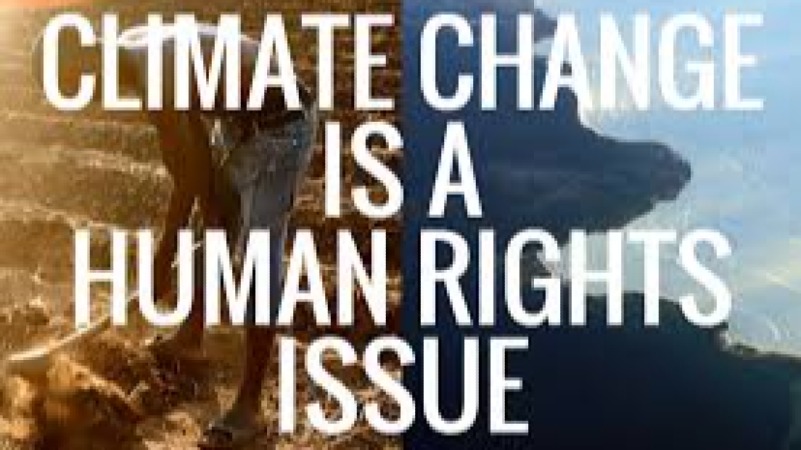
The global climate crisis is no longer a distant environmental issue but a fundamental threat to human rights. From extreme weather events and resource scarcity to forced displacement and loss of livelihoods, its impacts are disproportionately felt by the most vulnerable populations, including indigenous peoples, women, children, and marginalized communities. This training course delves into the critical and evolving nexus between climate change and human rights, providing a comprehensive framework for understanding the legal, ethical, and practical dimensions of this challenge. Participants will gain crucial insights into the human rights obligations of states and non-state actors in the context of climate action, fostering a rights-based approach to both mitigation and adaptation strategies.
Climate Change and Human Rights Training Course is designed for professionals and advocates seeking to integrate human rights principles into their climate work. We will explore cutting-edge topics such as climate litigation, corporate accountability, and the role of international human rights mechanisms. Through a dynamic mix of expert-led sessions, interactive case studies, and practical exercises, you will develop the skills and knowledge to champion climate justice and build resilience in a rapidly changing world. The course emphasizes a holistic perspective, linking international law with on-the-ground realities and equipping you to become a leader in the global movement for a just and sustainable future.
Course Duration
10 days
Course Objectives
Upon completion of this course, participants will be able to:
- Analyze the nexus between climate change impacts and the full spectrum of human rights obligations.
- Identify the legal and ethical responsibilities of states, corporations, and international organizations in addressing climate change.
- Evaluate the disproportionate impacts of climate change on vulnerable populations and advocate for a gender-responsive and inclusive approach.
- Apply a human rights-based approach to the design, implementation, and monitoring of climate mitigation and adaptation policies.
- Critique the role of international human rights mechanisms and climate agreements in promoting climate justice.
- Navigate the complex landscape of climate change litigation and its use as a tool for accountability.
- Assess the linkages between climate action, sustainable development goals (SDGs), and the right to a healthy environment.
- Understand the principles of climate justice and intergenerational equity and their practical application.
- Develop advocacy strategies for promoting the rights of climate migrants and displaced persons.
- Analyze the role of indigenous knowledge and traditional practices in rights-based climate resilience.
- Formulate policy recommendations that integrate environmental protection with the principles of social equity and non-discrimination.
- Master the fundamentals of corporate responsibility for human rights and environmental due diligence in the climate context.
- Build a professional network of peers and experts committed to advancing rights-based climate action.
Organizational Benefits
- Demonstrates a commitment to ethical, rights-based practices, attracting top talent and building trust with stakeholders.
- Equips teams to identify and mitigate legal, reputational, and operational risks associated with climate-related human rights violations.
- Fosters a holistic, integrated approach to climate and sustainability policies, ensuring they are more effective, equitable, and compliant with international standards.
- Positions the organization as a leader in rights-based climate action, opening doors to new collaborations and funding opportunities from donors focused on social and environmental justice.
Target Audience
- Government officials and policymakers.
- Legal professionals and human rights advocates.
- NGO and civil society leaders.
- Corporate sustainability and social responsibility managers.
- Development and aid workers.
- Academics and researchers.
- Journalists and communication specialists.
- Students and young activists.
Course Outline
Module 1: Foundational Concepts: Climate Science and Human Rights
- The scientific basis of climate change, its causes, and projected impacts.
- Introduction to international human rights law and key treaties (ICCPR, ICESCR).
- Connecting the dots.
- Exploring the principle of state responsibility for human rights harms caused by climate inaction.
- Case Study: The Urgenda Foundation vs. State of the Netherlands, a landmark climate litigation case.
Module 2: The Human Rights-Based Approach to Climate Action
- Defining a rights-based approach.
- Integrating human rights into national climate policies and Nationally Determined Contributions (NDCs).
- Conducting Human Rights Impact Assessments (HRIA) for climate projects and policies.
- Ensuring meaningful and effective public participation in climate decision-making.
- Case Study: The role of human rights in the development of a countryΓÇÖs National Adaptation Plan (NAP).
Module 3: Climate Justice and Intergenerational Equity
- Unpacking the concept of climate justice.
- The principle of Common but Differentiated Responsibilities (CBDR) in a human rights context.
- The rights of future generations and the moral and legal imperative to protect them.
- Exploring the equity implications of carbon markets and climate finance mechanisms.
- Case Study: The Youth for Climate Justice lawsuit and its focus on intergenerational equity.
Module 4: Vulnerable Populations and Disproportionate Impacts
- Analyzing the specific vulnerabilities of indigenous peoples to climate change.
- Understanding the gendered impacts of climate change and promoting gender-responsive climate action.
- The rights of climate migrants and internally displaced persons.
- Protecting the rights of children, persons with disabilities, and older persons in climate policies.
- Case Study: The impacts of sea-level rise on small island states and the human rights of their inhabitants.
Module 5: Climate Litigation: A Tool for Accountability
- Overview of the rise of climate litigation globally: trends and key precedents.
- Litigation strategies: Using human rights law, public trust doctrine, and tort law.
- Examining the role of domestic courts in holding states and corporations accountable.
- Procedural hurdles and challenges in human rights-based climate litigation.
- Case Study: The Juliana v. United States youth climate lawsuit.
Module 6: Corporate Responsibility and Due Diligence
- The UN Guiding Principles on Business and Human Rights (UNGPs) and their relevance to climate change.
- Analyzing the corporate responsibility to respect human rights in the context of emissions and environmental harm.
- Implementing human rights due diligence in supply chains and high-risk sectors.
- Examining investor activism and shareholder resolutions on climate and human rights.
- Case Study: Holding fossil fuel companies accountable for their climate-related human rights impacts.
Module 7: International Legal Frameworks and Mechanisms
- The Paris Agreement and its human rights references in the preamble and operational text.
- The role of the UN Human Rights Council and its Special Rapporteurs on human rights and the environment.
- Engaging with UN human rights treaty bodies on climate change-related issues.
- Exploring the work of the International Court of Justice (ICJ) and its advisory opinion on climate change.
- Case Study: The UN Human Rights CommitteeΓÇÖs decision in Teitiota v. New Zealand on climate refugees.
Module 8: The Right to a Healthy Environment
- The global recognition of the right to a clean, healthy, and sustainable environment.
- Analyzing the legal implications of this right for state and corporate action.
- Linking the right to a healthy environment with other fundamental human rights.
- Advocacy strategies for the constitutional recognition and enforcement of this right.
- Case Study: The legal and policy implications of a countryΓÇÖs constitutional recognition of the right to a healthy environment.
Module 9: Indigenous Peoples' Rights and Climate Resilience
- The UN Declaration on the Rights of Indigenous Peoples (UNDRIP) and its application to climate action.
- The right to Free, Prior, and Informed Consent (FPIC) in climate projects affecting indigenous lands.
- Recognizing and supporting indigenous knowledge systems for climate adaptation and mitigation.
- Legal and policy challenges in protecting indigenous lands and cultural heritage from climate impacts.
- Case Study: The role of indigenous communities in protecting forests and their land rights as a climate solution.
Module 10: Human Rights and the Just Transition
- Defining a "Just Transition" and its components: social dialogue, decent work, and social protection.
- Analyzing the human rights implications of shifting from fossil fuels to renewable energy.
- Ensuring workers' rights and community well-being in the transition to a low-carbon economy.
- Developing rights-based policies to address the social and economic costs of decarbonization.
- Case Study: A coal-dependent community's transition to renewable energy and the human rights challenges involved.
Module 11: Climate Change, Conflict, and Security
- The linkages between climate change, resource scarcity, and internal/international conflicts.
- Analyzing the human rights implications of climate-related security risks.
- The role of human rights in peacebuilding and conflict resolution in climate-vulnerable regions.
- Exploring the concept of ΓÇ£climate refugeesΓÇ¥ and the need for international protection.
- Case Study: The human rights dimensions of conflict in the Lake Chad Basin.
Module 12: Finance, Technology, and Human Rights
- Ensuring that climate finance is aligned with human rights standards.
- The human rights implications of climate technologies, including geoengineering and carbon capture.
- Addressing intellectual property rights and ensuring access to climate-friendly technologies in developing countries.
- The role of Green Bonds and ESG investing in promoting rights-based climate action.
- Case Study: The human rights risks associated with a large-scale renewable energy project.
Module 13: Advocacy and Communication Strategies
- Crafting compelling narratives to connect climate change and human rights for diverse audiences.
- Building effective coalitions and partnerships for rights-based climate advocacy.
- Using media, social media, and digital platforms to amplify human rights climate stories.
- Lobbying and engaging with national and international policymakers.
- Case Study: A successful advocacy campaign that led to the adoption of a human rights-based climate policy.
Module 14: Regional and National Frameworks
- The role of regional human rights courts (e.g., European Court of Human Rights, Inter-American Court of Human Rights).
- Analyzing national constitutional provisions and legal precedents on climate and environment.
- The use of public interest litigation and strategic litigation at the national level.
- How national human rights institutions can promote rights-based climate action.
- Case Study: A national court decision that found a government's climate policy to be a violation of human rights.
Module 15: The Road Ahead: Future-Proofing Climate Action
- Emerging trends in climate change and human rights law and policy.
- The role of non-state actors, including cities, sub-national governments, and civil society.
- Anticipating future challenges and opportunities for a just and equitable climate future.
- Developing a personal action plan for integrating human rights into your professional work.
- Case Study: Exploring the future of climate litigation against private financial institutions.
Training Methodology
This course will employ a highly interactive and practical training methodology, including:
- Expert-led lectures and guest speakers from leading international organizations, law firms, and civil society groups.
- Interactive group discussions and problem-solving sessions to foster peer-to-peer learning.
- Real-world case studies and simulations of climate litigation and policy negotiations.
- Role-playing exercises to develop advocacy and communication skills.
- Practical assignments such as drafting policy briefs, preparing legal memos, and conducting a Human Rights Impact Assessment (HRIA) on a climate project.
- Multimedia resources including videos, documentaries, and access to a curated online library of legal and policy documents.
Register as a group from 3 participants for a Discount
Send us an email: info@datastatresearch.org or call +254724527104
Certification
Upon successful completion of this training, participants will be issued with a globally- recognized certificate.
Tailor-Made Course
We also offer tailor-made courses based on your needs.
Key Notes
a. The participant must be conversant with English.
b. Upon completion of training the participant will be issued with an Authorized Training Certificate
c. Course duration is flexible and the contents can be modified to fit any number of days.
d. The course fee includes facilitation training materials, 2 coffee breaks, buffet lunch and A Certificate upon successful completion of Training.
e. One-year post-training support Consultation and Coaching provided after the course.
f. Payment should be done at least a week before commence of the training, to DATASTAT CONSULTANCY LTD account, as indicated in the invoice so as to enable us prepare better for you.