Building a Personal project management Learning Path Training Course
Building a Personal Project Management Learning Path Training Course is designed to equip professionals with practical project management skills, techniques, and tools to effectively manage projects across industries.
Skills Covered
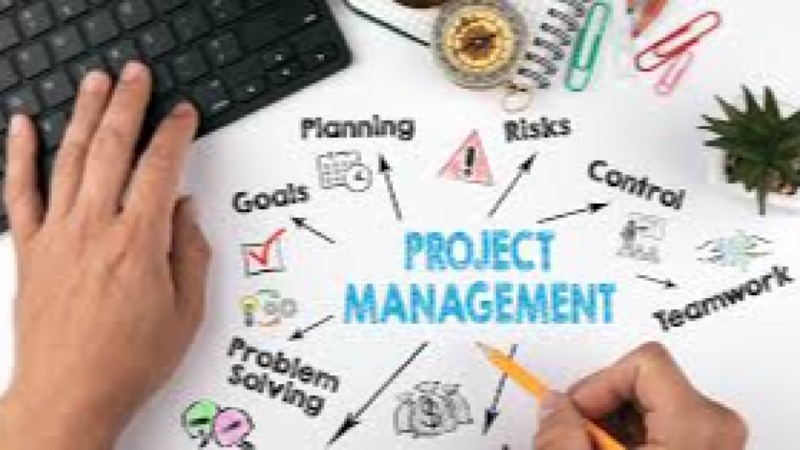
Course Overview
Building a Personal Project Management Learning Path Training Course
Introduction
Building a Personal Project Management Learning Path Training Course is designed to equip professionals with practical project management skills, techniques, and tools to effectively manage projects across industries. This course emphasizes critical project management competencies, including project planning, scheduling, risk management, stakeholder communication, and performance tracking. Participants will gain a comprehensive understanding of both traditional and modern project management methodologies, allowing them to successfully lead projects from initiation to completion. With an emphasis on real-world applications, this course ensures that learners develop the confidence to manage projects of varying complexity while optimizing resources and meeting organizational objectives.
This training course also focuses on personalizing project management strategies for individual growth and career advancement. Through hands-on exercises, interactive case studies, and practical tools, participants will learn how to align project goals with personal and professional aspirations. The curriculum integrates trending concepts such as agile frameworks, digital collaboration tools, and project analytics, providing learners with a competitive advantage in today’s dynamic business environment. By the end of the course, participants will be able to plan, execute, and deliver projects efficiently while fostering leadership, accountability, and continuous improvement skills.
Course Objectives
- Understand the fundamentals of project management and its importance in personal and professional growth.
- Develop skills to create effective project plans, timelines, and resource allocations.
- Apply risk management techniques to anticipate, mitigate, and resolve project challenges.
- Utilize modern project management tools and digital collaboration platforms.
- Master the principles of agile, scrum, and hybrid project management methodologies.
- Improve stakeholder communication and reporting strategies for project success.
- Enhance decision-making and problem-solving skills in complex project scenarios.
- Build competencies in budgeting, cost control, and resource optimization.
- Integrate personal career goals with project management strategies for professional growth.
- Learn to monitor and evaluate project performance using KPIs and analytics.
- Develop leadership and team management skills for high-performing project teams.
- Apply change management techniques to ensure smooth project transitions.
- Implement lessons learned and continuous improvement processes in future projects.
Organizational Benefits
- Increased project success rates through structured planning and execution.
- Improved resource allocation and utilization for efficiency.
- Enhanced team collaboration and communication across departments.
- Stronger alignment between organizational objectives and project goals.
- Reduction in project delays, cost overruns, and operational risks.
- Increased adaptability to changing project environments.
- Enhanced employee leadership and professional development.
- Data-driven decision-making using analytics and project KPIs.
- Improved client satisfaction through timely project delivery.
- Strengthened competitive advantage through skilled project management personnel.
Target Audiences
- Aspiring project managers seeking foundational knowledge.
- Mid-level professionals aiming to enhance project leadership skills.
- Team leads responsible for project coordination and execution.
- Entrepreneurs managing multiple personal or organizational projects.
- HR professionals overseeing project-based initiatives.
- Business analysts involved in planning and project tracking.
- Professionals transitioning to project management roles.
- Students or fresh graduates aspiring to build project management expertise.
Course Duration: 5 days
Course Modules
Module 1: Introduction to Project Management
- Understanding project management fundamentals
- Project life cycle phases
- Key project management terminology
- Real-world project management examples
- Introduction to personal project management planning
- Case study: Launching a personal career project
Module 2: Project Planning and Scheduling
- Creating effective project plans
- Timeline development and milestone tracking
- Resource allocation techniques
- Setting SMART goals for projects
- Prioritizing tasks and dependencies
- Case study: Planning a personal development project
Module 3: Risk Management and Mitigation
- Identifying project risks and uncertainties
- Risk assessment strategies
- Developing risk mitigation plans
- Monitoring and controlling risks during execution
- Learning from past project failures
- Case study: Mitigating risks in a small business project
Module 4: Digital Tools and Collaboration Platforms
- Introduction to project management software
- Team collaboration tools
- Tracking project progress digitally
- Integrating communication platforms with project planning
- Automating routine project management tasks
- Case study: Using digital tools for remote project coordination
Module 5: Agile, Scrum, and Hybrid Methodologies
- Overview of agile project management
- Understanding Scrum framework
- Applying hybrid project approaches
- Comparing traditional vs. modern methodologies
- Selecting the right methodology for personal projects
- Case study: Applying Scrum to a personal initiative
Module 6: Stakeholder Communication and Reporting
- Identifying stakeholders and their needs
- Effective project communication strategies
- Reporting progress and challenges
- Presenting project updates to different audiences
- Conflict resolution in projects
- Case study: Managing stakeholder expectations in a volunteer project
Module 7: Monitoring, Evaluation, and Performance Metrics
- Using KPIs for project performance assessment
- Monitoring progress and adapting plans
- Evaluating project outcomes
- Applying lessons learned for continuous improvement
- Project documentation and reporting
- Case study: Tracking personal learning project outcomes
Module 8: Leadership and Personal Growth in Projects
- Developing leadership skills for project management
- Time management and productivity techniques
- Decision-making strategies in project settings
- Building confidence in project execution
- Aligning personal growth goals with project objectives
- Case study: Leading a personal community initiative
Training Methodology
- Interactive instructor-led sessions
- Hands-on exercises and practical assignments
- Case study analysis and discussion
- Group workshops and peer collaboration
- Real-world project simulations
- Continuous feedback and assessments
Register as a group from 3 participants for a Discount
Send us an email: info@datastatresearch.org or call +254724527104
Certification
Upon successful completion of this training, participants will be issued with a globally- recognized certificate.
Tailor-Made Course
We also offer tailor-made courses based on your needs.
Key Notes
a. The participant must be conversant with English.
b. Upon completion of training the participant will be issued with an Authorized Training Certificate
c. Course duration is flexible and the contents can be modified to fit any number of days.
d. The course fee includes facilitation training materials, 2 coffee breaks, buffet lunch and A Certificate upon successful completion of Training.
e. One-year post-training support Consultation and Coaching provided after the course.
f. Payment should be done at least a week before commence of the training, to DATASTAT CONSULTANCY LTD account, as indicated in the invoice so as to enable us prepare better for you.